
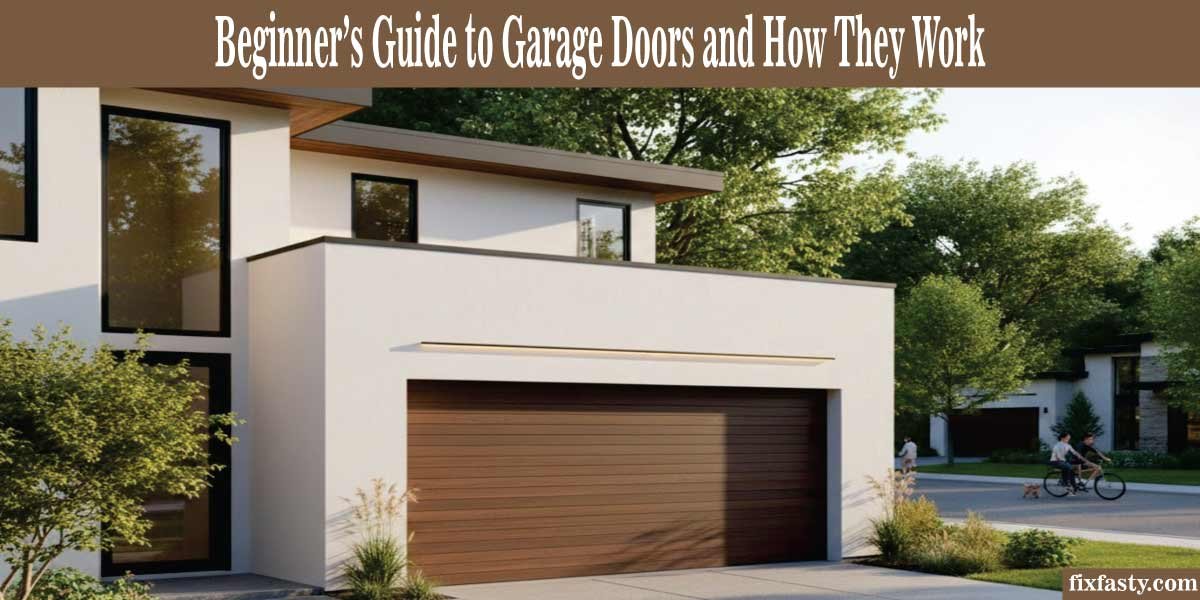
A garage door is considered one of the most vital components of the house, yet the importance and value of the garage door are often overlooked until the need arises.
For the average beginner, the topic of garage doors can be very confuse and overwhelming, given the numerous types, designs, and components involved.
However, once the beginner is familiar with the fundamental ideas and concepts, using and maintain the garage door becomes an easy and stress-free task.
This beginner’s guide to garage doors is designed to provide readers with an explanation of everything they need to know, presented in an easy and simple manner.
The beginner’s guide is ideal for new homeowners, individuals looking to purchase and upgrade their garage doors, and bloggers looking to create content on the topic.
The guide provides readers with the fundamental ideas and concepts, make it easy to make informed decisions regarding garage doors.
What is a garage door?
A garage door is a door that you can open and close by hand or with a machine that does it for you. This lets cars and people go in and out of the garage.
The new kind of garage door has a machine that makes it work. It has round things that move paths for them to follow. A special part that makes it all happen.
A garage door is the thing in the house that moves. So the garage door has to be very strong and work well so that it opens and closes easily.
The garage door is very important for keeping the house safe and looking nice. The garage door does a job, in keeping the house safe and it also makes the house look good.
👉 Complete Garage Door Guide helps beginners understand garage door types, repairs, and maintenance tips. Learn how to fix common issues, choose the right door, and keep it running smoothly. Click to read the full post and discover everything you need for garage door care and safety!
Why Garage Doors Matter More Than You Think
Lots of people who own homes do not understand how important a good garage door is. Its importance goes way beyond what most people think.
For example a good garage door helps make your home safer uses energy makes less noise and gives you more convenience. It also has other benefits. Garage doors are really important for your home. They help keep your family safe. A good garage door also helps you save money on energy bills.
Key Benefits of a Quality Garage Door
Improved home security by prevent the unauthorized access
Enhanced safety with modern sensors and auto-reverse features
Better energy efficiency, especially with insulated doors
Convenience through automatic openers and remote access
Increased curb appeal and property value
A damaged or outdated garage door can lead to higher energy costs and safety risks.
Types of Garage Doors for Beginners
When it comes to garage doors there are types to choose from. To pick an one you need to think about a few things like how much space you have what your budget is and what style you like.
So if you are new to this it is an idea to learn about the different types of garage doors. Each type of garage door has its good points like how it looks how well it works and how easy it is to take care of.
1- Sectional Garage Doors
Sectional garage doors are the kind you see often in homes. They are made up of panels that are connected by hinges. When you want to open one you just lift it up. It slides along a track up to the ceiling.
These doors are great for people who do not have a lot of space in their driveway. They are also good for people who want their garage to be warm in the winter and cool in the summer.
2- Roll-Up Garage Doors
Roll-up doors are often used in stores and other commercial places. People who own homes are starting to like them too. They have a coil above the door that the door rolls up into when you open it.
These doors are very strong. Do not need much work to keep them in good shape. They are perfect for people who want a garage door that will last a time.
3- Tilt-Up Garage Doors
Tilt-up garage doors are made of one piece. When you open them they tilt up and out then slide up into the ceiling of the garage.
They look simple and nice. They need some extra space in front of the garage to work well. This can be a problem if your house is not laid out in a way that allows for that.
4- Side-Hinged Garage Doors
Side-hinged garage doors open like doors. They are easy to use and simple. They are great for garages that you use as a workshop or a place to store things because you can get in and out without having to open the door.
They are strong work and are easy to use. Garage doors like these are a choice, for people who want something that is easy and functional.
👉 Garage Door Types explained for beginners! Learn how to choose the best garage door for your home, compare sectional, roll-up, and custom doors, and understand features, materials, and costs. Read the full post to make the right choice and keep your garage safe and stylish!
Garage Door Materials Explained
Garage door materials are important and can affect the overall look of the garage door, its durability, and the level of maintenance required. Different materials are more or less suitable depended on the intended use and the level of durability required.
Garage Door Material Comparison
| Material | Benefits | Drawbacks | Best For |
|---|---|---|---|
| Steel | Strong, affordable, low maintenance | Can dent or rust | Most homes |
| Wood | Natural, classic look | High maintenance, expensive | Traditional homes |
| Aluminum | Lightweight, rust-resistant | Dents easily | Modern designs |
| Fiberglass | Moisture-resistant | Can crack in cold climates | Coastal areas |
| Vinyl | Durable, quiet, low upkeep | Limited style options | Family homes |
Insulated vs. Non-Insulated Garage Doors
Insulation is a significant factor to consider when choosing a garage door, especially one which is attached to the house. An insulated garage door can maintain the temperature inside the garage and therefore the house while at the same time reducing the level of noise and protecting the contents of the garage from extreme temperatures.
1- Insulated Garage Doors
Insulated garage doors are specifically designed to maintain a consistent temperature inside the garage while at the same time reducing the level of noise and increase the efficiency of the garage door as a whole. They are suitable for use in extreme climatic conditions and are therefore suitable for use as a workshop or workspace.
2- Non-Insulated Garage Doors
A non-insulated garage door is usually less expensive and easier to install, making it an ideal solution for garages that are detached from the main house or where the temperature is not an issue. Although they are not as energy-efficient as insulated doors, they are still an ideal solution for garages that are not exposed to extreme weather conditions.
Standard Garage Door Sizes
Understand the garage door sizes helps avoid costly mistakes.
Single-car garage doors: 8–9 feet wide
Double-car garage doors: 16 feet wide
Standard heights: 7 or 8 feet
Custom sizes are also available for unique garage openings.
Safety Features in Modern Garage Doors
Safety is paramount when selecting or using garage doors. Modern garage doors have features that provide safety to individuals, pets, and properties. These provide peace of mind on a daily basis.
1- Auto-Reverse Sensors:
Auto-reverse sensors monitor the area at the base of the garage door when it is closing. If they detect an object, pet, or individual, they immediately stop the door and reverse it. This greatly reduces the risk of damage to property, harm to individuals, and loss of life.
2- Manual Release Systems:
A manual release system disconnects the garage door from the garage door opener. This is perfect in cases when the power goes out. With this feature, homeowners are never locked out of or into the garage.
3- Rolling Code Technology:
Rolling code technology is used to provide an added level of security. Every time the garage door opener is used, it creates a new access code. This ensures that no one will be able to hack into the signal and gain unauthorized access.
4- Overall Protection:
Collectively, these safety and security features enable a reliable garage door system, providing protection to individuals, vehicles, and properties. This gives homeowners a sense of security and comfort, knowing that everything functions smoothly, securely, and reliably around the clock.
Basic Garage Door Maintenance Tips
Regular maintenance ensures your garage door operates smoothly, safely, and lasts for many years.
Simple Maintenance Checklist
Lubricate moving parts twice a year: Apply grease or oil to rollers, hinges, and tracks to reduce friction and wear.
Inspect springs and cables for damage: Look for fraying, rust, or gaps to prevent sudden failures.
Test safety sensors monthly: Ensure auto-reverse sensors detect obstacles and stop the door as intended.
Clean tracks and remove debris: Wipe tracks free of dirt and objects that can block smooth movement.
Tighten loose hardware: Check bolts, screws, and brackets regularly to keep the door secure and aligned.
Consistent maintenance prevents unexpected breakdowns and ensures your garage door remains safe, reliable, and quiet for everyday use.
👉 Garage Door Parts Guide covers all essential components, from springs, rollers, and cables to openers and sensors. Understand how each part works, common issues, and maintenance tips. Read the full post to master garage door systems and keep your door safe, smooth, and long-lasting!
Common Garage Door Problems
Garage doors, like other moving parts, are subjected to wear and tear, especially considering how often they are used and how harsh weather conditions are. For a newbie, problems often arise, and they tend to occur gradually over time. Learning how to identify problems helps prevent unexpected failures, ensuring your garage doors operate safely, reliably, and quietly for years to come.
1- Noisy or jerky movement:
Loud squeaks, grinding, and uneven movements are common problems, and they often indicate rollers, hinges, and tracks are worn out and in dire need of maintenance. Ignoring such problems may result in premature wear and tear, leading to unexpected failures and costly repairs if neglected for a long time.
2- Door opening or closing slowly:
If the door is opening or closing slowly, this may be a problem with old door springs, loose bolts, or increased friction. The door may be opening or closing slowly, and this may affect the lifespan of the door opener and the door itself.
3- Door not responding to remote controls:
If the door does not respond to the remote, this may be a problem with dead batteries, blocked or dirty safety sensors, or lost programming. Sometimes, this problem may be simple, and checking the door may solve the problem.
4- Broken springs or worn cables:
The door spring and cables are responsible for hold the door, and this is a very important part that may affect the door and its functionality. The door may become unsafe or impossible to lift if the spring or cable is broken.
By dealing with these minor issues, you are ensure that your door is safe, smooth, and functional, while at the same time avoiding future costly repairs.
Repair or Replace: How to Decide
In some instances, the garage door may require repair, especially if the problem is minor, such as a loose door or a broken roller. In instances where the door is severely damaged, the door may require replacement, and this is the best option, especially if the door is old.
Garage Door Repair vs. Replacement Guide
| Issue | Repair | Replace |
|---|---|---|
| Minor noise problems | ✅ | ❌ |
| Broken spring | ✅ | ❌ |
| Small dents | ✅ | ❌ |
| Severe structural damage | ❌ | ✅ |
| Poor insulation | ❌ | ✅ |
| Door older than 20 years | ❌ | ✅ |
Garage Door Costs: What to Expect
The cost of a garage door varies depending on the size, material, and features. The cost may also vary depending on the quality of the door and its installation.
1- Basic garage doors:
Basic garage doors are priced between $500 and $1,000 and are suitable for standard garage sizes. This type of garage door provides a simple design with few additional features and is suitable for homeowners who value simplicity and functionality.
2- Insulated or custom doors:
Insulated or custom garage doors are priced between $1,200 and $3,500 and are suitable for homeowners who value energy efficiency, quiet operation, and durability. They are also suitable for homeowners who value style and would like a garage door with a design that matches the style of the house.
3- Garage door openers:
Garage door openers are priced between $300 and $600 and are suitable for standard garage doors. Smart garage door openers with additional features like Wi-Fi connectivity and backup batteries are more expensive and are suitable for homeowners who value the additional functionality of these devices.
How to Choose the Right Garage Door
Choosing the right garage door is more than just choosing a garage door you like the look of. You should consider various factors that influence the functionality and longevity of the garage door. Choosing the right garage door can greatly improve the look of the house while providing the functionality you need.
When choosing a garage door, think about:
Final Thoughts
The garage door is an important feature for any home, and this is because it plays a significant role in ensuring that your home is secure, comfortable, and beautiful.
As a beginner, understand the basics, including the different types, materials, and insulations, as well as the safety features and maintenance requirements, is important and goes a long way in simplifying the process and making the right choice for a garage door.
The beginner’s guide to garage doors is one that offers all the necessary information that is required to make the right and confident choice.
It offers a detailed guide on everything that is required to know, including choosing the right garage door, maintaining its functionality, and ensuring that it is safe to use.
The right garage door is one that is a mix of functionality, durability, and aesthetics, and one that offers a safe, beautiful, and efficient entryway into your home.

Engineer Ali Hasan is a garage door expert and the founder of FixFasty. With over 16 years of experience in mechanical systems and home maintenance, he provides practical, step-by-step guides on garage door installation, repairs, and maintenance, helping homeowners keep their garage doors safe, reliable, and long-lasting.