
Your garage door is one of the largest moving parts in your home, yet it’s often taken for granted until something goes wrong. A well maintained garage door does not just look better it operates more smoothly, lasts longer, and most importantly, keeps your family safe.
Whether you are a new homeowner or someone who has never paid much attention to garage door maintenance, this beginners guide will walk you through everything you need to know about basic garage door care and essential safety checks. No advanced tools or technical expertise required just a little time, awareness, and consistency.
Why Garage Door Care and Safety Matter
Garage doors open and close thousands of times over their lifespan. With frequent use, components like springs, cables, rollers, and tracks experience constant stress and wear. Without proper care, minor issues can quickly turn into costly repairs or dangerous failures.
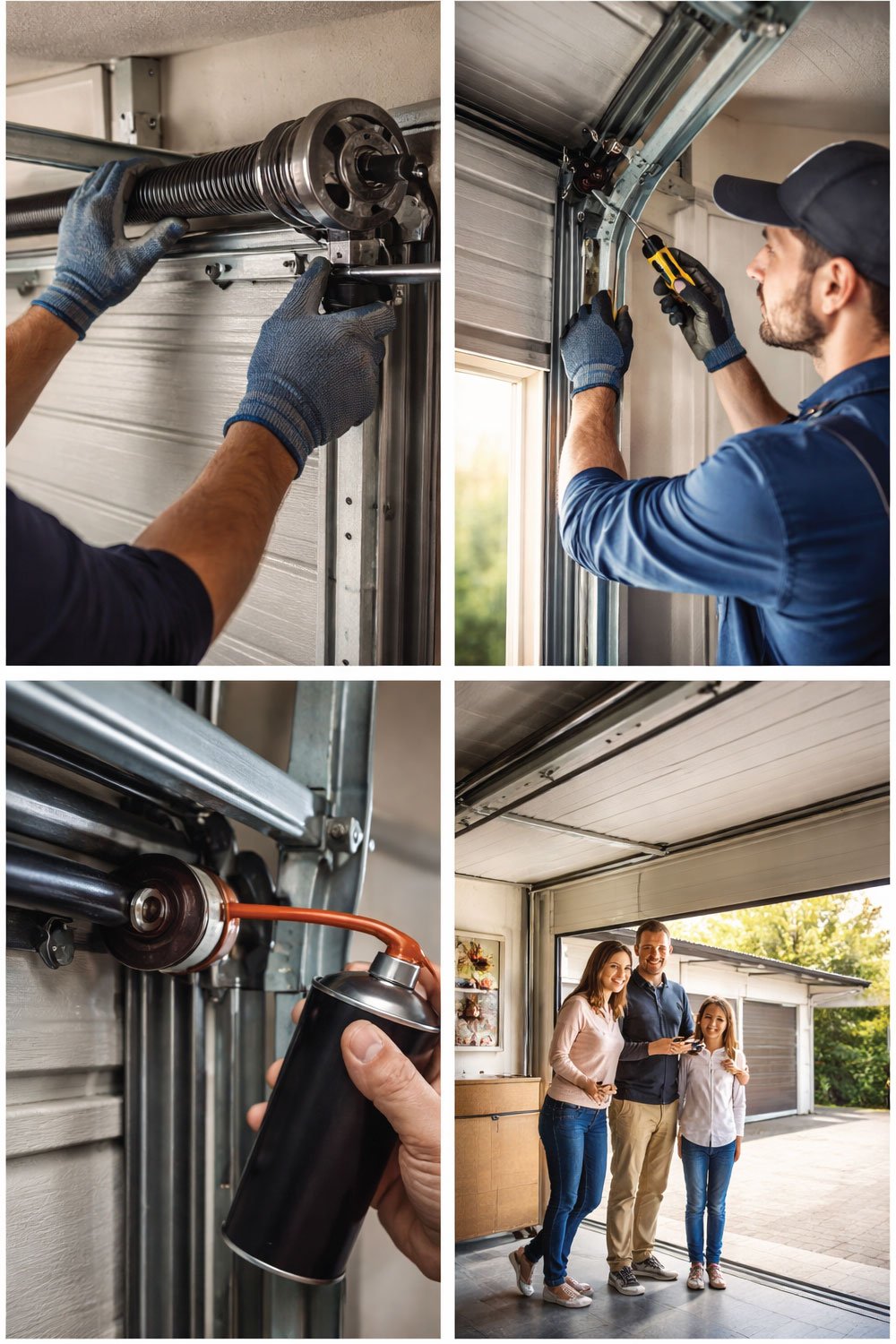
Here why routine garage door maintenance is essential:
Safety: Broken springs or faulty sensors can cause serious injuries.
Reliability: Regular checks reduce the chance of sudden breakdowns.
Longevity: Maintenance extends the life of your garage door system.
Cost savings: Preventive care is far cheaper than emergency repairs.
Noise reduction: A well-maintained door operates quietly and smoothly.
Understanding the Main Parts of a Garage Door System
Before performing care or safety checks, it is important to understand the basic components of your garage door system, as this knowledge helps you identify issues early, improve safety, and ensure proper maintenance of each part.
Door panels: The visible sections that move up and down.
Springs (torsion or extension): Counterbalance the weight of the door.
Cables: Work with the springs to lift and lower the door safely.
Rollers: Help the door glide smoothly along the tracks.
Tracks: Metal rails that guide the door’s movement.
Hinges: Connect the door panels together.
Garage door opener: The motorized unit that automates opening and closing.
Safety sensors: Prevent the door from closing on people or objects.
Knowing what these parts do makes it easier to spot problems early.
How Often Should You Maintain Your Garage Door?
A simple maintenance schedule keeps your garage door system manageable and reliable by ensuring regular inspections, timely lubrication, and periodic professional servicing, which together help prevent unexpected breakdowns and extend the overall lifespan of the system.
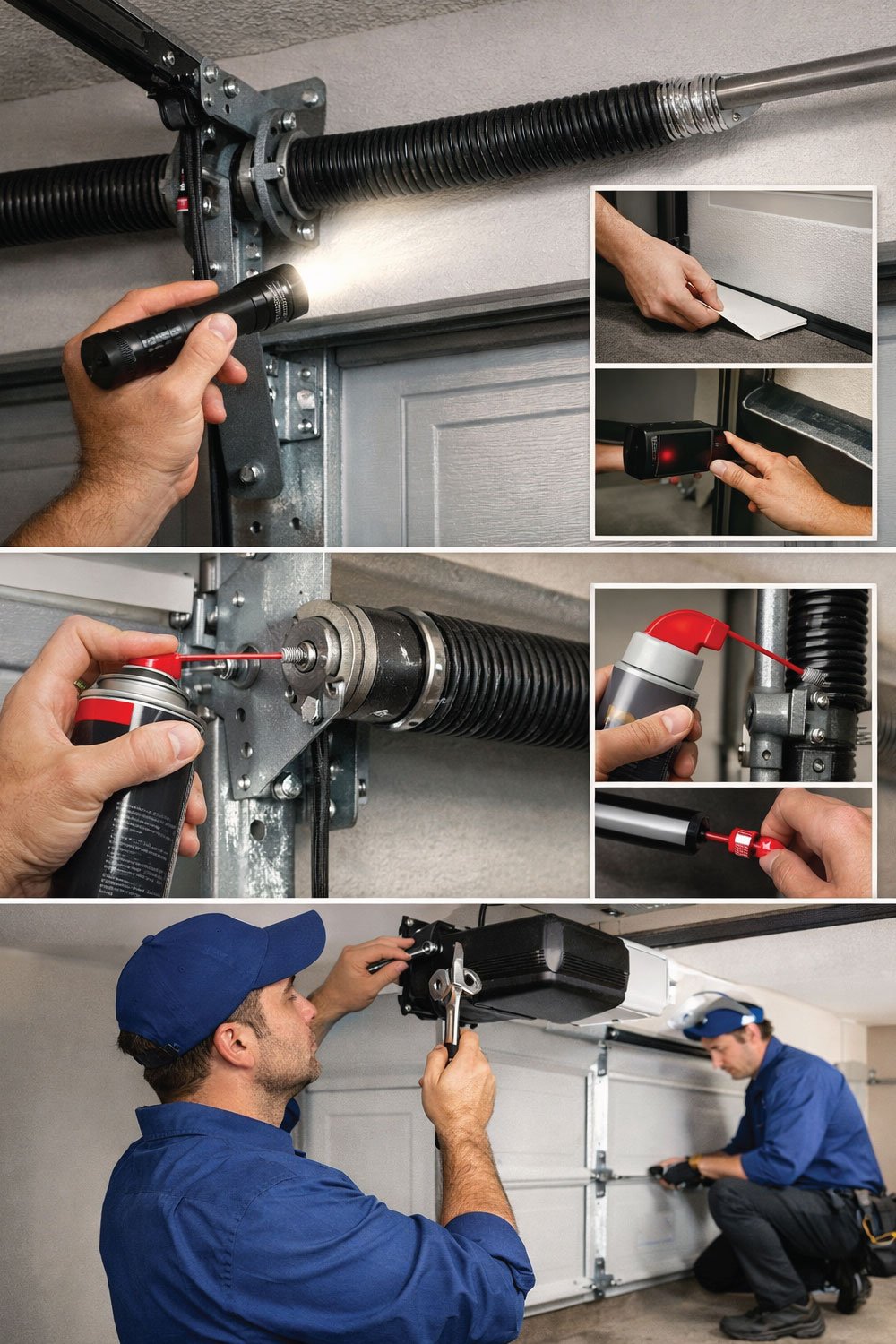
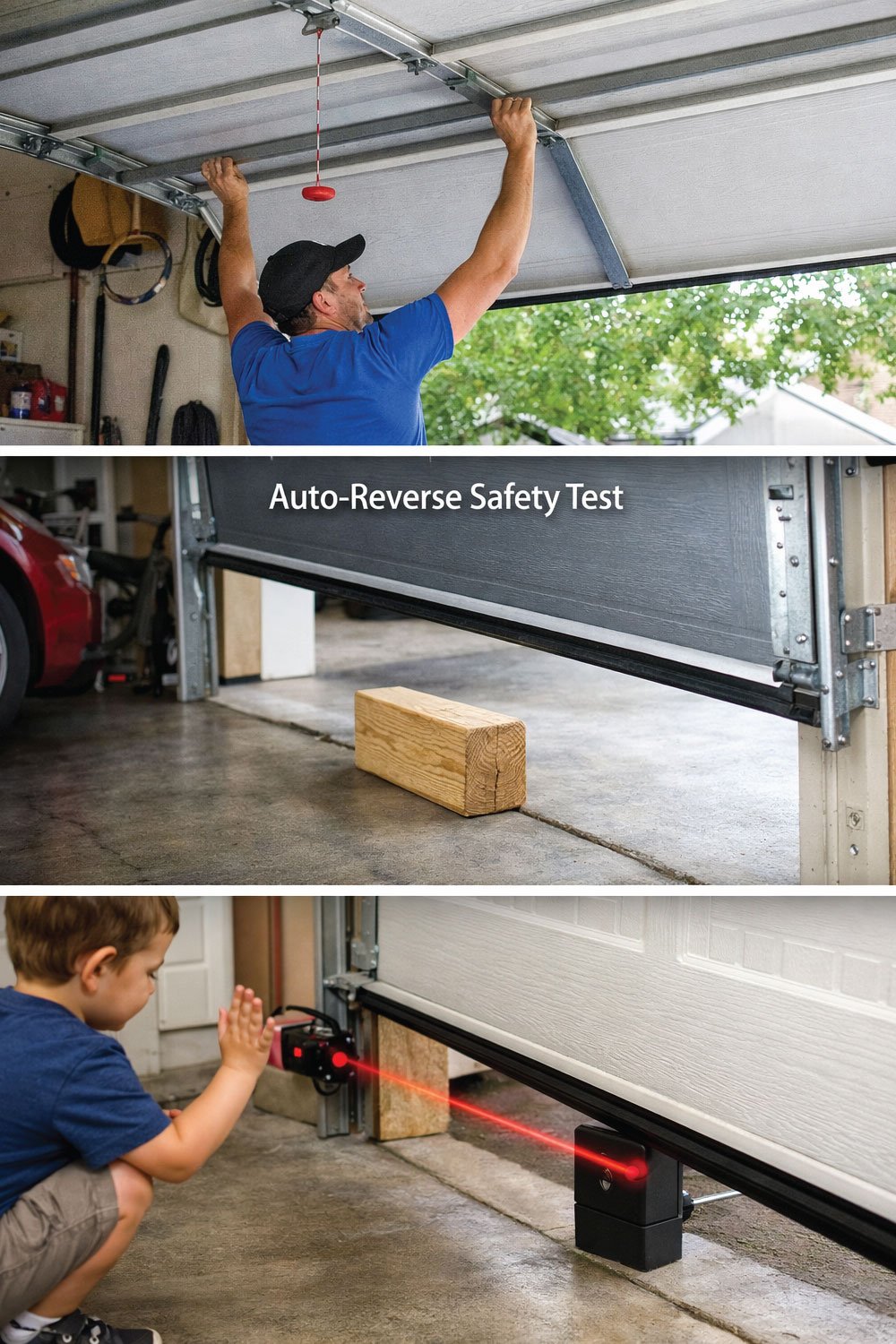
Monthly: Visual inspection and basic safety tests
Every 3–6 months: Lubrication of moving parts
Annually: More detailed inspection or professional tune-up
Spending just 15–20 minutes a month can make a significant difference.
Lubricating Moving Parts (Every 3–6 Months)
Regular lubrication is essential for keeping your garage door operating smoothly, quietly, and efficiently. It reduces friction between moving parts, helps prevent wear and tear, and extends the overall lifespan of the system when done consistently every few months.
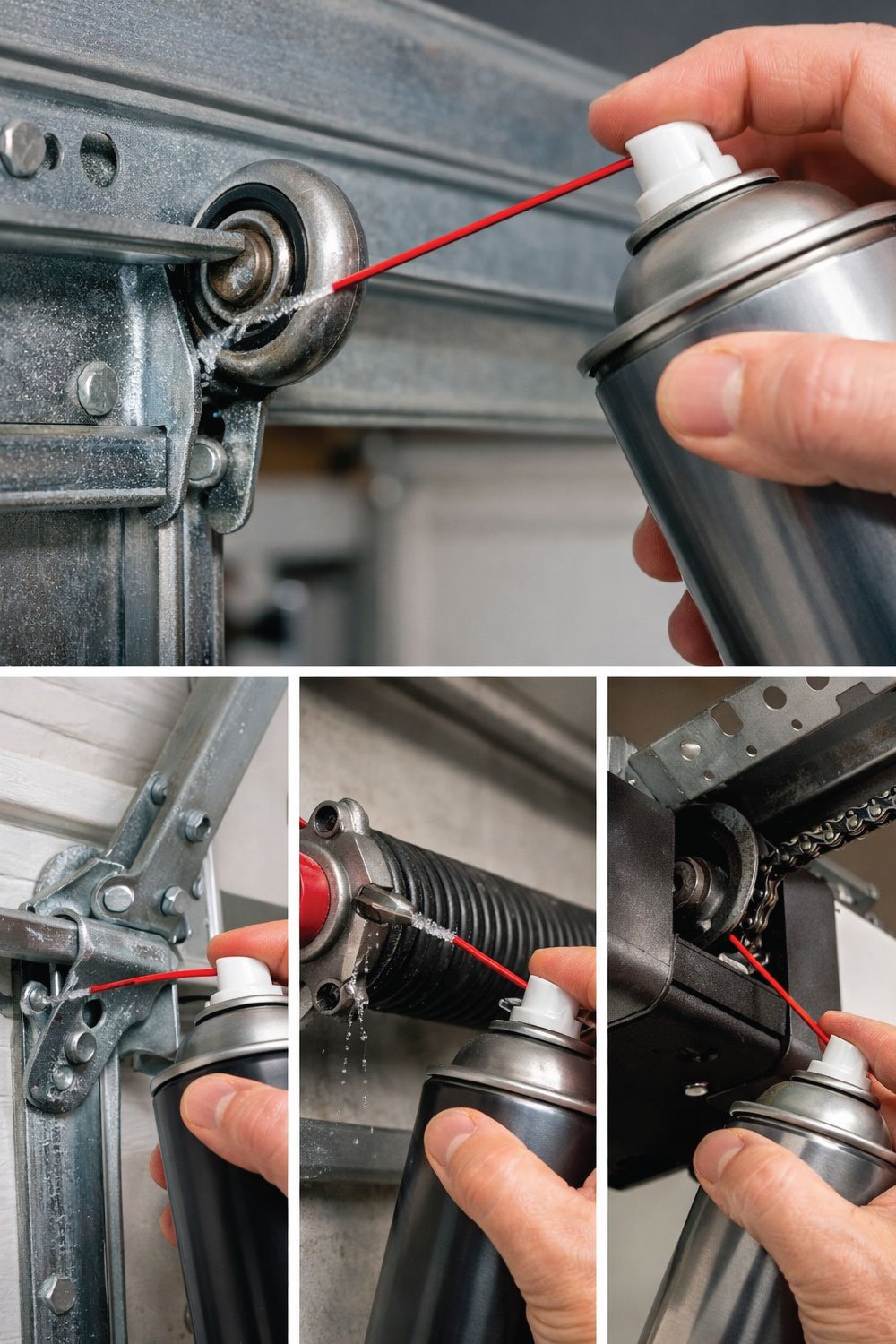
What You will Need
Garage door specific lubricant or silicone-based spray
Clean cloth or rag
Parts to Lubricate
Rollers (metal rollers only, not nylon wheels)
Hinges
Springs
Bearings
Opener chain or screw (if applicable)
What Not to Lubricate
Tracks (clean them instead)
Nylon roller wheels
Apply lubricant sparingly and wipe away excess to avoid attracting dirt.
Cleaning and Caring for Your Garage Door
Regular cleaning and basic care help maintain your garage door’s appearance, prevent damage, and extend its lifespan. Dirt, moisture, and weather exposure can gradually affect both function and finish, so routine upkeep is important for long-term durability.
Cleaning the Door Surface
Keeping the door surface clean improves both appearance and performance over time. Dust, grime, and pollution buildup can slowly damage the finish if left untreated, especially in areas with changing weather conditions. Regular washing also helps you spot early signs of wear or damage.
Wash the door with mild soap and water.
Rinse thoroughly and dry.
Avoid harsh chemicals that can damage finishes.
Wooden Door Care
Wooden garage doors require extra attention because they are more sensitive to moisture and temperature changes. Without proper care, wood can crack, warp, or absorb water, leading to long-term structural damage. Regular inspection helps maintain both strength and appearance.
Check for peeling paint or cracks. Repaint or reseal as needed to prevent moisture damage.
Metal Door Care
Metal doors are generally durable, but they can still develop rust over time if not properly maintained. Early treatment of rust spots is important because it prevents corrosion from spreading and weakening the structure of the door. Watch for rust spots. Sand lightly and repaint to prevent spreading.
Garage Door Opener Care Tips
The garage door opener is the motorized system that powers the entire operation, so keeping it in good condition is just as important as maintaining the door itself. Regular checks help ensure smooth, reliable, and quiet performance.
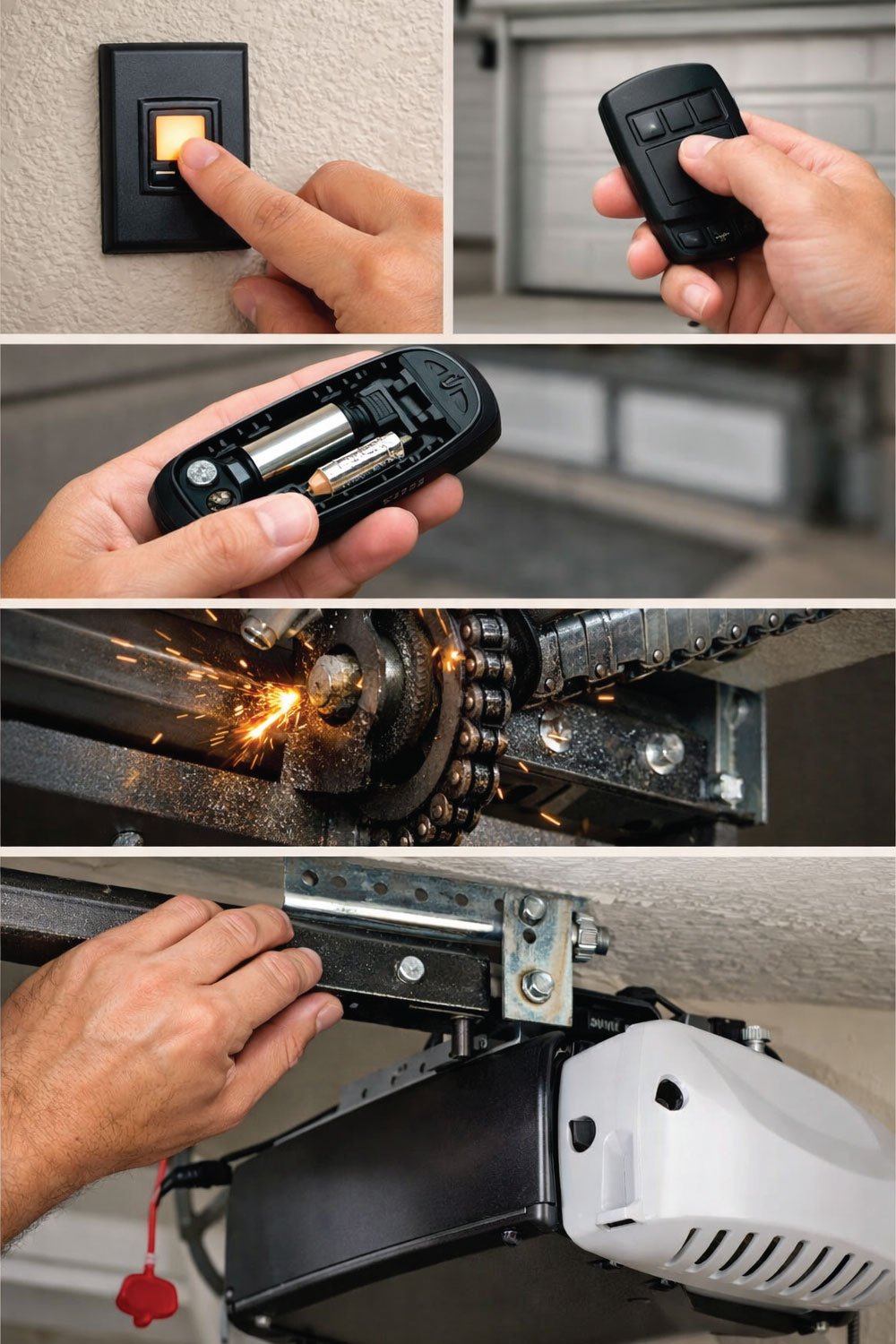
Test the wall switch and remote controls.
Replace remote batteries annually.
Listen for unusual noises such as grinding or rattling.
Check that mounting brackets are secure.
If the opener struggles or hesitates, it may be a sign of poor door balance or mechanical wear.
📖 Continue Reading: Expert Garage Door Advice ➜ Garage Door Won’t Open Fully? Here’s Why
Warning Signs You Should Never Ignore
Some garage door problems are serious safety risks and should not be delayed or handled without professional help. These warning signs often indicate mechanical failure or high-tension component issues that can quickly become dangerous if ignored.
Call a professional if you notice any of the following:
Loud banging or snapping sounds
Door slams shut or won’t stay open
Crooked or uneven door movement
Frayed cables or broken springs
Opener strains or stops mid-operation
Trying to fix these issues yourself can be dangerous.
Common Garage Door Safety Mistakes to Avoid
Many garage door accidents happen due to small but repeated safety mistakes. Avoiding these habits can significantly reduce the risk of injury, equipment damage, or sudden system failure, especially in busy households.
Ignoring small noises or jerky movement
Letting children play with remotes or wall controls
Standing under a moving door
Attempting spring or cable repairs DIY
Skipping routine inspections
Awareness is one of the simplest ways to prevent accidents.
When to Call a Professional Technician
While basic cleaning and maintenance can be safely handled by homeowners certain garage door problems require specialized tools and training. Professional technicians are equipped to safely manage high-tension systems and complex mechanical repairs.
Spring replacement or adjustment
Cable repair
Track realignment
Opener motor repairs
Major structural door damage
An annual professional tune-up can identify hidden issues early and keep your system operating safely, efficiently, and reliably throughout the year.
Final Thoughts:
Garage door care doesn’t have to be complicated or time-consuming. With regular visual inspections, simple safety tests, and basic lubrication, you can significantly improve the performance, safety, and lifespan of your garage door.
Think of it like maintaining a car small, routine actions prevent major problems down the road. By following this beginner’s guide, you’ll not only protect your investment but also ensure peace of mind every time your garage door opens and closes.
📖 Continue Reading: Expert Garage Door Advice ➜ Garage Door Slow Opening? Step-by-Step Explained

Engineer Ali Hasan is a garage door expert and the founder of FixFasty. With over 16 years of experience in mechanical systems and home maintenance, he provides practical, step-by-step guides on garage door installation, repairs, and maintenance, helping homeowners keep their garage doors safe, reliable, and long-lasting.