
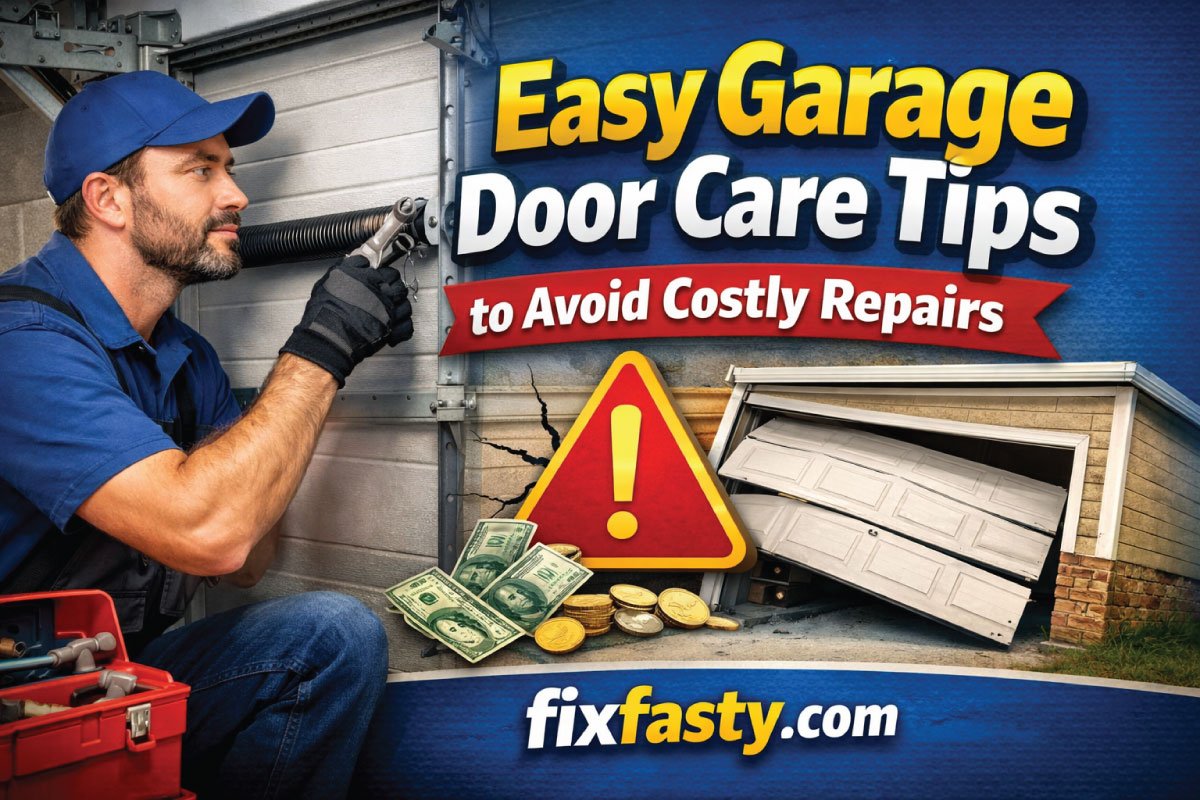
Your garage door is one of the hardest-working parts of your home, yet it’s often overlooked when it comes to routine maintenance. Whether you use it as your primary entrance or just for parking, a garage door goes through hundreds if not thousands of cycles every year. Without proper care, small issues can quickly turn into expensive repairs or even complete system failures.
The good news is that keeping your garage door in great shape doesn’t require expert-level skills or expensive tools. With a little attention and consistency, you can extend its lifespan, improve safety, and avoid unexpected repair bills. Here’s a comprehensive guide to easy garage door care tips that will help you stay ahead of problems.
1. Perform Regular Visual Inspections
One of the simplest yet most effective ways to maintain your garage door is by doing regular visual checks. Look at all the moving parts, including springs, cables, rollers, and tracks. Check for signs of wear and tear such as fraying cables, rust, dents, or loose hardware.
Listen carefully when the door operates. Strange noises like grinding, squeaking, or rattling often indicate underlying issues. Catching these early can prevent bigger, more expensive problems later.
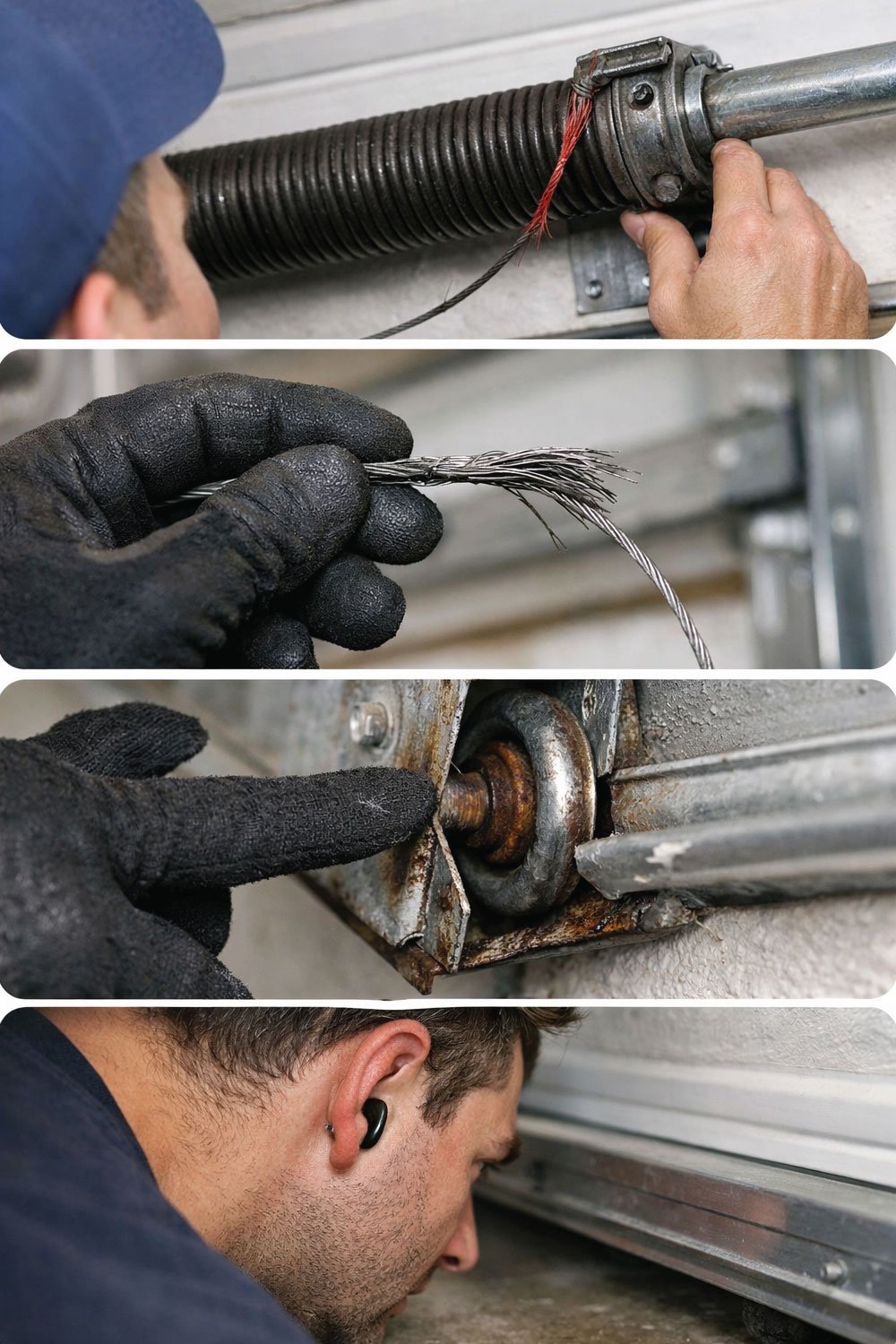
Aim to inspect your garage door at least once a month. It only takes a few minutes but can save you hundreds in repairs.
2. Keep Moving Parts Lubricated
Friction is one of the most common reasons garage doors start wearing out or operating noisily. Regular lubrication helps reduce resistance between moving metal parts, ensuring the system runs smoothly, quietly, and with less stress on components over time.
Hinges
Rollers
Springs
Tracks (lightly, not excessively)
Avoid over-lubricating, as this can attract dust and debris. A light application every few months is usually enough.
3. Tighten Loose Hardware
Garage door hardware is constantly exposed to movement and vibration during daily use, which gradually loosens essential fasteners. Periodically tightening hardware helps maintain structural stability, prevents misalignment, and ensures safe, reliable, and efficient operation of the entire door system.
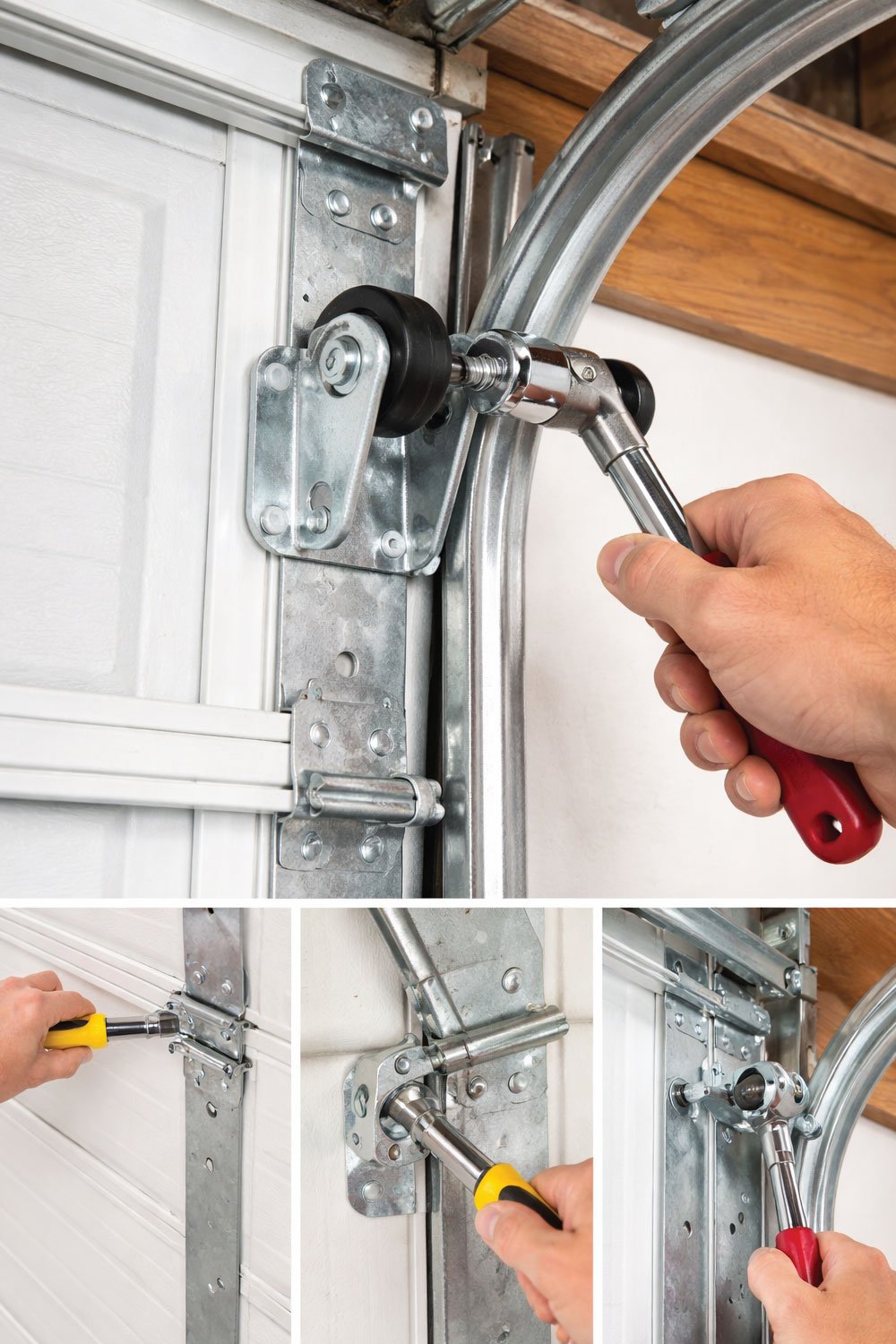
Roller brackets
Hinges
Track supports
Be careful not to overtighten, as that can damage components. A quick check every few months helps maintain stability and alignment.
4. Test the Door Balance
A properly balanced garage door is essential for smooth operation and long-term durability. When balance is off, the opener experiences extra strain, leading to faster wear and potential breakdowns, making periodic balance testing an important part of maintenance.
Disconnect the opener (usually via the emergency release cord).
Manually lift the door halfway.
Let go carefully.
If the door stays in place, it’s balanced. If it moves up or down, the springs may need adjustment.
Important:
Spring adjustments can be dangerous. If you suspect an issue, it’s best to call a professional.
5. Clean and Align the Tracks
Garage door tracks guide the movement of the entire system, so even minor dirt buildup or alignment issues can cause operational problems. Regular cleaning and inspection help ensure smooth travel and prevent unnecessary strain on the door mechanism.
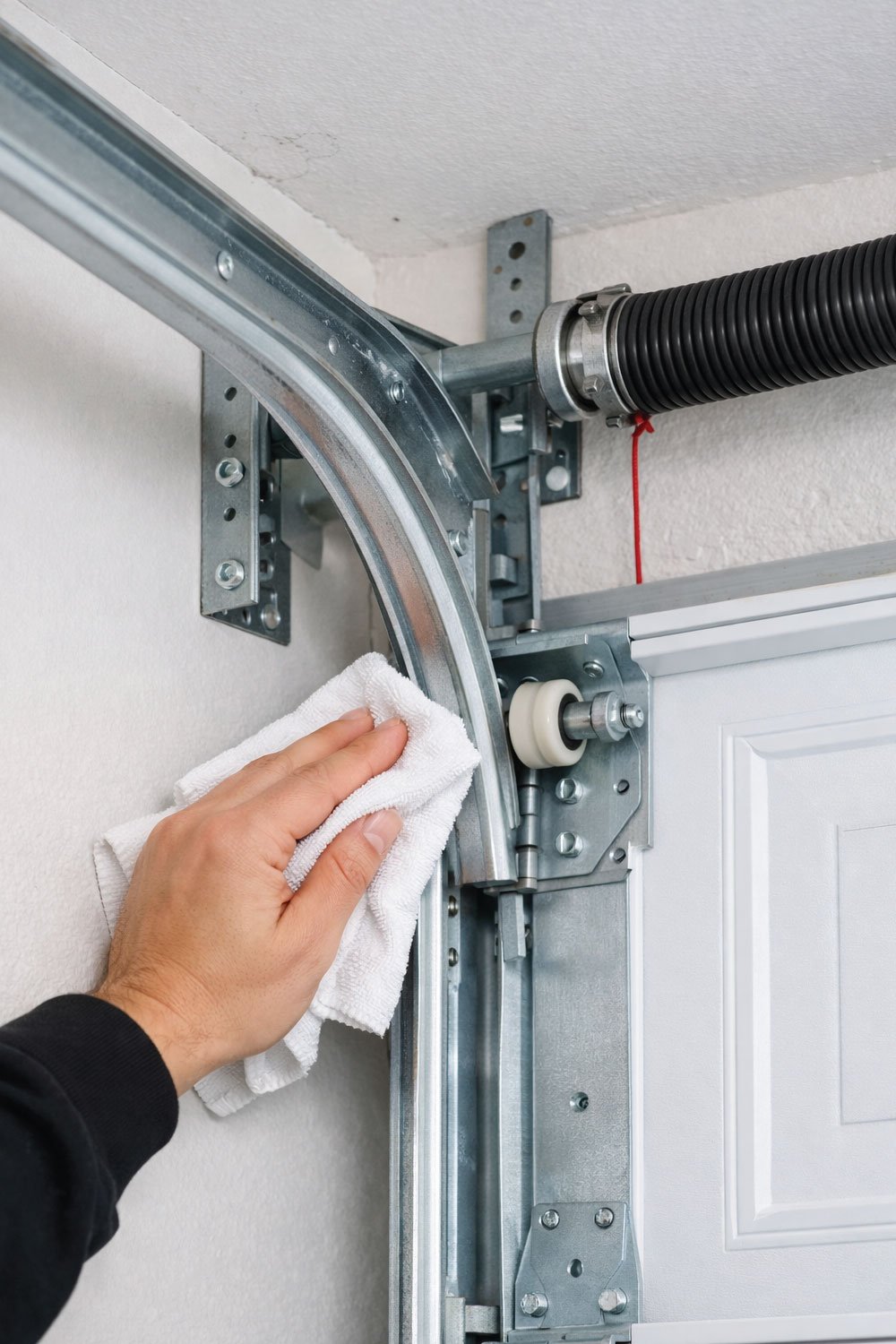
Wipe them clean with a damp cloth
Remove any buildup or obstructions
Check for bends or warping
If you notice significant misalignment, avoid forcing the door and seek professional help.
📖 Continue Reading: Expert Garage Door Advice ➜ Choosing the Right Garage Door for Your Home
6. Inspect and Replace Weather Stripping
Weather stripping plays a key role in sealing your garage door against outside elements such as dust, rain, insects, and temperature changes. With time, exposure to heat and moisture can cause it to lose flexibility, crack, or stop sealing properly, reducing its effectiveness.
Check for:
Gaps under the door
Visible cracks or tears
Hardened rubber
Replacing worn weather stripping is inexpensive and improves both insulation and cleanliness in your garage.
7. Test Safety Features
Modern garage doors include essential safety systems designed to prevent accidents and protect people and property. These features should be tested regularly to confirm they respond correctly and stop or reverse the door when needed, ensuring safe daily operation.
Auto-Reverse Function
Place a small object (like a piece of wood) under the door. When the door touches it, it should reverse immediately.
Photo-Eye Sensors
These sensors are located near the bottom of the door tracks. Wave an object in front of them while the door is closing. The door should stop and reverse.
If either feature doesn’t work properly, address the issue immediately it is critical for safety.
8. Keep the Door Clean
Keeping your garage door clean is not just about appearance; it also helps prevent long-term damage caused by dirt, grime, and environmental buildup. Regular cleaning protects the surface material and reduces the risk of corrosion, fading, or structural wear over time.
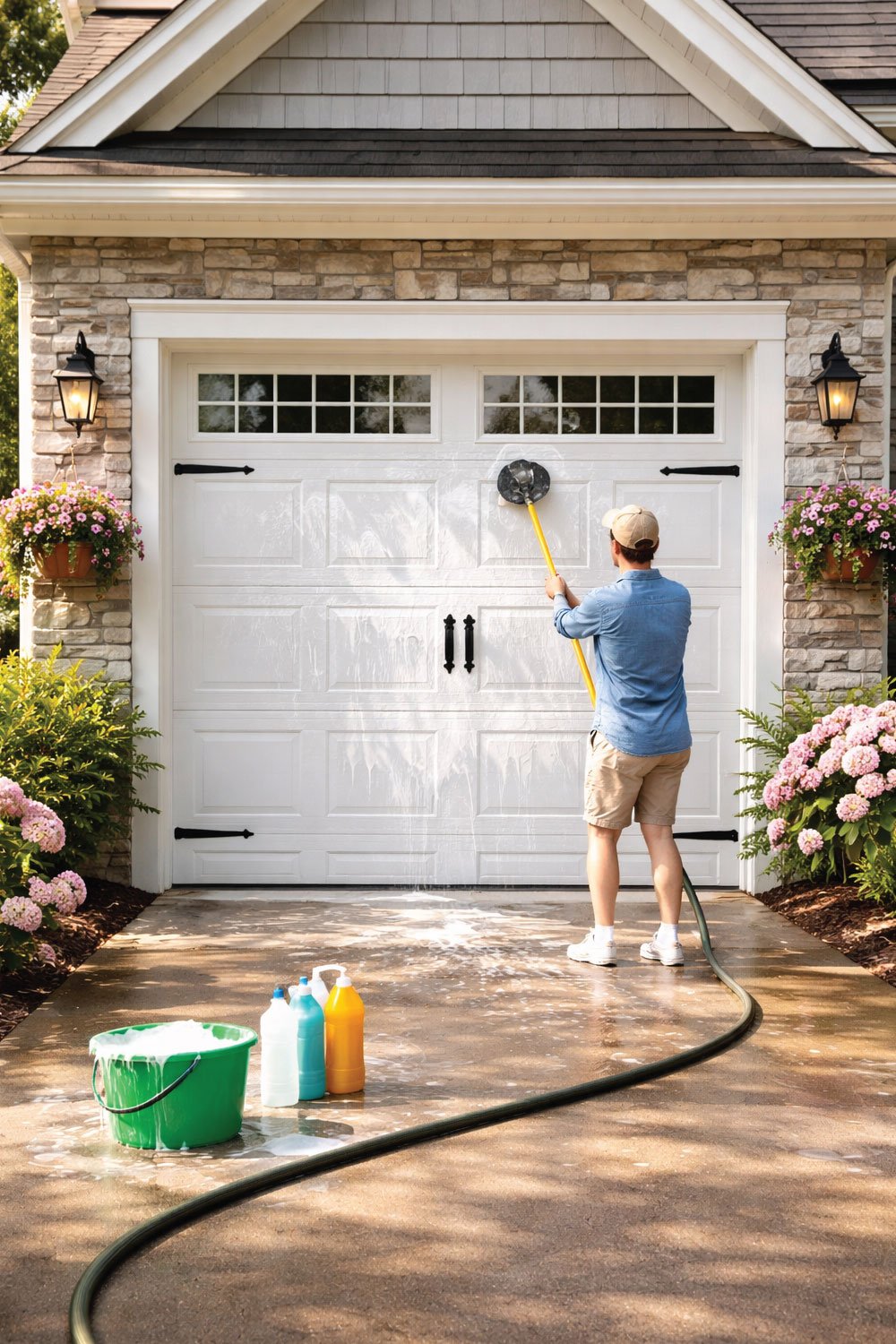
For cleaning:
Use mild soap and water
Avoid harsh chemicals
Rinse thoroughly
If you have a wooden door, consider repainting or sealing it periodically to protect it from moisture and sun damage.
📖 Continue Reading: Expert Garage Door Advice ➜ Garage Door Installation Tips for DIY Beginners
9. Check the Rollers
Rollers are responsible for guiding the garage door smoothly along its tracks, making them a vital part of its operation. When rollers wear out or become damaged, they can cause jerky movement, increased noise, and unnecessary strain on the entire system.
Inspect rollers for:
Cracks
Chips
Excessive wear
Steel rollers may need lubrication, while nylon rollers should be replaced if damaged. Typically, rollers should be replaced every 5–7 years depending on usage.
10. Do not Ignore Small Issues
Small garage door issues often seem harmless at first but can quickly develop into serious mechanical problems if ignored. Early signs like unusual noise, slight delays, or uneven movement should always be taken seriously and checked promptly.
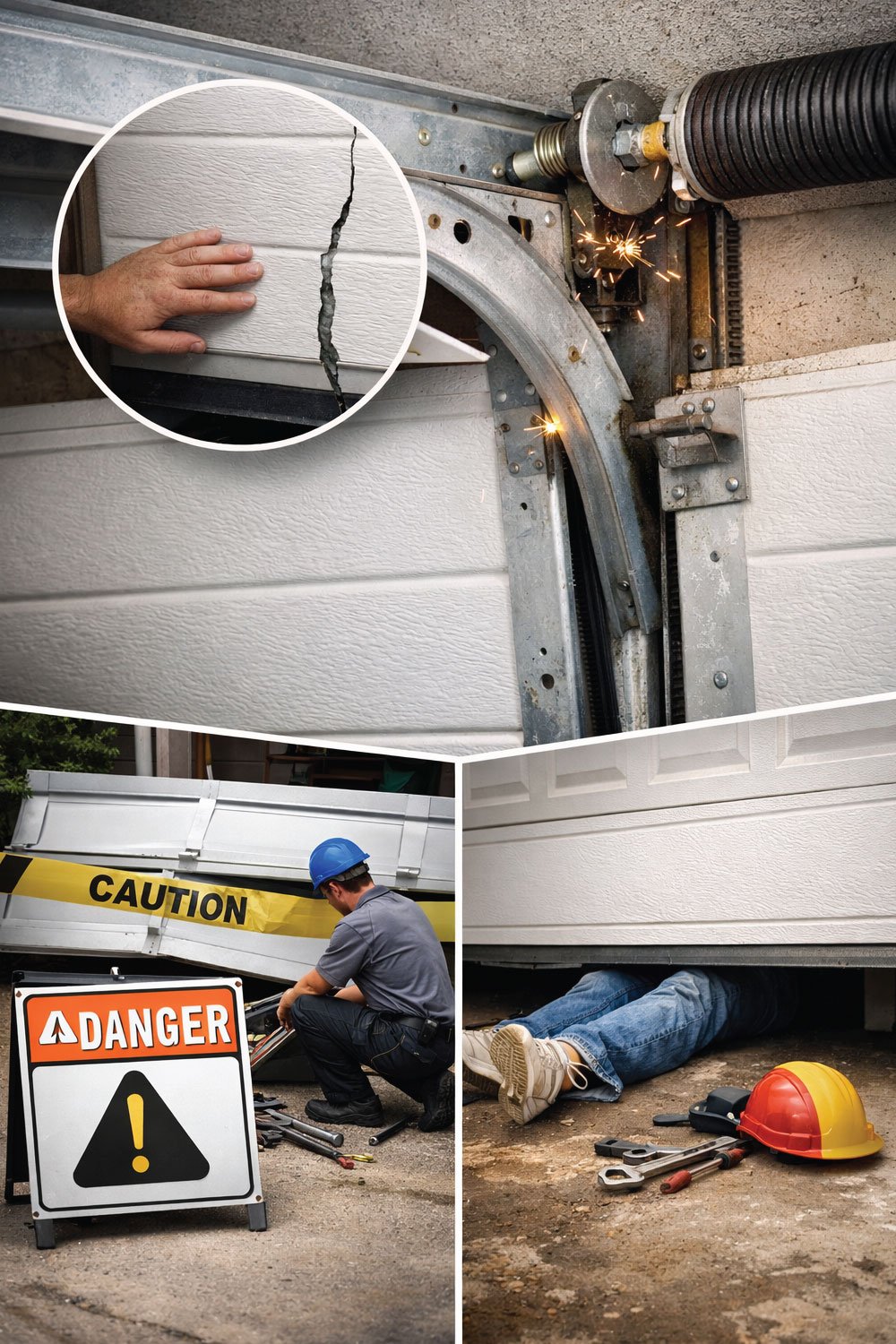
Address problems early to avoid:
Costly emergency repairs
Complete system failure
Safety hazards
When in doubt, it is better to investigate sooner rather than later.
11. Maintain the Garage Door Opener
The garage door opener is the central motorized component that controls the entire system’s movement, so keeping it well-maintained is essential for smooth and reliable operation. Regular attention helps prevent sudden breakdowns, reduces strain on parts, and ensures consistent performance over time.
Basic maintenance includes:
Checking the motor for unusual noises
Replacing remote batteries
Ensuring the chain or belt is properly tensioned
Refer to your opener’s manual for specific care instructions.
12. Schedule Professional Maintenance
While regular DIY maintenance is important, professional servicing adds an extra layer of safety and reliability. A trained technician can identify hidden issues, perform precise adjustments, and safely handle high-tension components that are risky for untrained individuals.
Professional maintenance often includes:
Full system inspection
Spring tension adjustment
Safety checks
Lubrication of key components
This small investment can prevent major expenses down the line.
13. Be Mindful of Usage Habits
Daily usage habits directly affect how long your garage door system lasts and how smoothly it operates. Rough handling or excessive cycling can accelerate wear and lead to avoidable repairs, so mindful operation plays an important role in long-term performance.
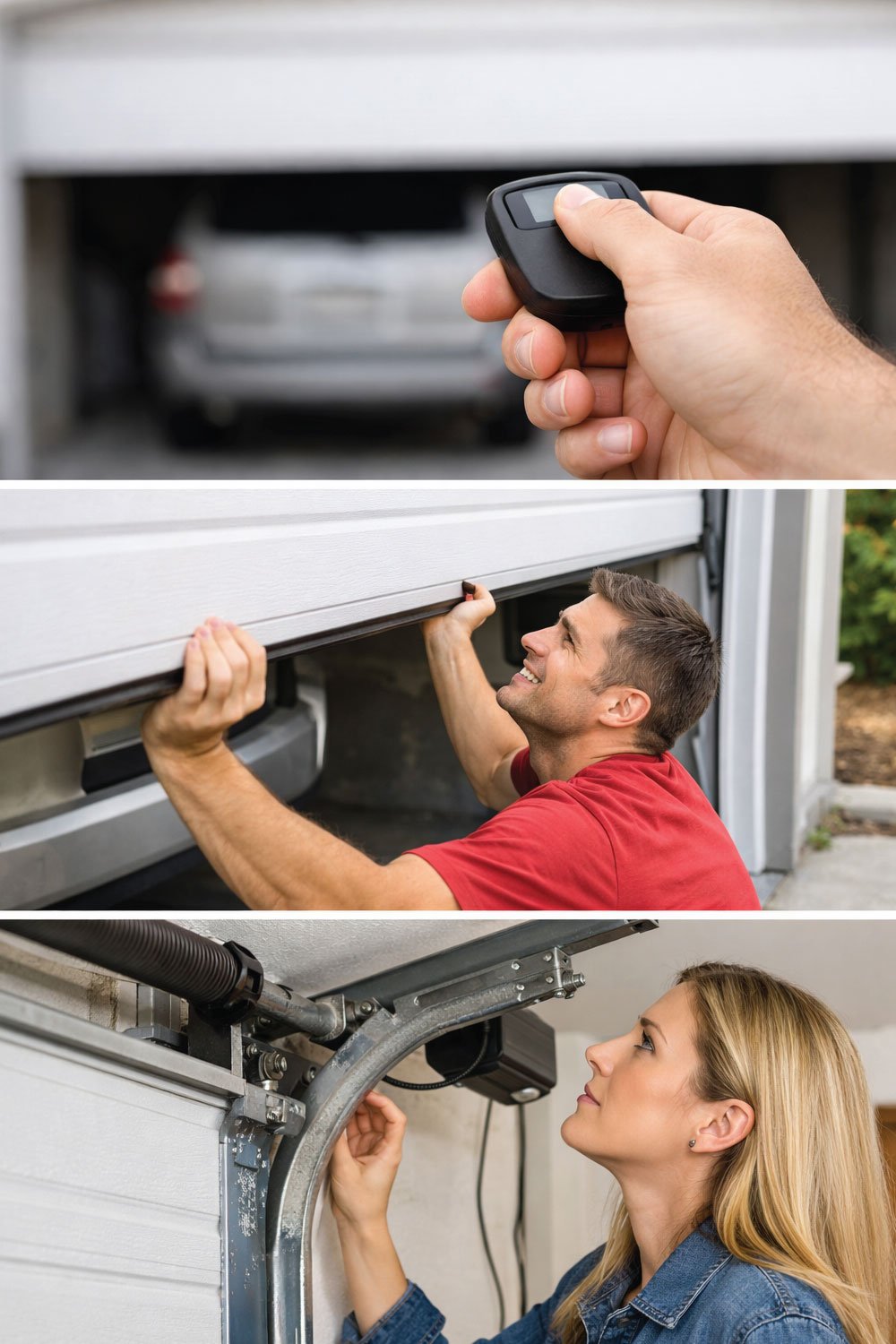
Encourage household members to:
Use the door gently
Avoid forcing it when stuck
Report unusual behavior early
Good habits can significantly extend the life of your system.
📖 Continue Reading: Expert Garage Door Advice ➜ Garage Door Safety Tips Every Homeowner Should Know
14. Protect Against Weather Damage
Weather conditions such as heat, cold, rain, and dust can gradually damage garage door components and reduce efficiency. Proper protection helps maintain structural integrity, prevents material weakening, and ensures smooth operation throughout seasonal changes.
To protect your door:
Insulate the garage if possible
Keep seals intact
Clear snow or debris from the base
Weatherproofing helps maintain consistent operation year-round.
15. Check the Garage Door Springs Regularly
Garage door springs carry most of the door’s weight, making them one of the most critical and high-stress components in the entire system. Regular inspection helps detect early signs of wear, which can prevent sudden failure and improve overall safety and performance.
Inspect springs for signs of rust or gaps in the coils
Listen for loud snapping or creaking sounds during operation
Watch for uneven lifting, which may indicate spring wear
Never attempt DIY spring repairs due to high tension risk
16. Ensure Proper Sensor Alignment
Photo-eye sensors are essential safety features that prevent the garage door from closing on objects, people, or pets. Proper alignment and cleanliness ensure they function correctly and maintain reliable communication between both sides of the door system.
Check that both photo-eye sensors are facing each other directly
Clean sensor lenses to remove dust, dirt, or spider webs
Look for blinking indicator lights that signal misalignment
Adjust gently if the door reverses unexpectedly or won’t close
17. Upgrade Old Components When Needed
Over time, garage door components naturally wear out, and upgrading them can significantly improve safety, noise levels, and efficiency. Modern parts and systems also offer better durability and smart features that enhance convenience and long-term performance.
Replace outdated openers for better safety and efficiency
Upgrade metal rollers to nylon for quieter operation
Install modern smart garage door systems for remote access
Replace worn cables, hinges, or brackets before failure occurs
Final Thoughts
Garage door maintenance doesn’t have to be complicated or time-consuming. By incorporating these simple care tips into your routine, you can avoid costly repairs, improve safety, and ensure your door operates smoothly for years to come.
Think of it as preventive care: a little effort now can save you significant money and stress later. Regular inspections, basic maintenance, and timely attention to small issues are all it takes to keep your garage door in top condition.
If you ever encounter a problem that feels beyond your expertise, don’t hesitate to call a professional. It’s always better to be safe than sorry especially when dealing with heavy, high-tension systems like garage doors.
With consistent care and awareness, your garage door will continue to serve you reliably, day after day.

Engineer Ali Usman is a professional garage door expert and author at FixFasty, with over 10 years of hands-on experience in garage door systems and mechanical maintenance. He writes clear, step-by-step guides on garage door repairs, parts, and safety practices, helping homeowners fix problems correctly and maintain smooth, secure, and long-lasting garage door performance.