
Your garage door is one of the largest moving components of your home, yet it’s also one of the most neglected. Most homeowners rely on it multiple times a day without giving much thought to how it works until something goes wrong. Unfortunately, many garage door problems stem not from age or manufacturing defects, but from common maintenance mistakes that are entirely avoidable.
Poor garage door maintenance can lead to costly repairs, reduced lifespan, safety hazards, and even personal injury. Understanding the most common garage door maintenance mistakes and knowing how to avoid them can save you time, money, and stress in the long run.
Below, we explore the top garage door maintenance mistakes homeowners make and provide practical guidance on how to prevent them.
1. Ignoring Regular Maintenance Altogether
Regular garage door maintenance is often overlooked, yet it plays a critical role in ensuring safety, reliability, and long-term performance. Many homeowners underestimate how much daily wear a garage door experiences, leading to preventable issues that could easily be avoided with consistent care.
The Mistake
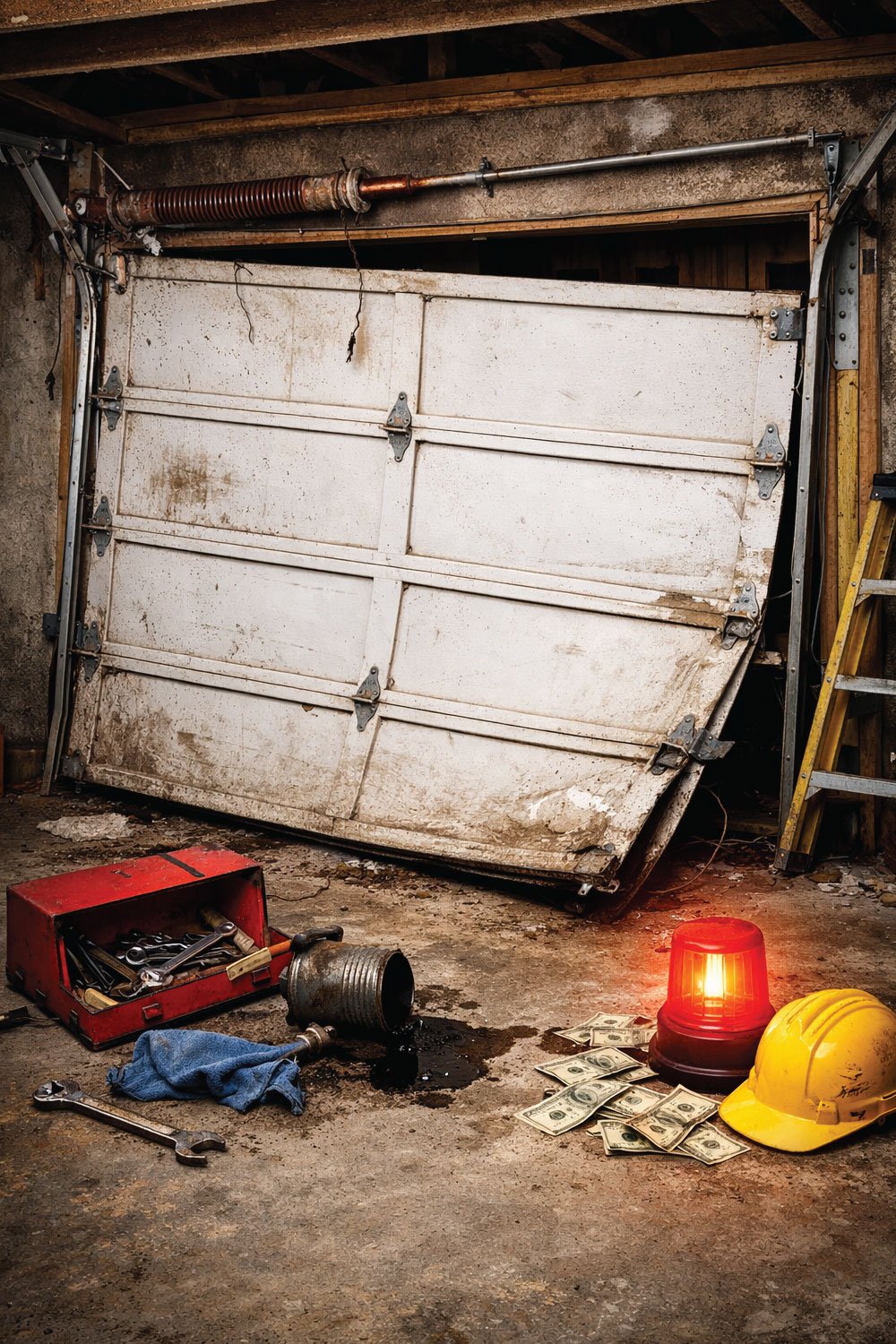
One of the biggest mistakes homeowners make is assuming that garage doors are “set it and forget it” systems. Because the door often works fine for years, maintenance is pushed aside until a breakdown occurs.
Why It is a Problem
Garage doors have many moving parts, including springs, rollers, cables, hinges, and tracks. Over time, these components wear down, loosen, or lose lubrication. Ignoring routine maintenance increases the likelihood of sudden failure, which can result in expensive emergency repairs.
How to Avoid It
Create a simple maintenance schedule:
Perform a visual inspection once a month
Lubricate moving parts every 3–6 months
Schedule a professional inspection once a year
2. Neglecting Lubrication
Proper lubrication is essential for smooth and quiet garage door operation, yet it is one of the most commonly misunderstood maintenance tasks. Using the wrong product or skipping lubrication altogether can silently damage components, shorten the door’s lifespan, and lead to avoidable repair costs.
3. Attempting DIY Repairs on High Tension Components
While do-it-yourself projects can be cost-effective, garage doors are not an area where shortcuts are worth the risk. Certain components operate under extreme force, and attempting repairs without proper knowledge or tools can quickly turn a simple fix into a serious safety hazard.
4. Failing to Test Garage Door Balance
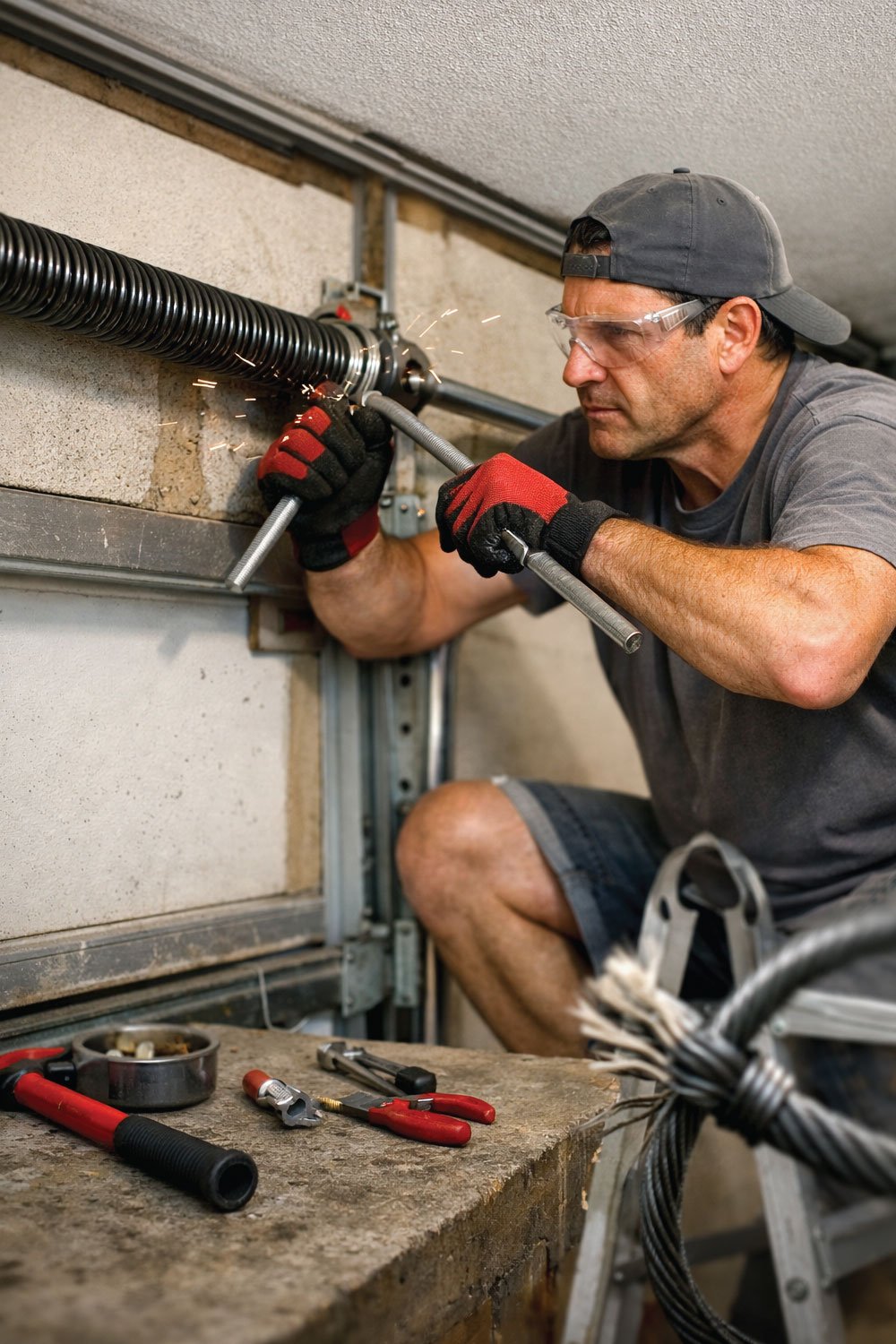
Garage door balance plays a crucial role in both safety and performance, yet it is rarely tested by homeowners. A door that appears to open and close normally may still be out of balance, quietly placing stress on key components and increasing the risk of sudden failure.
The Mistake
Many homeowners never think to test whether their garage door is properly balanced. Because the door still opens and closes, imbalance often goes unnoticed. Over time, this hidden issue gradually affects performance and creates additional stress on critical components.
Why It is a Problem
An unbalanced garage door forces the opener to work harder than designed, leading to premature wear and potential failure. It also creates safety concerns, making the door difficult or dangerous to operate manually during power outages or emergencies.
How to Avoid It
Checking door balance is a simple task that can reveal serious issues early. Follow these steps carefully and observe the door’s behavior:
Disconnect the opener
Manually lift the door halfway
Release it
If the door stays in place, it’s balanced. If it falls or rises quickly, the springs need adjustment by a professional.
5. Overlooking Worn Rollers
Garage door rollers may be small, but they play a major role in smooth and safe operation. Because they’re less visible than other components, worn rollers often go unnoticed, allowing minor issues to escalate into loud, inefficient movement or serious track-related problems over time.
The Mistake
Garage door rollers are frequently overlooked because they are small and out of sight. Homeowners often ignore them until noticeable noise, jerky movement, or a complete failure occurs. By that point, roller damage has usually progressed far beyond a simple fix.
Why It is a Problem
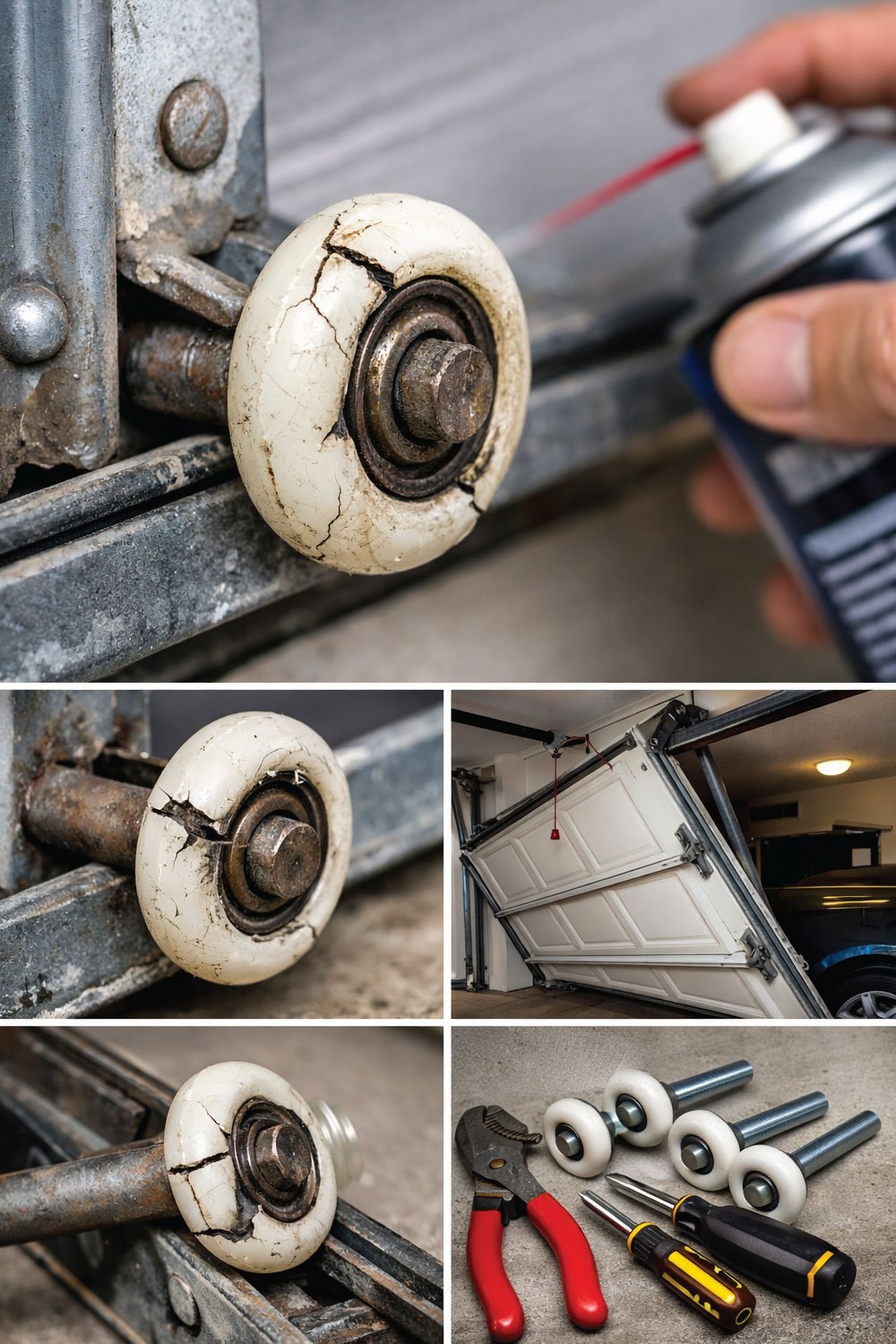
Worn, cracked, or damaged rollers prevent the garage door from moving smoothly along the tracks. This leads to loud operation, uneven door movement, and increased strain on both the tracks and opener. In severe cases, broken rollers can cause the door to derail.
How to Avoid It
Regular inspections help catch roller problems early and prevent larger issues. Check rollers every few months and replace them immediately if you observe any of the following signs:
Cracks
Chips
Excessive wobbling
Nylon rollers tend to be quieter and require less maintenance than metal ones.
6. Ignoring Loose Hardware
Garage door systems experience constant vibration during daily operation, which can gradually loosen bolts and fasteners. When this issue is ignored, it may seem minor at first but can slowly affect alignment, stability, and overall performance of the entire door mechanism over time.
The Mistake
Garage doors experience constant vibration during daily opening and closing cycles. Over time, this naturally loosens bolts, screws, and fasteners. Many homeowners overlook these small components completely, assuming everything is fine as long as the door still functions normally.
Why It is a Problem
When hardware becomes loose, the garage door can slowly shift out of alignment. This results in noisy operation, uneven movement, and extra strain on structural components. If left unaddressed, it can also cause long-term damage to the door system and reduce overall safety.
How to Avoid It
A simple inspection routine every few months can prevent these issues. Use a socket wrench to check and tighten key hardware components, including:
Hinges
Brackets
Roller mounts
Be careful not to overtighten, which can strip threads or damage components.
📖 Continue Reading: Expert Garage Door Advice ➜ Garage Door Stuck Halfway? Troubleshooting Tips
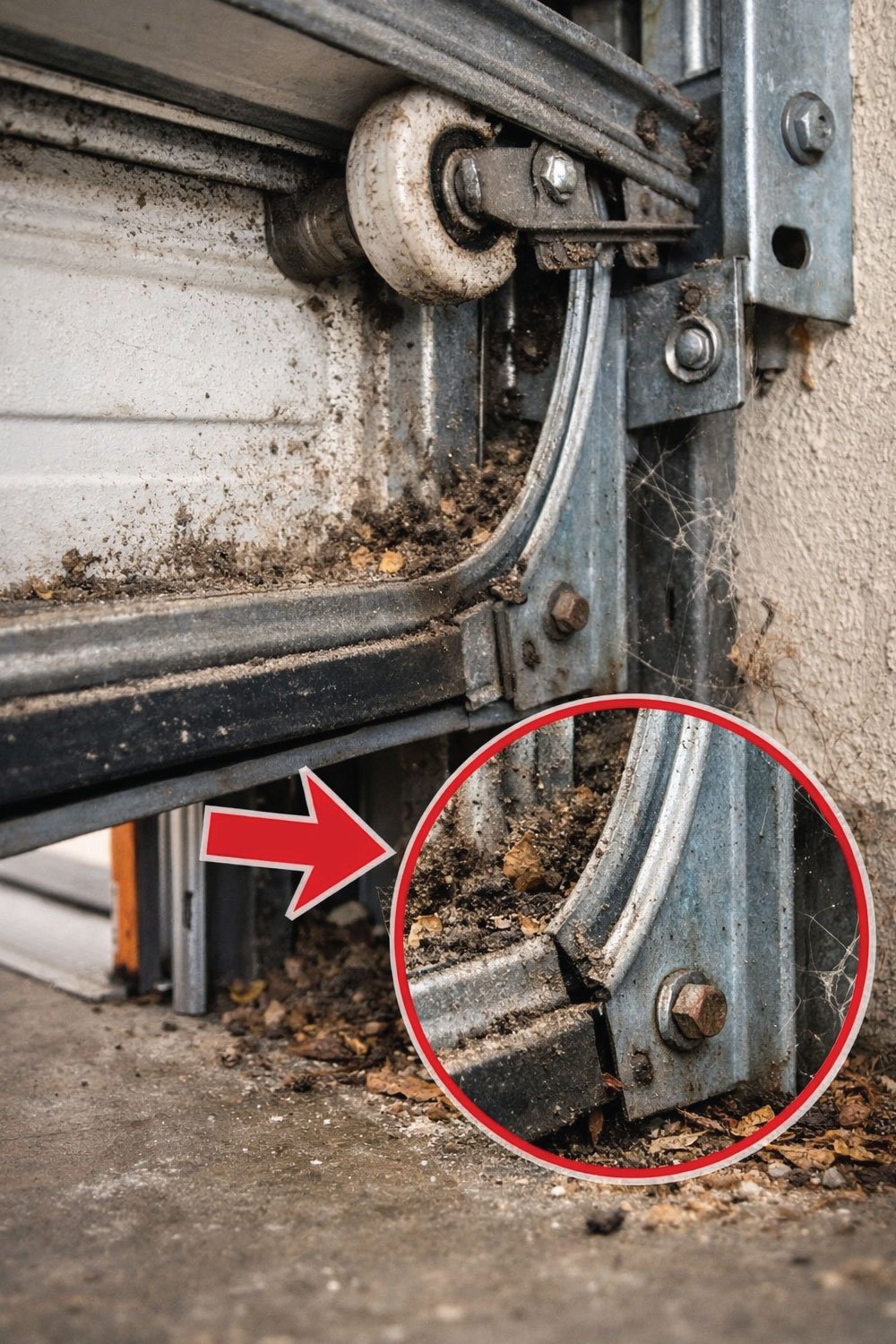
7. Letting Tracks Get Dirty or Misaligned
Garage door tracks guide the entire opening and closing system, making their condition critical for smooth operation. When they become dirty or slightly misaligned, performance issues can quickly develop, leading to strain on other components and potential safety risks if ignored over time.
8. Ignoring Noises and Warning Signs
Unusual sounds from a garage door are often the earliest indicators that something is not functioning correctly. Many homeowners overlook these warning signs, assuming they are harmless, but early detection is key to preventing minor mechanical issues from turning into costly repairs or system failure.
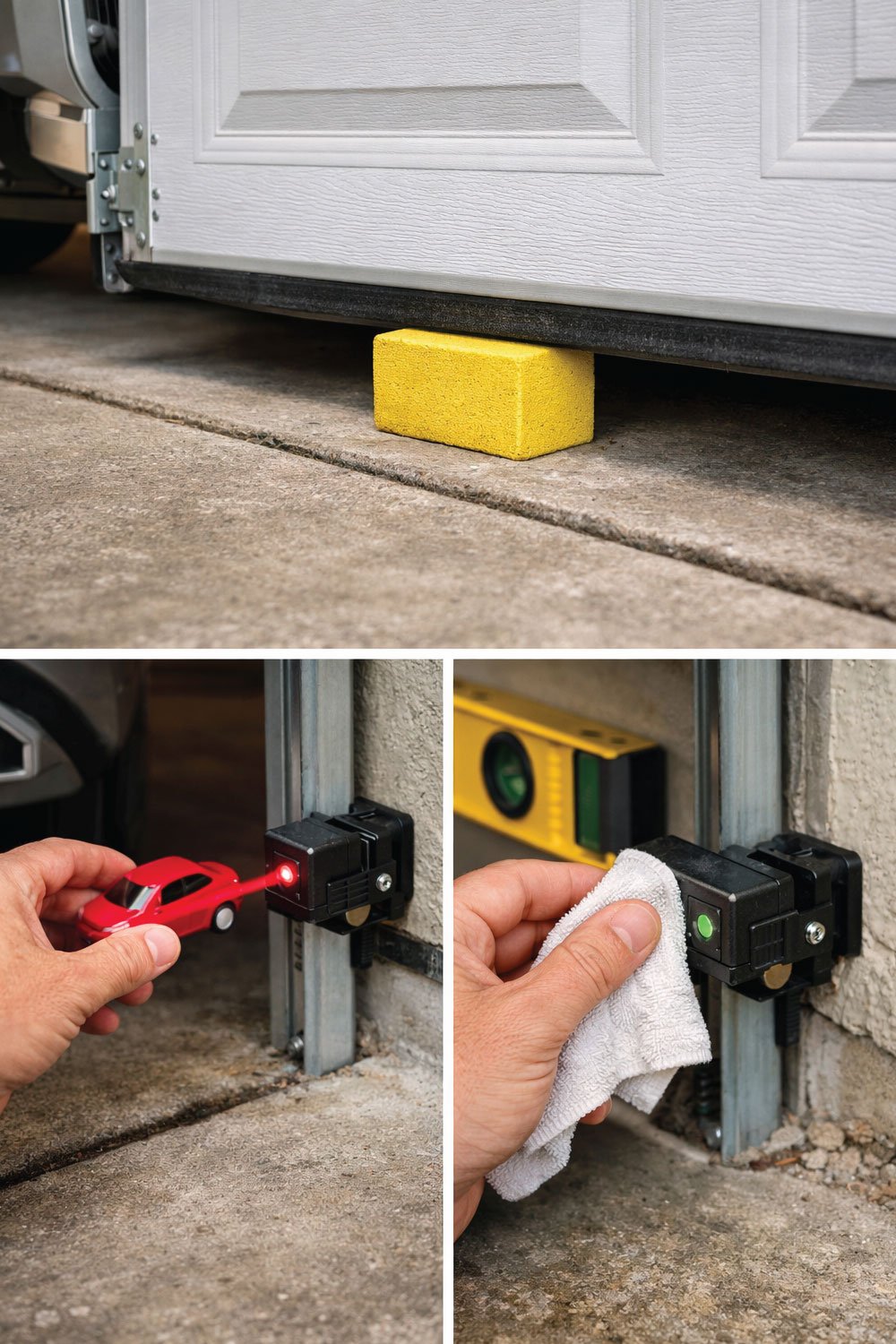
9. Forgetting to Test Safety Features
Modern garage doors are equipped with important safety systems designed to prevent accidents and injuries. However, these features are often overlooked after installation, even though regular testing is essential to ensure they continue working correctly and provide reliable protection for people and property.
The Mistake
Many homeowners assume that garage door safety systems will always function correctly and therefore never test them. Features like auto-reverse and photo-eye sensors are often ignored during routine maintenance, even though they play a critical role in preventing accidents and ensuring safe daily operation.
Why It is a Problem
If safety features are not working properly, the garage door can become dangerous. A malfunctioning auto-reverse system or misaligned sensors may fail to detect obstacles, potentially causing serious injuries or damage to vehicles, pets, or other belongings during door operation.
How to Avoid It
Regular testing ensures that all safety mechanisms remain functional and reliable. Monthly checks help identify issues early before they become hazardous. Follow these steps:
Place an object under the door to test auto-reverse
Wave an object in front of the photo-eyes to ensure the door stops
Clean photo-eye lenses regularly and make sure they are properly aligned.
📖 Continue Reading: Expert Garage Door Advice ➜ Squeaky Garage Door Fix Explained: Easy DIY Solutions
10. Using the Garage Door as a Storage Support
A garage door is designed strictly for opening and closing not for supporting extra weight or storage. When homeowners use it as a storage structure, they unknowingly place stress on critical components, which can reduce efficiency, cause damage, and compromise the overall safety of the system.
11. Delaying Professional Inspections
Regular professional inspections are essential for keeping a garage door in safe and efficient working condition. Many homeowners delay these checkups until a major issue arises, but proactive maintenance helps detect hidden problems early and prevents costly breakdowns or sudden system failures.
The Mistake
Many homeowners postpone calling a garage door professional until the system stops working entirely. Instead of routine checkups, they rely on the door until a major failure occurs, which often leads to avoidable breakdowns and more complicated repair situations.
Why It is a Problem
Waiting for a complete failure usually results in higher repair costs and greater inconvenience. Small issues that could have been fixed early often worsen over time, leading to emergency situations, longer downtime, and potential safety risks for the entire garage door system.
How to Avoid It
Regular professional servicing helps maintain safe and efficient operation while preventing unexpected failures. Annual inspections are strongly recommended to catch hidden problems early. A trained technician can properly assess the system and make necessary adjustments.
Schedule annual professional maintenance. A trained technician can identify hidden issues, adjust spring tension, and ensure everything operates safely and efficiently.
12. Assuming All Garage Doors Are the Same
Garage doors vary widely in design, materials, and operating systems, yet many homeowners treat them as identical. This assumption can lead to improper maintenance practices that fail to meet the specific needs of the door, ultimately reducing performance and shortening its lifespan.
The Mistake
Many homeowners assume that all garage doors function and are maintained in the same way. They often follow general advice without considering differences in door design, material, weight, or opener type, which can lead to improper care and avoidable issues over time.
Why It is a Problem
Different garage door materials such as wood, steel, aluminum, and insulated panels each have unique maintenance requirements. Using a one-size-fits-all approach can result in improper handling, unnecessary wear, or even damage to specific components that require specialized care.
How to Avoid It
Proper maintenance depends on understanding your specific garage door system and following the correct guidelines. This ensures long-term performance, safety, and durability.
Follow manufacturer recommendations and consult professionals familiar with your specific garage door system.
📖 Continue Reading: Expert Garage Door Advice ➜ Garage Door Openers: Features, Benefits Explained
Final Thoughts
Garage door maintenance is not complicated, but it does require consistency, attention, and respect for safety. Most garage door failures result from simple, avoidable mistakes neglecting lubrication, ignoring warning signs, or attempting dangerous DIY repairs.
By avoiding these common garage door maintenance mistakes and adopting a proactive approach, you can:
Extend the lifespan of your garage door
Improve daily performance
Reduce repair costs
Enhance safety for your family
A well-maintained garage door isn’t just a convenience it’s an essential part of your home’s functionality and security.

Engineer Ali Hasan is a garage door expert and the founder of FixFasty. With over 16 years of experience in mechanical systems and home maintenance, he provides practical, step-by-step guides on garage door installation, repairs, and maintenance, helping homeowners keep their garage doors safe, reliable, and long-lasting.