
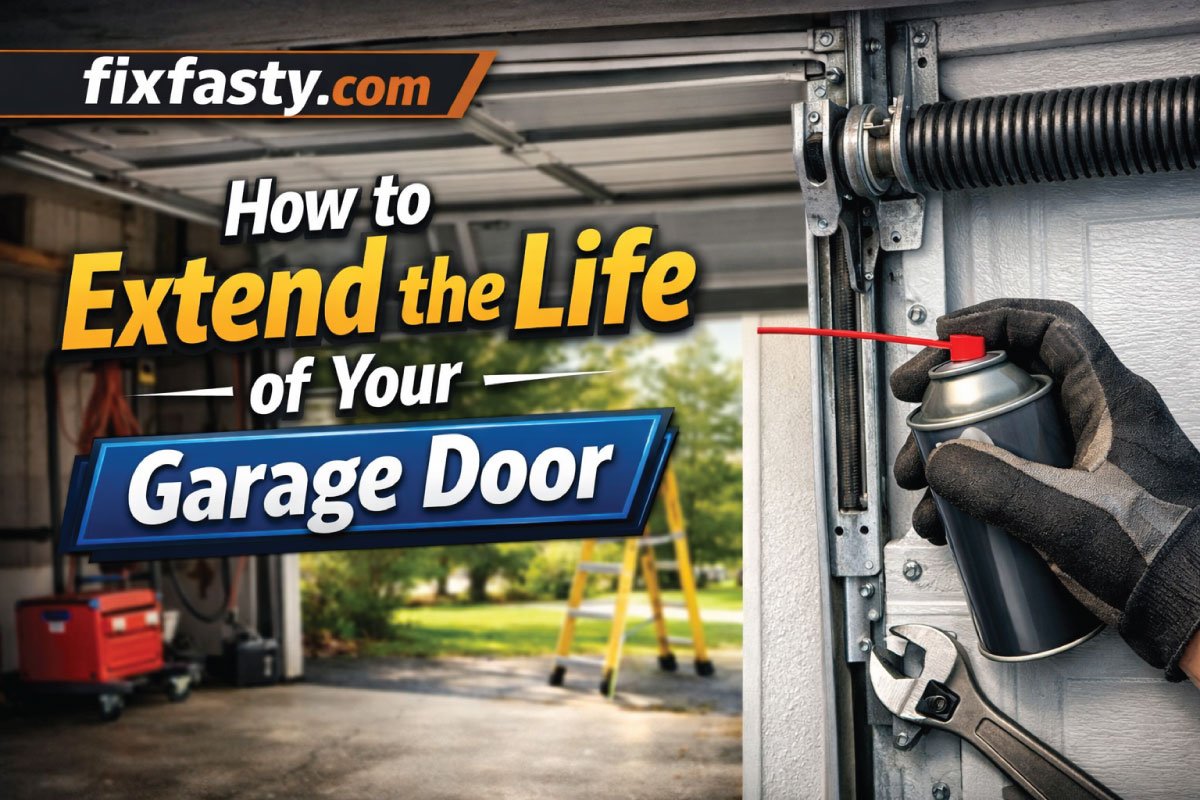
A garage door is one of the most frequently used components of your home, yet it’s often overlooked when it comes to maintenance. Whether you’re heading out to work, running errands, or storing valuables, your garage door plays a crucial role in both convenience and security. However, without proper care, it can wear out faster than expected—leading to costly repairs or even full replacement.
The good news? With a few simple habits and regular maintenance, you can significantly extend the life of your garage door and keep it functioning smoothly for years. In this guide, we’ll break down everything you need to know in a clear, practical, and human-friendly way.
Why Garage Door Maintenance Matters
A garage door is far more than a simple entry point—it is a complex system of interconnected components that must function in harmony. Springs, cables, rollers, tracks, and openers all endure constant movement and stress. Over time, this repeated use naturally leads to wear and tear, making regular maintenance essential for keeping everything operating safely and efficiently.
Consistent upkeep, however, offers clear advantages. It can significantly extend the lifespan of your garage door system, often by several years. Routine checks also ensure smoother, quieter operation and reduce the likelihood of costly repairs. Ultimately, proper maintenance protects your investment, enhances safety, and even contributes positively to your home’s overall value.
Ignoring maintenance can lead to:
Sudden breakdowns
Expensive emergency repairs
Safety hazards
Reduced home value
On the other hand, regular upkeep:
Extends lifespan (often by 5–10 years)
Improves safety
Keeps operation smooth and quiet
Saves money in the long run
Key Parts of a Garage Door System
Understanding the main components of your garage door system is the first step toward proper maintenance. Each part plays a specific role in ensuring smooth operation. Springs carry most of the door’s weight, while cables assist in lifting and lowering. Rollers move along tracks, guiding the door’s motion, and the opener automates the entire process.
Springs – Handle the heavy lifting
Cables – Work with springs to lift the door
Rollers – Help the door move along tracks
Tracks – Guide the door up and down
Opener – Automates opening and closing
Hinges & Panels – Provide structure and flexibility
Each part requires attention to keep the system running efficiently.
Essential Maintenance Tasks
Keeping your garage door in top condition doesn’t require complicated tools or professional skills—just a bit of consistency and attention. Regular maintenance tasks help ensure that every component works smoothly together, reducing the chances of unexpected breakdowns and costly repairs over time.
By taking a proactive approach, you can identify small issues before they turn into major problems. Simple actions like lubrication, tightening hardware, and cleaning can significantly improve performance while also enhancing safety. These routine checks are especially important because garage doors are used frequently and experience constant wear.
In the following sections, we’ll cover essential maintenance tasks that are easy to perform yet highly effective. Incorporating these steps into your routine will help extend the lifespan of your garage door, keep it operating quietly, and ensure reliable performance for years to come.
1. Lubricate Moving Parts Regularly
Keeping your garage door well-lubricated is one of the simplest yet most effective ways to maintain its performance. Since multiple components are constantly in motion, friction can build up quickly, leading to noise and faster wear. Applying the right lubricant ensures smoother operation and reduces unnecessary strain on the system.
Focus on key moving parts such as hinges, rollers, and springs, as these handle the most movement. Tracks can also be lightly treated, but avoid overdoing it. A silicone-based or garage-door-specific lubricant works best, as it doesn’t attract dust or debris like heavy grease does, keeping components cleaner over time.
For best results, lubrication should be done every three to six months, depending on usage. Regular application not only minimizes noise but also helps prevent costly repairs by extending the lifespan of essential components. It’s a small effort that delivers long-term benefits for both performance and durability.
Focus on:
Hinges
Rollers
Springs
Tracks (lightly)
Use a silicone-based or garage-door-specific lubricant. Avoid heavy grease—it attracts dust.
How often?
Every 3–6 months.
2. Inspect and Tighten Hardware
Garage doors operate multiple times a day, and this constant motion naturally causes hardware to loosen over time. Bolts, screws, and brackets can gradually shift, leading to instability or unusual noises during operation. Regular inspection helps catch these minor issues before they turn into bigger problems.
Pay close attention to brackets, roller mounts, and track supports, as these areas experience the most stress. If any part feels loose, tighten it carefully to restore stability. However, it’s important not to overtighten, as that can damage components or strip threads, creating additional issues.
Making this check part of your routine maintenance ensures the entire system remains secure and aligned. Properly tightened hardware improves safety, enhances smooth operation, and reduces wear on other parts, ultimately keeping your garage door functioning reliably for years.
Check:
Brackets
Roller mounts
Track supports
Tighten anything that feels loose—but don’t overtighten.
3. Clean the Tracks
Clean tracks are essential for smooth and consistent garage door movement. Over time, dust, dirt, and debris can accumulate, causing the door to move unevenly or become noisy. If left unaddressed, this buildup can even lead to misalignment or damage to other components.
To clean the tracks, simply wipe them down with a damp cloth and remove any visible debris. Make sure the tracks remain straight and properly aligned, as even slight bends can affect performance. Regular cleaning keeps the pathway clear and allows the rollers to move freely.
It’s important to avoid heavy lubrication on the tracks, as this can attract more dirt and create buildup. Instead, focus on keeping them clean and dry. A well-maintained track system ensures smoother operation and reduces unnecessary strain on the entire garage door mechanism.
Steps:
Wipe tracks with a damp cloth
Remove debris
Ensure alignment (they should be straight)
Avoid lubricating tracks heavily—just keep them clean.
Also Read:
4. Test Door Balance
A properly balanced garage door is crucial for efficient and safe operation. When the door is unbalanced, it puts extra pressure on the opener, causing it to work harder than necessary. Over time, this can shorten the lifespan of the motor and lead to more frequent repairs.
Testing the balance is simple and can be done in a few steps. First, disconnect the opener to operate the door manually. Lift the door halfway and carefully release it. If the door stays in place, it is properly balanced. If it falls or rises, it indicates an imbalance that needs attention.
In cases where the door is not balanced, it’s best to call a professional for adjustment. Springs are under high tension and can be dangerous to handle without proper tools and experience. Regular balance checks help maintain smooth operation and prevent unnecessary wear on your garage door system.
Quick test:
Disconnect the opener
Lift the door halfway
Let go carefully
If it stays in place → balanced
If it falls → needs adjustment (call a professional)
Also Read:
5. Replace Worn-Out Rollers
Rollers play a crucial role in ensuring your garage door moves smoothly along its tracks. Over time, especially with frequent use, rollers can wear out—particularly if they are made of plastic. Ignoring worn rollers can lead to noisy and uneven operation, eventually affecting other parts of the system.
Common signs of worn-out rollers include grinding noises, shaky or uneven movement, and visible cracks or damage. If you notice any of these issues, it’s a clear indication that replacement is needed. Addressing this early helps prevent further strain on the tracks and opener.
Signs of worn rollers:
Grinding noise
Uneven movement
Visible cracks
Upgrading to nylon rollers can:
Reduce noise
Increase durability
Improve performance
6. Keep the Door Clean
Maintaining the exterior of your garage door is just as important as caring for its internal components. Dirt, grime, and environmental buildup can affect both appearance and durability over time. Regular cleaning helps preserve the door’s finish and prevents long-term damage.
Use mild soap and water to wash the surface, and make it a habit to remove any rust spots as soon as they appear. For wooden doors, resealing may be necessary, while steel doors may require repainting to maintain their protective coating. These simple steps keep your door looking good and functioning well.
Wash with mild soap and water
Remove rust spots early
Repaint or reseal if needed
This is especially important for wooden or steel doors.
Also Read:
7. Protect Against Weather Damage
Garage doors are constantly exposed to changing weather conditions, which can cause gradual damage. Extreme heat, cold, moisture, and dust can weaken materials and affect performance if not properly managed. Taking preventive steps can help minimize these effects.
Installing weather stripping is an effective way to seal gaps and keep out dust, water, and drafts. Regularly checking the bottom seal ensures it remains intact and functional. It’s also important to prevent water from pooling near the base of the door, as this can lead to rust or wood damage.
Tips:
Install weather stripping
Check bottom seal regularly
Keep water away from the base
This is crucial in regions with harsh climates.
8. Test Safety Features
Modern garage doors are equipped with important safety features designed to prevent accidents. Sensors and auto-reverse mechanisms ensure that the door stops or reverses if it detects an obstruction. Regular testing is essential to confirm these features are working properly.
A simple way to test this is by placing an object under the door and attempting to close it. If the door does not reverse upon contact, there may be an issue that needs immediate attention. Faulty safety features can pose serious risks to people, pets, and property.
Test method:
Place an object under the door
Close the door
If it doesn’t reverse → fix immediately
This is essential for protecting children, pets, and vehicles.
Maintenance Schedule
Staying consistent with garage door maintenance is the key to avoiding unexpected issues and costly repairs. A simple schedule helps you keep track of essential tasks without feeling overwhelmed. By spreading maintenance activities throughout the year, you can ensure that every component receives proper attention and continues to function efficiently.
Following a routine also makes it easier to detect early signs of wear or damage. Regular checks not only improve safety but also extend the overall lifespan of your garage door system. Even small tasks, when done on time, can make a significant difference in performance and reliability.
| Task | Frequency | Difficulty Level | Notes |
|---|---|---|---|
| Lubrication | Every 3–6 months | Easy | Use silicone-based lubricant |
| Hardware tightening | Every 6 months | Easy | Check bolts and brackets |
| Track cleaning | Every 3 months | Easy | Keep free of debris |
| Balance testing | Every 6 months | Moderate | Call pro if unbalanced |
| Visual inspection | Monthly | Easy | Look for wear or damage |
Common Problems and Solutions
Understanding the relationship between symptoms and their causes makes maintenance more effective. Whether it’s unusual noise, slow response, or improper movement, identifying the root problem ensures you apply the right solution and keep your garage door running smoothly.
| Problem | Possible Cause | Solution |
|---|---|---|
| Noisy operation | Lack of lubrication | Lubricate moving parts |
| Door won’t open | Broken spring | Call a professional |
| Uneven movement | Track misalignment | Adjust or repair tracks |
| Slow response | Opener issues | Check motor or replace opener |
| Door reverses suddenly | Sensor blockage | Clean and realign sensors |
When to Call a Professional
While many garage door maintenance tasks can be handled on your own, certain problems require professional expertise. Some components operate under high tension or involve complex mechanisms, making them unsafe to repair without the right tools and experience. Knowing when to step back and call an expert is essential for both safety and long-term performance.
Call a professional if:
Springs are broken (dangerous to handle)
Cables are damaged
Door is severely unbalanced
Opener motor fails
Trying to fix these yourself can lead to injury or further damage.
Tips to Extend Garage Door Lifespan Even More
Avoid slamming the door manually, as this puts unnecessary stress on springs, cables, and panels. Try to limit excessive or unnecessary use whenever possible, especially if the door is older. Gradually upgrading worn or outdated components, such as rollers or openers, can also improve performance and prevent larger issues from developing. Using a surge protector for electric openers adds an extra layer of protection against power fluctuations.
Don’t slam the door manually
Limit unnecessary use
Upgrade old components gradually
Use a surge protector for electric openers
Listen for unusual sounds
Your garage door often “tells” you when something is wrong—don’t ignore it.
How Long Should a Garage Door Last?
A garage door is a long-term investment, and its lifespan largely depends on how well it’s maintained. With proper care and regular servicing, most garage doors can last anywhere between 15 to 30 years. Factors such as material, usage frequency, and environmental conditions also play a significant role in determining how long the system will perform reliably.
Average lifespan: 15–30 years
Springs: 7–12 years
Openers: 10–15 years
Regular maintenance can push these numbers to the higher end.
Final Thoughts
Taking care of your garage door doesn’t require advanced skills or expensive tools—just consistency and attention. A little effort every few months can save you thousands in repairs and extend the life of your system significantly.
Think of your garage door like your car: ignore maintenance, and problems pile up quickly. Stay proactive, and it will serve you reliably for decades.

Engineer Ali Hasan is a garage door expert and the founder of FixFasty. With over 16 years of experience in mechanical systems and home maintenance, he provides practical, step-by-step guides on garage door installation, repairs, and maintenance, helping homeowners keep their garage doors safe, reliable, and long-lasting.