
Garage doors are one of the hardest-working components of any home. They open and close multiple times every day, protecting your vehicles, tools, and belongings. However, with constant use, the hardware—especially the garage door hinges—can wear out, become loose, rust, or even break. Ignoring damaged hinges can lead to noisy operation, poor door alignment, increased strain on the opener, and even costly repairs.
Fortunately, repairing garage door hinges is a task many homeowners can handle with the right tools, safety precautions, and instructions. In this comprehensive guide, you’ll learn how to identify damaged hinges, repair or replace them, prevent future issues, and know when it’s time to call a professional.
What Are Garage Door Hinges?
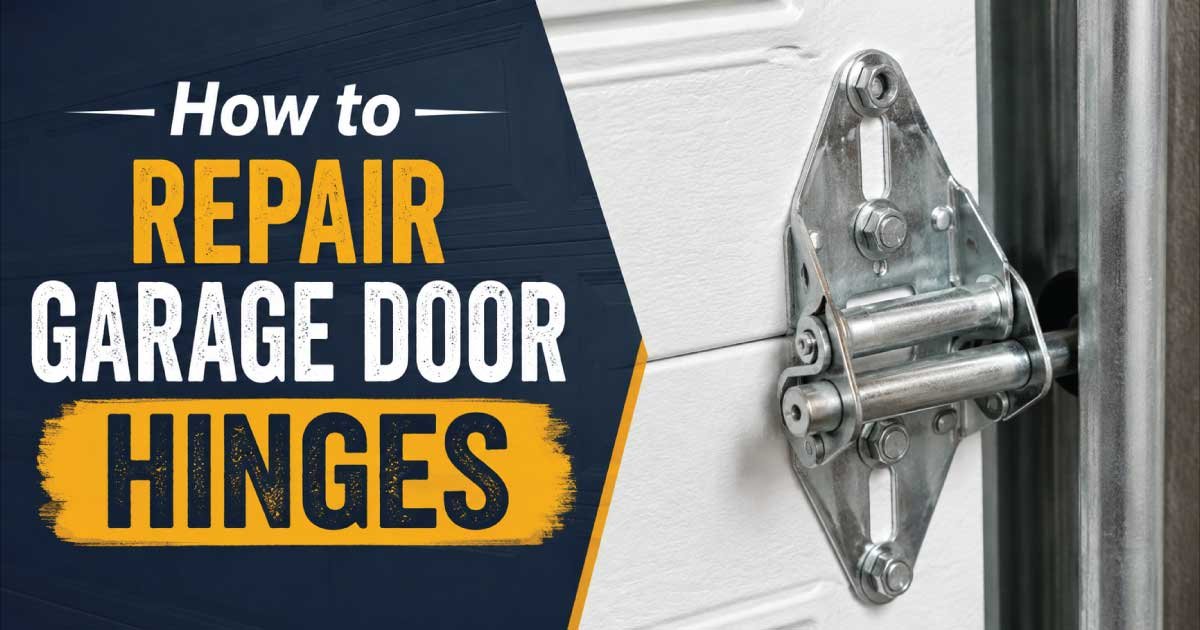
Garage door hinges connect the individual sections (panels) of a sectional garage door. As the door opens and closes, these hinges allow each panel to bend smoothly along the track.
Depending on their location, garage door hinges may also hold the roller brackets that guide the door along the tracks.
Common hinge types include:
- Standard center hinges
- End hinges (hold garage door rollers)
- Heavy-duty replacement hinges
- Wide-body hinges for insulated doors
Each hinge is usually numbered to indicate its placement on the garage door.
Signs Your Garage Door Hinges Need Repair
Before beginning repairs, determine whether the hinges actually need attention.
Look for these warning signs:
1. Loud Squeaking
Metal rubbing against metal often indicates:
- Lack of lubrication
- Rust
- Worn hinge pins
2. Loose Screws
Over time, repeated door movement loosens screws.
You may notice:
- Panels shifting
- Door vibration
- Rattling noises
3. Cracked Hinges
Visible cracks weaken the hinge and increase the risk of failure.
4. Bent Hinges
Impact damage or excessive strain may bend the hinge.
Bent hinges affect door alignment.
5. Rust
Rust weakens steel and causes hinges to stick.
6. Door Misalignment
If one section of the door appears uneven or sticks while opening, damaged hinges may be responsible.
Why Garage Door Hinges Fail
Several factors contribute to hinge damage:
- Daily wear and tear
- Moisture and rust
- Poor lubrication
- Heavy garage doors
- Accidental vehicle impact
- Loose hardware
- Improper installation
- Aging metal fatigue
Regular maintenance significantly extends hinge life.
Tools You’ll Need
Gather these tools before starting:
- Adjustable wrench
- Socket wrench
- Screwdriver
- Power drill
- Replacement hinges
- Garage door lubricant
- Safety glasses
- Work gloves
- Locking pliers
- Stepladder
- Marker
- Clean cloth
Having everything ready saves time during repairs.
Safety First
Garage doors are heavy and operate under high spring tension.
Before repairing hinges:
- Disconnect the automatic opener.
- Keep the garage door in the fully closed position whenever possible.
- Never loosen hinges attached directly to spring brackets.
- Wear gloves and eye protection.
- Secure the door if working on multiple hinges.
- Do not remove several hinges simultaneously.
If you’re unsure about any repair involving springs, contact a garage door professional.
Step-by-Step Guide to Repair Garage Door Hinges
Step 1: Inspect Every Hinge
Open and close the garage door manually.
Watch for:
- Sticking points
- Loose hinges
- Bent metal
- Missing screws
- Rust buildup
- Cracks
Mark damaged hinges with a marker.
Step 2: Tighten Loose Hardware
Many hinge problems are simply loose fasteners.
Use a wrench or screwdriver to tighten:
- Hinge bolts
- Screws
- Roller bracket fasteners
Avoid overtightening, which can strip the holes.
If screw holes are enlarged, replace them with longer screws designed for garage doors.
Step 3: Clean the Hinges
Dirt and debris accelerate wear.
Use:
- Dry cloth
- Wire brush
- Mild household cleaner
Remove:
- Dirt
- Rust flakes
- Grease buildup
Clean hinges move more smoothly.
Step 4: Lubricate the Hinges
Apply a garage door lubricant to:
- Pivot points
- Hinge joints
- Roller stems
Avoid using:
- Cooking oil
- Motor oil
- Heavy grease
Instead, use silicone-based or lithium-based garage door lubricants.
Open and close the door several times to distribute the lubricant.
Step 5: Replace Bent or Broken Hinges
If a hinge is cracked or bent, replacement is the safest solution.
Here’s how:
1. Disconnect the opener.
2. Keep the door closed.
3. Remove the damaged hinge screws.
4. Carefully remove the old hinge.
5. Install the new hinge in the exact same position.
6. Tighten all hardware securely.
7. Test door movement.
Only replace one hinge at a time to maintain door alignment.
Step 6: Check the Rollers
Some hinges also support garage door rollers.
Inspect for:
- Worn wheels
- Bent stems
- Cracks
Replace damaged rollers if necessary.
Smooth rollers reduce hinge stress.
Step 7: Test the Garage Door
Reconnect the opener.
Open and close the garage door several times.
Check for:
- Smooth movement
- Quiet operation
- Proper alignment
- Stable panels
If everything operates correctly, the repair is complete.
How to Replace End Hinges
End hinges require extra care because they hold the roller brackets.
To replace:
- Close the garage door.
- Secure the door.
- Remove one hinge only.
- Transfer the roller to the new hinge.
- Reinstall the hinge.
- Tighten all fasteners.
Never remove multiple end hinges simultaneously.
Choosing the Correct Replacement Hinge
Not all hinges are identical.
Before buying replacements, check:
- Hinge number
- Door manufacturer
- Material thickness
- Hole spacing
- Roller location
Installing the wrong hinge can cause door binding.
Common Garage Door Hinge Problems
Rust
Solution:
- Remove rust
- Lubricate
- Replace severely corroded hinges
Loose Screws
Solution:
- Tighten screws
- Replace stripped hardware
Squeaking
Solution:
- Clean
- Lubricate
- Replace worn hinges
Cracked Metal
Solution:
Replace immediately.
Cracked hinges can fail without warning.
Misaligned Panels
Solution:
- Tighten hardware
- Replace damaged hinges
- Inspect tracks
Maintenance Tips to Extend Hinge Life
Routine maintenance prevents expensive repairs.
Every 6 months:
Inspect
Check every hinge for:
- Rust
- Cracks
- Loose screws
Lubricate
Apply garage door lubricant to:
- Hinges
- Rollers
- Springs (if recommended by the manufacturer)
- Bearings
Clean
Remove:
- Dust
- Cobwebs
- Dirt
Tighten
Check all bolts and screws.
Test
Operate the door manually to identify unusual noises.
Mistakes to Avoid
Many DIY repairs become more expensive because of these mistakes.
Avoid:
- Removing multiple hinges at once
- Working on an open garage door
- Ignoring rust
- Using the wrong replacement hinge
- Over-tightening screws
- Forgetting lubrication
- Working near spring hardware
When to Call a Professional
DIY repairs are suitable for minor hinge issues.
However, call a professional if:
- The garage door spring is damaged.
- The door has fallen off the track.
- Multiple hinges have failed.
- Panels are cracked.
- The opener struggles to lift the door.
- The door is severely misaligned.
- You notice cables coming loose.
Garage door springs are under extreme tension and can cause serious injury if handled improperly.
Cost of Garage Door Hinge Repair
Repair costs vary depending on the issue.
Typical estimates include:
| Repair | Average Cost |
|---|---|
| Tightening hardware | $0–$20 |
| Lubrication | $10–$25 |
| Single hinge replacement | $10–$40 |
| Multiple hinge replacement | $50–$150 |
| Professional repair service | $100–$300 |
DIY repairs are often much less expensive than hiring a technician for minor issues.
Frequently Asked Questions
Can I repair a broken garage door hinge instead of replacing it?
Minor issues like loose screws or squeaking can often be repaired. However, cracked or bent hinges should always be replaced to ensure safe operation.
How long do garage door hinges last?
With proper maintenance, quality garage door hinges typically last between 10 and 20 years, depending on usage and environmental conditions.
What lubricant should I use?
A silicone-based or white lithium garage door lubricant is ideal. Avoid using WD-40 as a long-term lubricant, as it primarily functions as a cleaner and water displacer rather than a lasting lubricant.
Can I replace garage door hinges myself?
Yes, replacing standard hinges is a manageable DIY project if you follow proper safety precautions. However, never attempt repairs involving torsion springs unless you have the necessary training and equipment.
How often should I inspect my garage door?
Inspect the hinges, rollers, tracks, and hardware at least twice a year, and lubricate moving parts every six months or as recommended by the manufacturer.
Final Thoughts
Garage door hinges play a crucial role in the smooth and safe operation of your garage door. Small issues such as loose screws, squeaking, or light rust are often easy to fix with basic tools and regular maintenance. Replacing a damaged hinge can also be a straightforward DIY project when performed carefully and one hinge at a time.
By inspecting your garage door regularly, tightening hardware, cleaning away debris, and applying the proper lubricant, you can significantly extend the lifespan of your hinges and reduce the risk of unexpected breakdowns. For more serious problems involving springs, cables, or major door misalignment, it’s always best to seek professional assistance.
A little preventative maintenance today can save you from expensive repairs tomorrow, ensuring your garage door continues to operate safely, quietly, and reliably for years to come.

Engineer Ali Usman is a professional garage door expert and author at FixFasty, with over 10 years of hands-on experience in garage door systems and mechanical maintenance. He writes clear, step-by-step guides on garage door repairs, parts, and safety practices, helping homeowners fix problems correctly and maintain smooth, secure, and long-lasting garage door performance.