
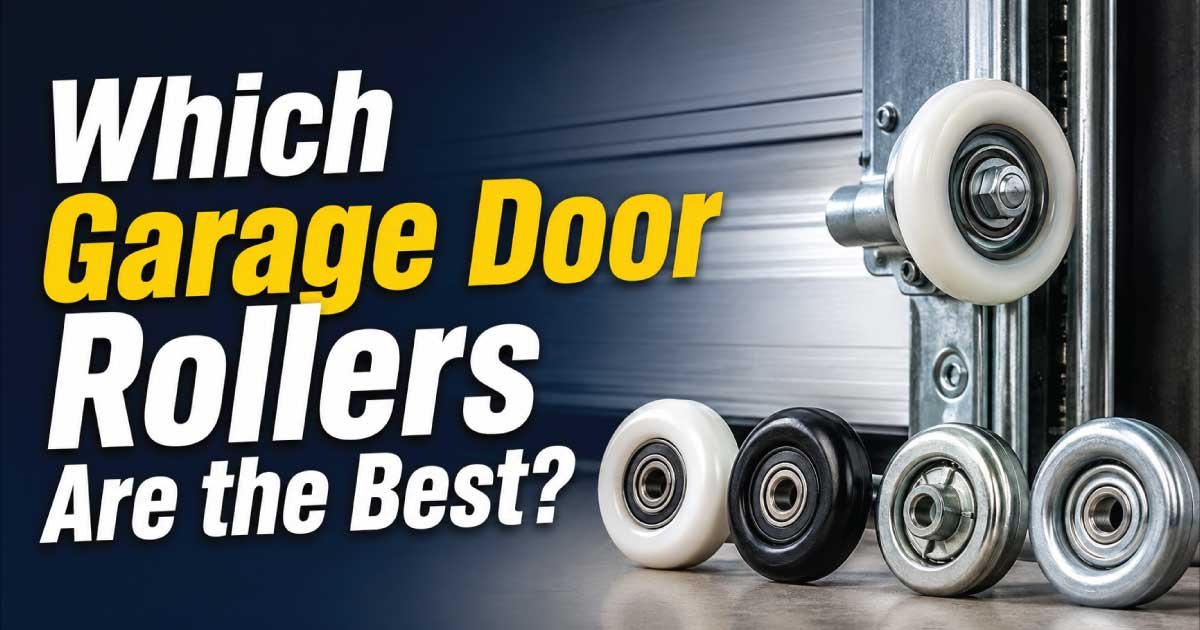
The good news is that understanding garage door rollers is easier than it seems. Different materials, bearing designs, and durability ratings all affect performance, noise levels, maintenance needs, and lifespan. Selecting the right rollers for your specific garage door can improve reliability, reduce maintenance, and extend the life of the entire system.
In this guide, you’ll learn how garage door rollers work, how to recognize signs of worn or failing rollers, what causes roller problems, important safety precautions before inspection, the tools you’ll need, and a step-by-step troubleshooting process to determine whether your rollers need maintenance or replacement. By the end, you’ll be able to make a confident, informed decision about which garage door rollers are the best for your home.
Table of Contents
ToggleCommon Signs and Symptoms
Garage door roller problems often begin gradually. Many homeowners ignore small warning signs until the door becomes difficult to operate or starts damaging other components. Recognizing these symptoms early can help prevent larger repairs and improve overall garage door safety.
Common signs include:
- Loud grinding, squeaking, or rattling noises during operation
- Jerky or uneven door movement
- Garage door shakes or vibrates while opening or closing
- Rollers appear cracked, chipped, or worn
- Door hesitates before moving
- Door moves slower than normal
- Metal rollers leave metal dust on the tracks
- Rollers wobble inside the track
- Door occasionally comes off track
- Garage door opener seems to struggle more than usual
Less obvious warning signs include:
- Increased vibration felt throughout the garage.
- Tracks showing unusual wear marks.
- Hinges becoming loose from excessive movement.
- The opener making louder sounds even though the motor is functioning properly.
- The door requiring more force to operate manually.
For example, a homeowner may notice only a slight squeak at first. A few months later, that squeak becomes grinding because the roller bearings have worn out. Eventually, the damaged roller begins scraping the track, increasing friction and placing additional strain on the opener.
Early diagnosis usually results in a simpler and less expensive repair.
How the Garage Door System Normally Works
Before diagnosing roller problems, it helps to understand how the garage door system is designed to operate. Knowing the normal movement of the door makes it much easier to recognize when something has gone wrong and whether the rollers are actually the source of the issue.
A standard sectional garage door moves using several components working together:
- Garage door rollers
- Vertical and horizontal tracks
- Hinges
- Torsion or extension springs
- Lift cables
- Garage door opener
- Bearing plates and brackets
Here’s what normally happens:
- The opener or manual lifting force starts moving the door.
- Springs carry most of the door’s weight.
- Rollers guide each door section smoothly through the tracks.
- Hinges allow the door sections to bend as they travel around the curved track.
- The door reaches the fully open or closed position with minimal resistance.
Rollers are not designed to carry the full weight of the door. Instead, they reduce friction and keep the door aligned within the tracks. When quality rollers with sealed bearings are installed correctly, the door moves quietly and consistently.
If one or more rollers fail, the entire system begins compensating. The opener works harder, hinges twist under extra stress, and tracks experience uneven wear. This is why replacing worn rollers promptly helps protect other expensive garage door components.
Most Common Reasons This Problem Happens
Garage door rollers wear differently depending on their material, construction quality, maintenance schedule, climate, and daily usage. Understanding the most common causes helps homeowners diagnose problems more accurately and choose the best replacement rollers for long-term performance.
Low-Quality Plastic Rollers
Plastic rollers are commonly installed on builder-grade garage doors because they are inexpensive. However, they typically wear much faster than steel or nylon alternatives.
Why it happens
Plastic gradually becomes brittle with age, temperature changes, and repeated movement.
Symptoms
- Loud operation
- Flat spots on rollers
- Cracked wheels
- Rough door movement
How to identify it
Inspect the rollers for visible cracks, missing pieces, or excessive wear around the wheel.
Worn Bearings
Bearings allow the roller to spin freely. Once they wear out, friction increases significantly.
Why it happens
Bearings naturally wear after thousands of door cycles. Dirt, moisture, and lack of lubrication speed up this process.
Symptoms
- Grinding sounds
- Door vibration
- Roller sticking inside the track
How to identify it
Rotate the roller by hand. It should spin smoothly with little resistance. Rough movement often indicates bearing failure.
Lack of Lubrication
Even high-quality rollers need occasional maintenance unless they use permanently sealed bearings.
Why it happens
Lubricant dries out over time or is washed away by moisture.
Symptoms
- Squeaking
- Increased resistance
- Noisy operation
How to identify it
Listen for squeaks that temporarily improve after lubrication.
Dirt and Debris in the Tracks
Garage door tracks collect dust, leaves, insects, and other debris.
Why it happens
Garages are exposed to outdoor conditions year-round.
Symptoms
- Door jerks while moving
- Rollers hesitate
- Uneven travel
How to identify it
Inspect both vertical and horizontal tracks for buildup that interferes with roller movement.
Bent or Misaligned Tracks
Even excellent rollers cannot operate correctly inside damaged tracks.
Why it happens
Vehicle impacts, loose mounting brackets, or accidental force may bend the tracks.
Symptoms
- Rollers popping
- Door binding
- Visible gaps between rollers and track
How to identify it
Look along the track from one end. It should remain straight and evenly aligned.
Excessive Garage Door Usage
Some homes operate the garage door dozens of times every day.
Why it happens
Frequent cycling naturally shortens roller life.
Symptoms
- Multiple worn rollers
- Consistent increase in operating noise
- Faster deterioration than expected
How to identify it
Consider the age of the rollers and the number of daily opening cycles.
Moisture and Rust
Metal rollers are vulnerable to corrosion in humid environments.
Why it happens
Condensation and water exposure attack exposed metal surfaces.
Symptoms
- Rust stains
- Stiff rollers
- Grinding noises
How to identify it
Look for corrosion around the roller stem and bearings.
Safety Precautions Before Troubleshooting
Garage door systems contain heavy moving parts and high-tension springs that can cause serious injury if handled incorrectly. Before beginning any inspection or DIY repair, take a few simple precautions to reduce risk and avoid damaging the door.
Follow these safety practices before troubleshooting:
- Disconnect the automatic garage door opener from electrical power.
- Pull the emergency release cord only when the door is fully closed unless instructed otherwise by the manufacturer.
- Never loosen or remove torsion springs, spring brackets, or lift cables. These components store significant energy and should only be serviced by trained professionals.
- Wear safety glasses to protect your eyes from metal shavings, rust, or debris.
- Use work gloves when handling rollers and metal tracks.
- Keep children and pets away from the work area.
- Use a sturdy ladder positioned on a level surface.
- Avoid placing fingers between door sections or inside track openings.
- If the door is severely damaged, off-track, or crooked, stop troubleshooting and arrange for professional repair before operating it again.
A visual inspection, cleaning, lubrication, and checking for obvious roller damage are generally safe DIY tasks. However, replacing rollers near the bottom bracket or working around spring hardware requires extra caution because these areas are connected to high-tension components.
Also Read:
Tools Required
Most inspections require only a few basic household tools. Having everything ready beforehand makes the troubleshooting process faster and safer while reducing the temptation to improvise with unsuitable equipment.
| Tool | Purpose |
|---|---|
| Safety glasses | Protect eyes during inspection |
| Work gloves | Prevent cuts from metal edges |
| Step ladder | Safely reach upper rollers |
| Flashlight | Inspect tracks and bearings |
| Clean microfiber cloth | Remove dirt and old grease |
| Garage door lubricant | Lubricate moving parts safely |
| Adjustable wrench | Check loose hardware |
| Socket set | Tighten brackets and hinges if needed |
| Tape measure | Verify roller size for replacement |
| Smartphone camera | Photograph damaged rollers for comparison or professional advice |
Step-by-Step Troubleshooting Guide
Garage door roller issues are usually identified through a careful inspection rather than guesswork. Following the steps below in order helps isolate the actual problem while avoiding unnecessary replacement of parts that are still in good condition.
1. Observe the Door While It Operates
What to inspect
Watch the entire opening and closing cycle from a safe distance.
Why it matters
Uneven movement often points directly to the affected roller or track section.
Expected result
The door should move smoothly without shaking.
What to do next
If movement is rough, continue with a close visual inspection.
2. Examine Every Roller
What to inspect
Look for cracks, chips, flat spots, loose stems, or worn bearings.
Why it matters
Visible damage usually confirms the roller needs replacement.
Expected result
Rollers should appear round, secure, and free from damage.
What to do next
Mark any questionable rollers for closer inspection.
3. Check the Tracks
What to inspect
Inspect both vertical and horizontal tracks for dirt, dents, or misalignment.
Why it matters
A damaged track can mimic roller failure.
Expected result
Tracks should be clean, straight, and securely mounted.
What to do next
Clean debris and note any bends that may require professional adjustment.
4. Test Roller Movement
What to inspect
With the door secured and stationary, gently rotate accessible rollers by hand.
Why it matters
Healthy rollers spin freely with minimal resistance.
Expected result
Smooth, quiet rotation.
What to do next
Replace rollers that bind, wobble, or grind.
5. Listen During Operation
What to inspect
Pay attention to where noises occur.
Why it matters
Noise often identifies the exact roller causing trouble.
Expected result
A well-maintained door operates with minimal sound.
What to do next
Inspect the noisy area for worn bearings or damaged wheels.
6. Evaluate Roller Type
What to inspect
Determine whether your door uses plastic, steel, or nylon rollers.
Why it matters
Material has a major impact on lifespan, maintenance, and noise.
Expected result
Higher-quality nylon rollers with sealed bearings typically provide quieter operation and longer service life.
What to do next
If your door still uses aging plastic rollers, consider upgrading when replacement becomes necessary.
Also Read:
Quick Diagnosis Table
This quick reference helps match common symptoms with their most likely causes so you can decide whether simple maintenance, further diagnosis, or roller replacement is the appropriate next step.
| Symptom | Possible Cause | Recommended Solution |
|---|---|---|
| Loud squeaking | Dry rollers | Apply garage door lubricant |
| Grinding noise | Worn bearings | Replace affected rollers |
| Door shakes while moving | Damaged or uneven rollers | Inspect and replace worn rollers |
| Door sticks briefly | Dirty tracks | Clean tracks thoroughly |
| Roller wobbles | Loose or worn stem | Replace roller |
| Door moves unevenly | Bent track or damaged roller | Inspect both rollers and tracks |
| Visible roller cracks | Aging plastic rollers | Replace with quality nylon rollers |
| Rust on rollers | Moisture damage | Replace corroded rollers and inspect for water intrusion |
| Opener strains | Excessive roller friction | Inspect entire roller system and lubricate or replace as needed |
How to Fix Each Common Cause
Now that you’ve identified the likely cause of your garage door roller problem, the next step is choosing the right repair. Some issues require only basic maintenance, while others call for replacing worn components. Understanding which repairs are safe for homeowners—and which should be left to professionals—can save both time and money while preventing accidental damage.
Replace Worn Plastic Rollers
Plastic rollers are usually the first type to fail because they lack the durability of modern nylon or high-quality steel rollers. If your door still has its original plastic rollers, upgrading them is often one of the best improvements you can make.
DIY or Professional?
- DIY for most upper and middle rollers if you are comfortable with basic hand tools.
- Professional replacement is recommended for bottom rollers attached to the bottom brackets, as these are connected to the lift cables under spring tension.
Basic replacement process
- Disconnect the garage door opener.
- Secure the door in the closed position.
- Replace one roller at a time.
- Inspect each hinge while the roller is removed.
- Install a matching replacement roller.
- Test door movement before replacing the next roller.
For most residential garage doors, nylon rollers with sealed ball bearings offer the best combination of quiet operation, long life, and minimal maintenance.
Lubricate Rollers Correctly
Not every noisy roller needs replacement. If the bearings are still in good condition, proper lubrication can restore smooth operation.
Use a garage door lubricant specifically designed for metal moving parts. Avoid heavy grease because it attracts dirt and can make the problem worse over time.
Apply lubricant to:
- Roller bearings
- Roller stems
- Hinges
- Bearing plates
Avoid spraying excessive lubricant directly inside the tracks. Tracks should remain clean rather than greasy because the rollers are designed to roll—not slide—through them.
Clean the Tracks
Dirty tracks increase friction and may cause homeowners to mistakenly believe the rollers have failed.
Cleaning steps:
- Remove loose debris with a dry cloth.
- Wipe the inside of the tracks.
- Remove hardened grease buildup.
- Inspect for dents or damage.
- Tighten loose mounting brackets.
Do not sand or grind the tracks unless corrosion is severe. Minor surface rust can usually be cleaned without affecting operation.
Replace Rusted Steel Rollers
If rust has reached the bearings or wheel surface, replacement is usually more effective than attempting restoration.
Replace rollers when you notice:
- Deep corrosion
- Frozen bearings
- Flat spots
- Loose wheel movement
- Cracked wheel edges
Installing a complete matching set often produces better long-term performance than replacing only one or two badly worn rollers.
Correct Minor Track Alignment Issues
Loose brackets sometimes allow tracks to shift slightly over time.
If the misalignment is minor:
- Tighten loose fasteners.
- Confirm both tracks remain parallel.
- Ensure equal spacing from the door.
Do not attempt to bend tracks back into shape with a hammer while the door is under tension. Significant alignment issues should be corrected by a garage door technician.
Upgrade to Better Rollers
If you’re wondering which garage door rollers are the best, the answer depends on your priorities.
| Roller Type | Noise Level | Lifespan | Maintenance | Best For |
|---|---|---|---|---|
| Plastic | High | Low | Low | Temporary or budget installations |
| Steel (no bearings) | High | Moderate | Regular lubrication | Older garage doors |
| Steel (ball bearings) | Moderate | High | Occasional lubrication | Heavy doors |
| Nylon (no bearings) | Quiet | Moderate | Low | Light residential use |
| Nylon (sealed ball bearings) | Very quiet | Very high | Minimal | Best overall for most homes |
For most homeowners, nylon rollers with 10–13 sealed ball bearings provide the best value. They reduce operating noise, require little maintenance, and typically last much longer than standard plastic rollers.
Also Read:
Advanced Troubleshooting
Sometimes the rollers are not the primary problem. If replacing or lubricating them doesn’t improve operation, a more detailed inspection is necessary. Looking beyond the obvious symptoms helps identify hidden issues that could eventually lead to expensive repairs or unsafe operation.
Inspect the Hinges
Loose or bent hinges can cause perfectly good rollers to move incorrectly.
Look for:
- Bent hinge plates
- Loose mounting screws
- Cracks
- Excessive play
Replace damaged hinges before installing new rollers.
Check Door Balance
A properly balanced garage door should stay about halfway open when disconnected from the opener.
If it rapidly falls or rises:
- The springs may need adjustment.
- Roller replacement alone will not solve the problem.
Warning: Spring adjustment is not a DIY repair because torsion springs are under extreme tension.
Examine the Garage Door Opener
A struggling opener sometimes indicates excessive roller friction, but it can also have its own mechanical or electrical issues.
Check for:
- Worn drive gears
- Chain or belt problems
- Travel limit settings
- Force adjustment errors
Address opener issues separately from roller maintenance.
Inspect the Tracks Carefully
Hairline bends may not be obvious during a quick inspection.
Use a flashlight to check for:
- Small dents
- Pinched sections
- Loose fasteners
- Twisting
Even slight track damage can affect roller performance.
Consider Door Age
Garage doors over 15–20 years old may have several worn components at the same time.
Instead of replacing only the rollers, inspect:
- Hinges
- Springs
- Bearings
- Cables
- Weather seals
A complete system evaluation often provides better long-term reliability.
When Repair Is Not Worth It
Not every garage door should continue receiving individual repairs. As doors age, replacing one component after another can become more expensive than upgrading the system.
Replacement may be the better option when:
- Multiple rollers, hinges, and tracks are severely worn.
- Replacement parts are difficult to find.
- The door has extensive rust or structural damage.
- Panels are bent beyond repair.
- Spring replacement is also required.
- The opener is nearing the end of its service life.
- Repair costs approach half the price of a new door system.
Modern garage doors often include quieter hardware, improved insulation, better safety features, and higher-quality roller systems than older models.
Preventive Maintenance Tips
Garage door rollers last much longer when the entire system receives routine care. A few minutes of maintenance every several months can significantly reduce wear, improve safety, and prevent unexpected breakdowns.
Follow these preventive maintenance practices:
- Inspect rollers every six months.
- Listen for new noises during operation.
- Keep tracks free of dirt and debris.
- Lubricate metal moving parts with garage door lubricant as recommended by the manufacturer.
- Tighten loose bolts and brackets.
- Replace damaged hinges promptly.
- Check weather seals to reduce moisture intrusion.
- Test door balance annually.
- Avoid slamming the garage door.
- Replace worn rollers before they damage the tracks.
Preventive maintenance is generally much less expensive than repairing damage caused by neglected rollers.
Common Mistakes to Avoid
Many garage door problems become worse because of well-intentioned repairs. Avoiding these common mistakes helps protect both the door and your safety.
- Using household grease instead of garage door lubricant.
- Ignoring small squeaks until bearings fail.
- Replacing only one roller when several have reached the end of their lifespan.
- Mixing different roller sizes.
- Installing low-quality replacement rollers to save a small amount of money.
- Lubricating the tracks instead of cleaning them.
- Attempting to remove bottom brackets without understanding spring tension.
- Continuing to operate a door with damaged rollers.
- Forgetting to inspect hinges and tracks during roller replacement.
- Purchasing rollers without verifying the correct stem length and wheel diameter.
When to Call a Professional
Many homeowners can safely inspect, clean, and lubricate garage door rollers. However, certain repairs involve significant risk and require specialized tools and experience.
Contact a qualified garage door technician if:
- The door has come off its tracks.
- Torsion or extension springs need adjustment.
- Lift cables appear damaged or loose.
- Bottom rollers require removal.
- Tracks are severely bent.
- The garage door is extremely heavy or difficult to lift.
- The opener continues struggling after roller replacement.
- You cannot safely identify the cause of the problem.
Professional repairs are especially important when structural components or high-tension hardware are involved.
Estimated Repair Costs
Repair costs vary depending on the type of rollers, the size of the garage door, and local labor rates. The table below provides typical price ranges for common roller-related services.
| Repair | Estimated Cost | DIY or Professional |
|---|---|---|
| Lubricate rollers and hinges | $10–$25 | DIY |
| Clean and inspect tracks | $0–$20 | DIY |
| Replace one upper roller | $10–$30 | DIY |
| Replace complete roller set | $60–$180 | DIY or Professional |
| Install premium nylon rollers | $120–$300 | Professional Recommended |
| Minor track adjustment | $100–$200 | Professional |
| Replace damaged hinges | $15–$100 | DIY or Professional |
| Complete garage door tune-up | $100–$250 | Professional |
| Track replacement | $150–$400 | Professional |
Final Thoughts
Choosing which garage door rollers are the best comes down to balancing durability, noise reduction, maintenance, and long-term value. While inexpensive plastic rollers may work for a short time, they generally wear out much faster than premium alternatives. For most homeowners, nylon rollers with sealed ball bearings provide the best overall performance by delivering quieter operation, smoother movement, and an extended service life.
Regular inspections, proper lubrication where appropriate, and prompt replacement of worn rollers can prevent unnecessary strain on the opener, tracks, hinges, and springs. Addressing small warning signs early—such as squeaking, vibration, or rough movement—often avoids much more costly repairs later.
Just as importantly, always recognize the limits of DIY repair. Routine maintenance and visual inspections are well within the abilities of many homeowners, but repairs involving springs, lift cables, bottom brackets, or severely damaged tracks should be left to qualified professionals. By combining preventive maintenance with high-quality replacement parts, you’ll keep your garage door operating safely, quietly, and reliably for many years.

Engineer Ali Usman is a professional garage door expert and author at FixFasty, with over 10 years of hands-on experience in garage door systems and mechanical maintenance. He writes clear, step-by-step guides on garage door repairs, parts, and safety practices, helping homeowners fix problems correctly and maintain smooth, secure, and long-lasting garage door performance.