
Your garage door is one of the largest and heaviest moving systems in your home. Because it operates daily and relies on high-tension components, preventive maintenance is not optional, it’s essential for safety.
Many garage door accidents and costly repairs happen because small warning signs are ignored. The good news is that most preventive maintenance tasks are simple, affordable, and safe for homeowners when done correctly.
This guide explains how to perform garage door preventive maintenance, what to check, how often to do it, and the most important safety tips to protect your family and your investment.
What Is Garage Door Preventive Maintenance?
Garage door preventive maintenance is a regular care routine that includes inspecting, cleaning, lubricating, and testing different parts of a garage door system before problems occur. The main goal is to prevent breakdowns, improve safety, and extend the lifespan of the entire system. Instead of waiting for a fault, homeowners take proactive steps to keep the door working smoothly, quietly, and efficiently throughout the year.
1. Definition of Preventive Maintenance
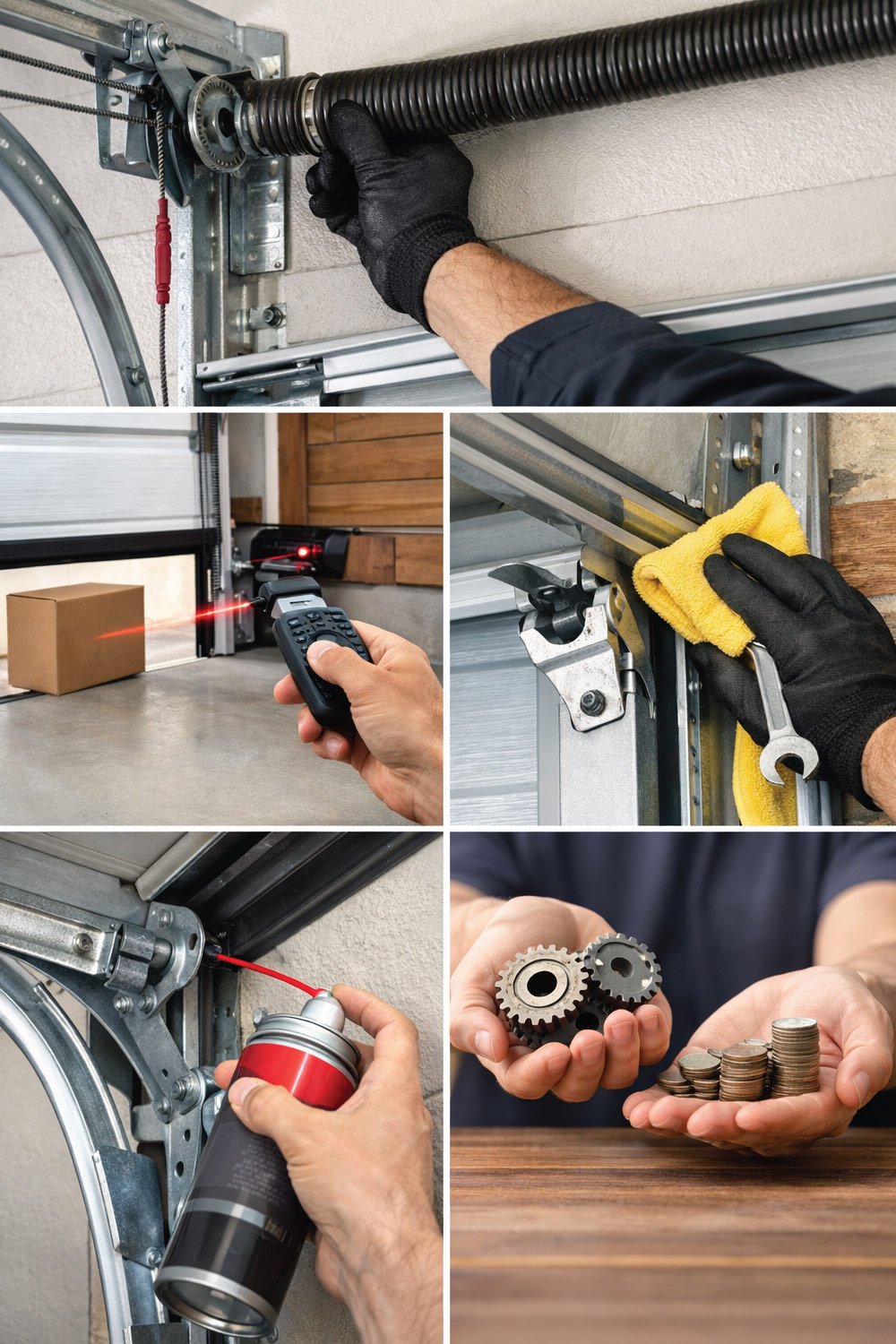
Preventive maintenance means performing scheduled checks and maintenance tasks to keep the garage door in good working condition. It involves examining parts like springs, cables, rollers, and hinges for early signs of wear or damage. By fixing small issues early, you can avoid major mechanical failures and ensure consistent performance of the garage door system.
2. Importance of Safety
Safety is one of the most important reasons for preventive maintenance. Garage doors are heavy and operate under high tension, especially the springs and cables. Regular inspection helps detect dangerous issues before they cause accidents. Testing safety sensors and emergency systems ensures the door responds correctly and protects people and property from harm.
3. Inspection and Cleaning
Inspection and cleaning are essential parts of maintenance. Dust, dirt, and debris can build up in tracks and rollers, affecting movement. Regular cleaning ensures smooth operation, while inspection helps identify rust, cracks, or loose hardware. This combination prevents unnecessary strain on the system and keeps all components functioning properly.
4. Lubrication and Performance
Proper lubrication reduces friction between moving parts such as hinges, rollers, and springs. This helps eliminate noise and ensures smooth operation. Using the right lubricant also prevents rust and wear. When moving parts are well-maintained, the garage door performs more efficiently and places less stress on the opener system.
5. Cost Savings and Longevity
Preventive maintenance helps reduce long-term repair costs by addressing small issues before they become serious problems. Regular care extends the lifespan of springs, cables, rollers, and the opener. Instead of expensive emergency repairs or replacements, homeowners benefit from a reliable and cost-effective garage door system that lasts for years.
Tools & Supplies You will Need
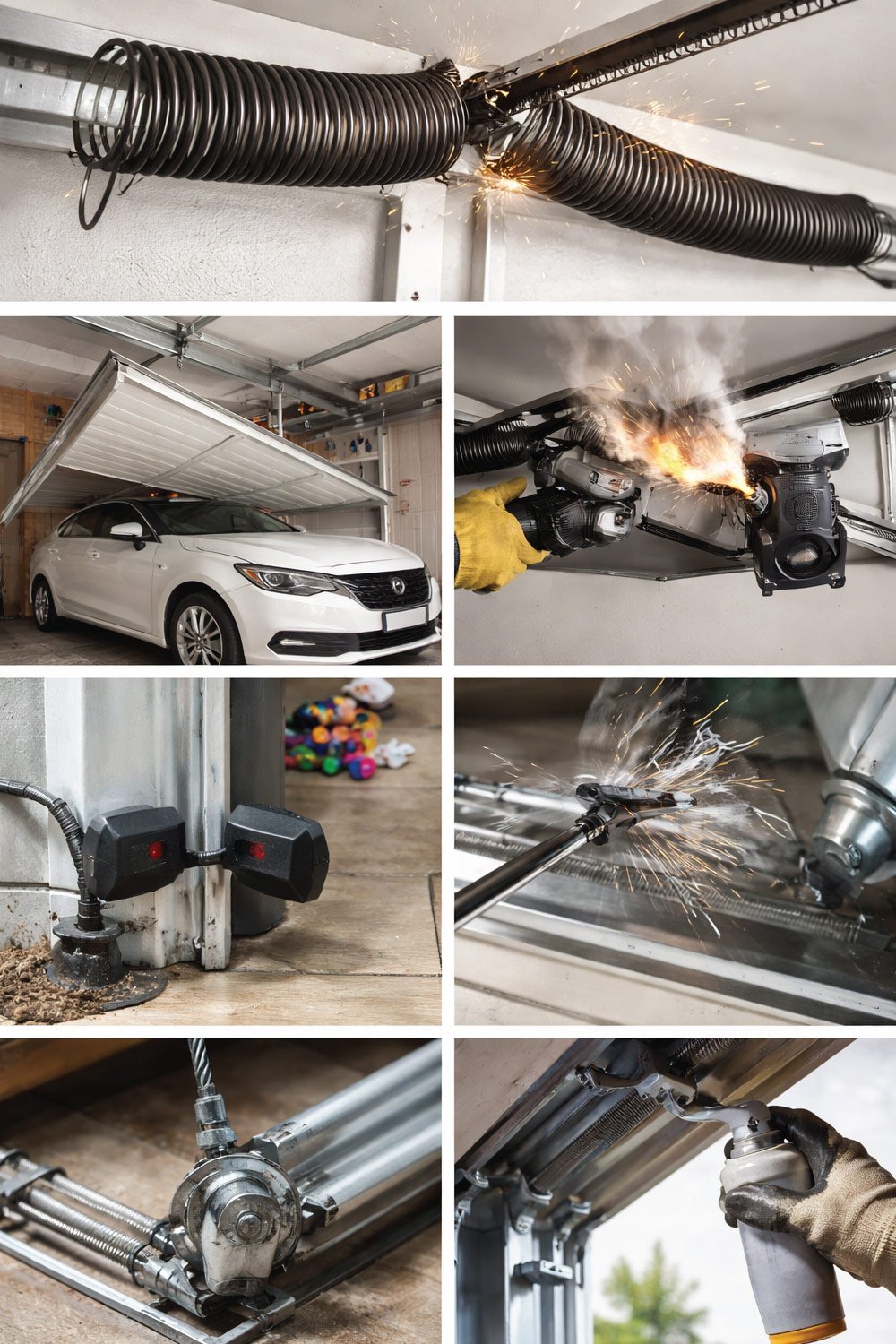
Garage door preventive maintenance does not require expensive or specialized tools. Most of the tasks can be completed using simple household items that help you clean, inspect, and lubricate different parts of the system safely and effectively. Having the right supplies ready makes the maintenance process smoother, quicker, and more efficient for homeowners.
1- Clean Cloth or Microfiber Rag
A clean cloth or microfiber rag is essential for wiping dust, grease, and dirt from garage door components. It helps keep tracks, hinges, and rollers clean without leaving scratches or residue. Regular wiping improves performance and ensures that lubricants work effectively on properly cleaned surfaces.
2- Soft Brush (Old Toothbrush Works)
A soft brush, such as an old toothbrush, is useful for cleaning tight spaces and removing debris from rollers, hinges, and tracks. It helps loosen dirt buildup in hard-to-reach areas without damaging sensitive parts. This ensures smooth movement and prevents blockages that can affect door operation.
3- Step Ladder
A sturdy step ladder is important for safely reaching higher parts of the garage door system, such as tracks, springs, and hinges. It provides stability while performing inspections or cleaning tasks. Always place the ladder on a flat surface to avoid accidents during maintenance work.
4- Silicone Spray or White Lithium Grease
Silicone spray and white lithium grease are ideal lubricants for garage door systems. They reduce friction, prevent rust, and ensure smooth movement of hinges, rollers, and springs. These lubricants last longer and perform better than general-purpose oils, providing reliable and quiet door operation.
5- Mild Soap and Water
A mixture of mild soap and water is perfect for cleaning garage door surfaces and removing grime. It helps maintain the appearance of the door while preventing buildup that can lead to corrosion or damage. Avoid harsh chemicals that may harm the door’s finish.
6- Safety Gloves and Safety Glasses
Safety gloves and glasses protect your hands and eyes from dust, sharp edges, and accidental splashes during maintenance. Wearing proper safety gear ensures that you can perform inspections and cleaning tasks confidently and without risk of injury.
Important Note: Avoid WD-40
WD-40 should not be used as a long-term lubricant for garage doors. While it is effective for cleaning and loosening rusted parts, it does not provide lasting lubrication. Over time, it evaporates and leaves parts unprotected, which can lead to increased friction and wear.
Essential Safety Rules Before You Start
Safety should always be the top priority before beginning any garage door maintenance. Because garage door systems operate under high tension and involve heavy moving parts, even small mistakes can lead to serious injuries or equipment damage if proper precautions are not taken.
Before starting, always close the door fully, disconnect the opener, and keep children and pets away from the work area. Never attempt to adjust springs or cables yourself, as they are under extreme tension and require professional handling for safety.
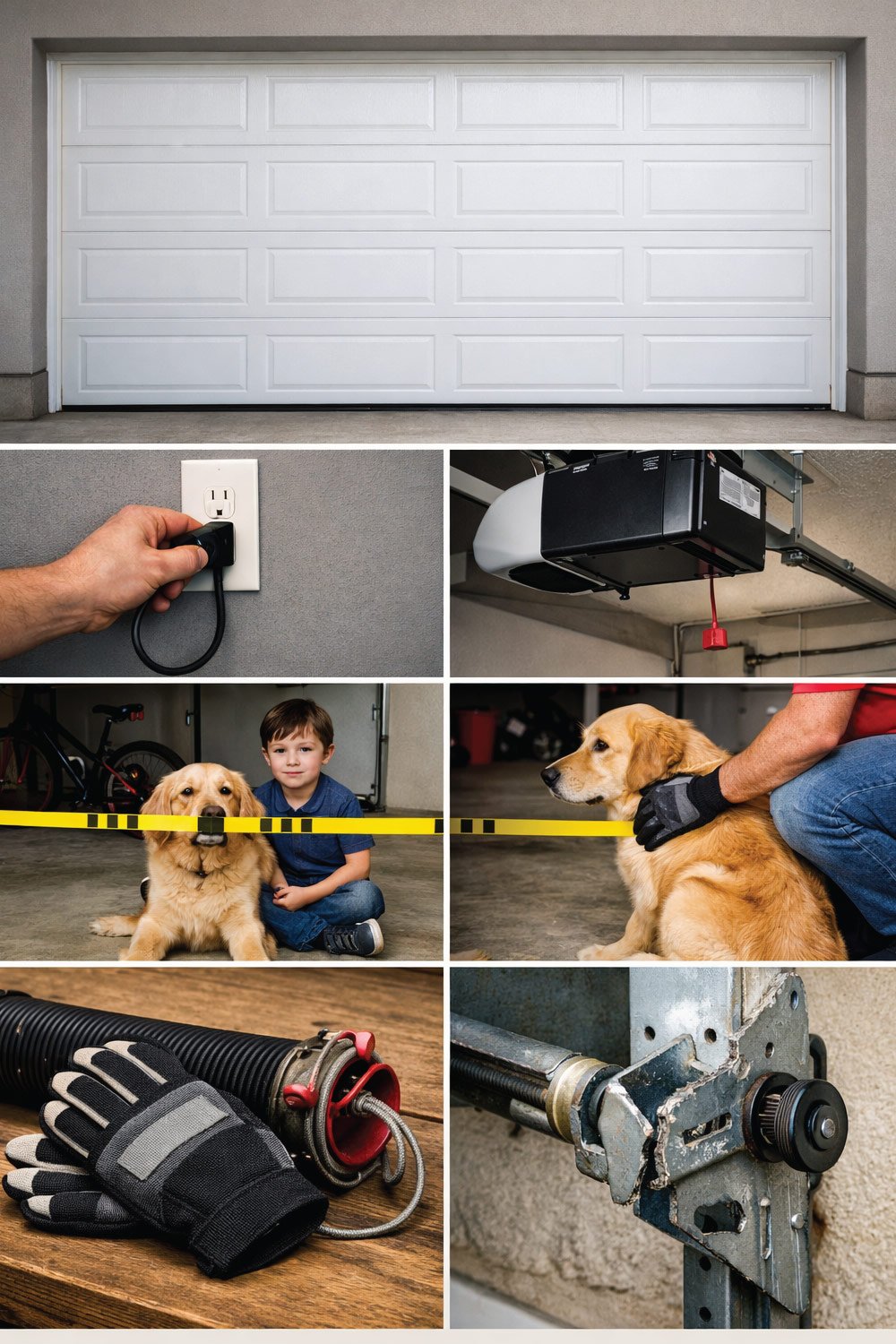
Close the garage door fully
Disconnect the garage door opener
Keep children and pets away
Wear gloves and eye protection
Never loosen or adjust springs or cables
If something looks broken or severely worn, stop and call a professional.
👉 How to Maintain Your Garage Door (Complete Checklist) gives you a step-by-step guide to keep your garage door in top condition. From inspection to lubrication, follow this easy checklist to avoid costly repairs. Don’t miss these essential tips—read the full post and keep your garage door running smoothly!
Step-by-Step Garage Door Preventive Maintenance Guide
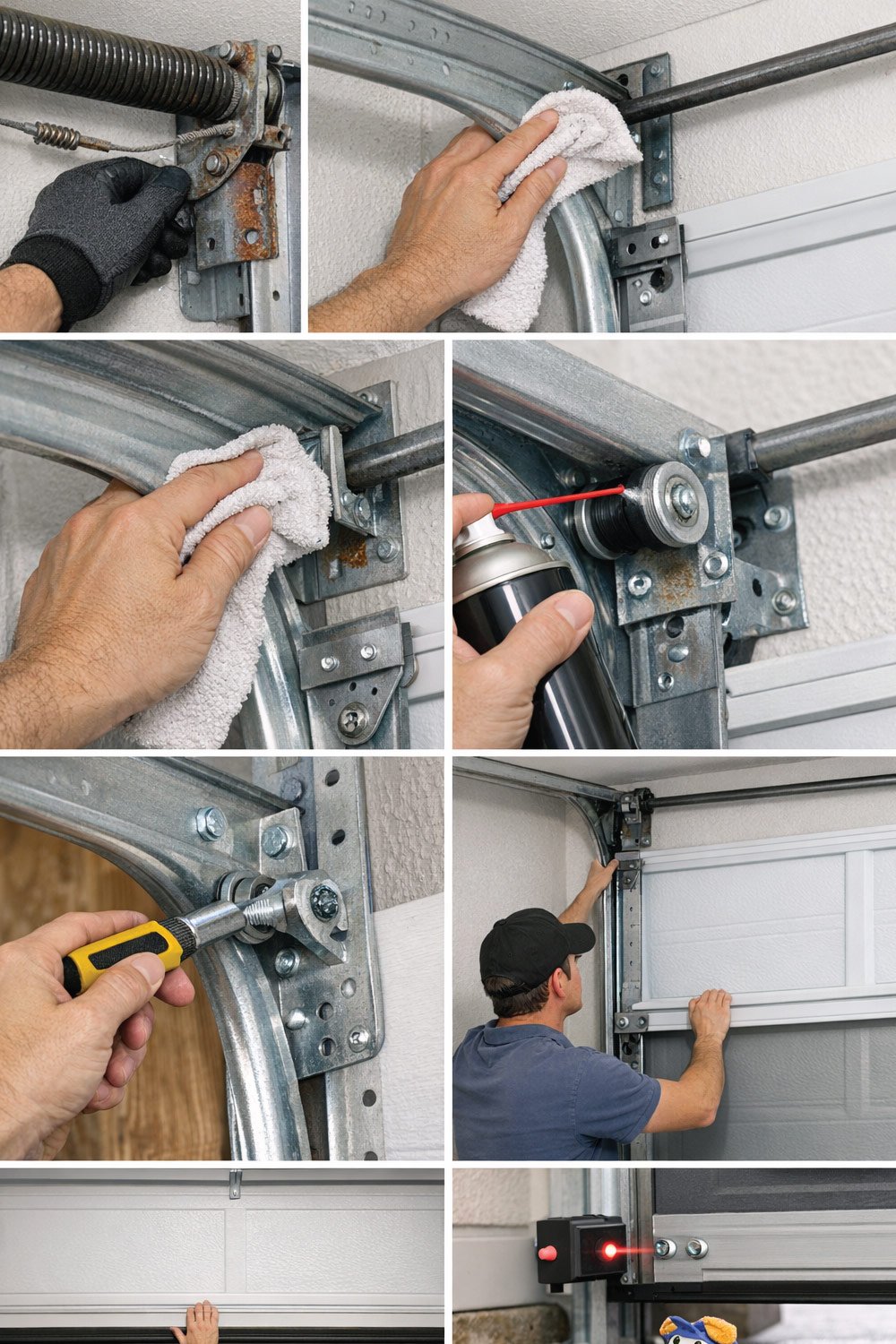
Step 1: Perform a Visual Safety Inspection
A visual inspection is the first and most important step in garage door maintenance. It helps you identify early signs of wear or damage before they turn into serious mechanical problems. Always begin with the garage door fully closed so all components are stable and easy to observe.
Carefully check springs, hinges, rollers, cables, and brackets for rust, cracks, fraying, or looseness. Even small issues like slight cable wear or a bent track can indicate a developing failure that needs attention.
Look for:
Rust on springs, hinges, or rollers
Frayed or damaged cables
Loose bolts or brackets
Bent tracks or worn rollers
Safety tip: If cables appear damaged, do not touch them. They are under extreme tension.
Step 2: Clean the Tracks (Do NOT Lubricate)
Cleaning the tracks is essential because dirt, dust, and debris can interfere with smooth door movement. When buildup accumulates, it forces the rollers to work harder, increasing strain on the entire system and reducing efficiency over time.
Use a dry cloth or mild soap solution to wipe the inside of the tracks and remove all debris. Avoid lubricating the tracks, as they are designed for rollers to glide—not slide—which means grease can actually make the problem worse.
How to clean safely:
Wipe tracks with a dry cloth
Remove dust, leaves, and debris
Use mild soap if needed
Dry completely
Never grease tracks—rollers are designed to roll, not slide.
Step 3: Lubricate All Moving Parts Properly
Proper lubrication reduces friction, prevents noise, and extends the life of moving components. It is one of the most effective ways to keep your garage door operating smoothly and quietly over time.
Apply a thin layer of lubricant to hinges, roller bearings, springs, and lock mechanisms. After applying, open and close the door a few times to ensure the lubricant spreads evenly across all moving parts.
Lubricate:
Hinges (pivot points)
Rollers (bearings only)
Springs (light coating)
Lock mechanisms
Apply a thin, even coat. Open and close the door 2–3 times to distribute lubricant.
Step 4: Tighten Loose Hardware
Because garage doors move multiple times a day, vibration can gradually loosen bolts, screws, and brackets. If left unchecked, this can lead to misalignment or unnecessary strain on key components.
Inspect and tighten hinge screws, roller mounts, and track brackets until they are secure. Be careful not to overtighten, as excessive force can strip threads or damage metal parts.
Check and tighten:
Hinge screws
Track brackets
Roller mounts
Tighten until snug—over-tightening can damage components.
Step 5: Test Garage Door Balance (Safety Check)
A balanced garage door is crucial for safe and efficient operation. If the door is unbalanced, it puts extra stress on the opener and can lead to premature wear or sudden failure.
Disconnect the opener and manually lift the door halfway, then release it gently. If it stays in place, it is balanced; if it moves up or down, the system is unbalanced and should be checked by a professional.
How to test:
Disconnect the opener
Lift the door halfway manually
Release carefully
Stays in place → Balanced
Falls or rises quickly → Call a professional
Step 6: Test Safety Sensors & Auto-Reverse
Safety sensors are designed to prevent accidents by stopping or reversing the door when an obstruction is detected. These features are essential for protecting people, pets, and vehicles.
Test the system by placing an object under the closing door or interrupting the sensor beam. The door should immediately stop or reverse—if it does not respond correctly, stop using the system until it is repaired.
Test by:
Placing an object under the door (it should reverse)
Interrupting the sensor beam (door should stop)
If the door does not respond correctly, stop using it until repaired.
👉 How to Lubricate Garage Door Springs Safely Guide helps you protect your garage door system with proper lubrication techniques. Learn safe, step-by-step methods to reduce noise, prevent rust, and avoid damage. Don’t risk costly mistakes—read the full guide and keep your garage door operating smoothly and safely!
Preventive Maintenance Safety Checklist (Introduction)
Preventive maintenance safety checklist is a simple guide designed to help homeowners inspect, clean, and maintain their garage door system safely and effectively.
It ensures that every important component is checked regularly to prevent accidents, improve performance, and extend the life of the door.
Following this checklist helps you identify early warning signs, avoid costly repairs, and keep your garage door operating smoothly, quietly, and safely throughout the year.
Preventive Maintenance Safety Checklist
- Perform a full visual inspection of springs, cables, hinges, and rollers
- Check for rust, cracks, frayed cables, or loose hardware
- Clean garage door tracks and remove dust, dirt, and debris
- Lubricate moving parts such as hinges, springs, and rollers properly
- Tighten all bolts, screws, and brackets securely
- Test garage door balance by lifting it manually halfway
- Inspect safety sensors and ensure auto-reverse function works correctly
- Check weather stripping for cracks or wear and replace if needed
- Test garage door opener, remote, and wall controls for proper function
- Ensure emergency release cord operates smoothly
- Listen for unusual noises during operation
- Stop using the door immediately if any serious issue is detected
Following this checklist regularly helps maintain safety, prevent unexpected failures, and ensure long-lasting, reliable garage door performance.
Common Preventive Maintenance Mistakes (Avoid These)
Preventive maintenance is essential for keeping a garage door safe, smooth, and long-lasting, but incorrect practices can create serious problems instead of solving them.
Many homeowners unintentionally use the wrong products, skip important inspections, or try to repair high-risk components without proper knowledge.
These mistakes can lead to equipment damage, reduced performance, or even safety hazards. Understanding what to avoid is just as important as knowing what to do when maintaining your garage door system.
1- Using WD-40 Instead of Proper Lubricant
One of the most common mistakes is using WD-40 as a lubricant. While it helps clean and loosen rust, it does not provide long-term lubrication. Over time, it dries out and leaves parts unprotected, which can increase friction and wear. Always use proper garage door lubricants like silicone spray or white lithium grease.
2- Over-Lubricating Moving Parts
Applying too much lubricant may seem helpful, but it actually attracts dust and dirt. This buildup can cause sticky movement and reduce efficiency. A light, even coating is enough to keep parts working smoothly without creating residue or long-term maintenance issues.
3- Lubricating Garage Door Tracks
Tracks are often mistakenly greased, but they are designed to remain clean and dry. Lubricating them can cause rollers to slip instead of roll properly, leading to misalignment and poor performance. Always clean tracks instead of applying grease or oil.
4- Ignoring Rust or Cable Damage
Rust, frayed cables, or worn components should never be ignored. These are early warning signs of failure and can quickly turn into dangerous situations. Addressing these issues early or replacing damaged parts ensures safe and reliable operation.
5- Attempting Spring Adjustments
Garage door springs are under extreme tension and are highly dangerous to adjust without professional training. Attempting DIY repairs can result in serious injury or further damage to the system. These components should always be handled by a qualified technician.
6- Final Safety Reminder
Springs and cables are professional-only components. Avoiding these common mistakes helps ensure your garage door remains safe, efficient, and long-lasting while preventing unnecessary risks and costly repairs.
DIY vs Professional Garage Door Maintenance
Garage door maintenance includes a mix of simple tasks that homeowners can safely handle and high-risk repairs that should always be left to trained professionals.
Knowing the difference is important because it helps prevent injuries, avoids costly mistakes, and ensures your garage door system continues to operate safely and efficiently.
While basic cleaning and inspection can be done at home with minimal tools, components like springs and cables operate under extreme tension and require specialized knowledge. This guide clearly separates what you can do yourself from what should always be handled by a professional technician.
| Task | DIY Safe? | Reason |
|---|---|---|
| Cleaning tracks | Yes | Low risk |
| Lubricating hinges/rollers | Yes | Safe with proper lubricant |
| Tightening bolts | Yes | Basic tools |
| Testing sensors | Yes | Essential safety check |
| Replacing rollers | Professional recommended | Alignment risk |
| Adjusting springs | No | Extreme tension danger |
| Fixing cables | No | Severe injury risk |
How Often Should Preventive Maintenance Be Done?
Preventive maintenance for a garage door should be performed on a regular schedule to ensure safe, smooth, and long-lasting operation. Consistent care helps identify early signs of wear, prevents unexpected breakdowns, and reduces the risk of costly repairs.
By following a structured maintenance routine, homeowners can keep all components—such as springs, rollers, hinges, and the opener, in proper working condition throughout the year.
1- Monthly: Quick Visual and Sound Check
A quick monthly inspection helps detect early warning signs before they become serious issues. Listen for unusual noises such as grinding, squeaking, or rattling during operation. Visually check springs, cables, and rollers for obvious wear or damage. This simple routine only takes a few minutes but plays a key role in maintaining safety and performance.
2- Every 6 Months: Full Preventive Maintenance
Every six months, a complete maintenance routine should be performed. This includes cleaning tracks, lubricating moving parts, tightening hardware, and checking overall alignment. At this stage, small issues can be corrected before they develop into major mechanical failures. Regular six-month maintenance ensures the garage door continues operating smoothly and efficiently.
3- Annually: Deep Inspection and Balance Test
Once a year, a detailed inspection should be carried out to evaluate the overall condition of the system. This includes testing the door balance, inspecting safety sensors, and examining all major components for wear. A proper balance test ensures the opener is not under unnecessary strain, helping extend the system’s lifespan.
4- High-Use Garages or Harsh Environments
Garage doors that are used frequently or exposed to extreme weather conditions require more frequent maintenance. Dust, moisture, and heavy usage can speed up wear and tear. In such cases, inspections and lubrication should be done more often to maintain reliable performance and prevent premature damage.
5- Final Note
Following a regular maintenance schedule ensures your garage door remains safe, quiet, and efficient. Consistent care not only prevents sudden failures but also extends the life of the entire system, making it a smart long-term investment for every homeowner.
👉 How to Lubricate Garage Door Hinges for Quiet Operation teaches you simple steps to eliminate squeaks and keep your garage door running smoothly. Learn the right lubrication methods to reduce friction and wear. Don’t ignore small noises—read the full post and enjoy a quieter, longer-lasting garage door system!
Benefits of Preventive Garage Door Maintenance
Regular preventive maintenance offers several important long-term advantages that improve both safety and performance. By keeping all components in good condition, you reduce strain on the system and ensure smoother daily operation.
Consistent maintenance increases safety for your family and pets, reduces noise during operation, extends the lifespan of critical parts like springs and rollers, and helps prevent sudden failures that lead to costly emergency repairs.
Increased safety for family and pets
Quieter, smoother operation
Longer lifespan of springs, rollers, and opener
Fewer emergency repairs
Lower overall maintenance costs
Preventive care always costs less than emergency repairs.
Warning Signs That Require Immediate Professional Help
Some garage door problems are too dangerous to fix on your own and require immediate attention from a trained technician. Recognizing these warning signs early can prevent serious accidents and further damage to the system.
If you notice broken or stretched springs, frayed or snapped cables, a door that slams shut, comes off its track, or produces loud grinding or popping noises, you should stop using the system immediately. These issues indicate serious mechanical failure and should only be handled by a professional.
Broken or stretched springs
Frayed or snapped cables
Door slamming shut
Door coming off track
Loud grinding or popping noises
These issues are serious safety hazards.
Final Thoughts
Learning how to perform garage door preventive maintenance is one of the smartest home safety habits you can develop. It doesn’t require advanced skills, just awareness, consistency, and respect for safety rules. By following this preventive maintenance routine, you protect your home, reduce repair costs, and ensure your garage door remains safe, reliable, and smooth operating for years to come.
FAQs:
How often should I maintain my garage door?
Honestly, I check my garage door lightly every month and do a proper maintenance routine every 3–4 months. Seasonal checks also help a lot. This way, small issues don’t turn into big, expensive problems, and the door keeps working smoothly without sudden surprises.
What basic maintenance can I do myself at home?
From my experience, simple things like cleaning the tracks, lubricating moving parts, and checking for loose bolts are easy to do at home. You don’t need special skills for these. Just a little time and attention can keep the garage door running quietly and smoothly.
Why is lubrication so important for garage doors?
Lubrication really makes a big difference. Without it, parts start rubbing, making noise and wearing out faster. I usually apply lubricant every few months, and it instantly improves movement and reduces squeaking. It also helps protect parts from rust and long-term damage.
What are the warning signs of garage door problems?
In my case, I always watch for strange noises, slow movement, or shaking while opening. These are clear signs something is not right. If the door feels heavier than usual or doesn’t close properly, it’s better to check it early before it becomes a bigger issue.
Is it safe to repair garage door springs myself?
Honestly, I would never recommend doing spring repairs yourself. They are under high tension and can be very dangerous. Even small mistakes can cause serious injury. It’s always safer to call a professional for anything related to springs or cables.
What happens if I ignore garage door maintenance?
From what I have seen, ignoring maintenance usually leads to more noise, poor performance, and eventually costly repairs. Small issues like loose parts or dry rollers slowly get worse. Regular care saves money and keeps the door safe and reliable in the long run.

Engineer Ali Hasan is a garage door expert and the founder of FixFasty. With over 16 years of experience in mechanical systems and home maintenance, he provides practical, step-by-step guides on garage door installation, repairs, and maintenance, helping homeowners keep their garage doors safe, reliable, and long-lasting.