
Your garage door is one of the most hardworking parts of your home. It opens and closes thousands of times a year, protects your vehicles and belongings, and plays a major role in your home’s curb appeal. Yet, it’s often overlooked until something goes wrong.
Seasonal garage door care is not just about preventing breakdowns, it’s about extending the life of your door, improving safety, and avoiding costly repairs. Each season brings unique challenges, from freezing winter temperatures to scorching summer heat. By adjusting your maintenance routine throughout the year, you can keep your garage door running smoothly no matter the weather.
In this guide, we will walk you through season-by-season garage door maintenance, highlight common issues to watch for, and share practical tips homeowners can easily follow.
Why Seasonal Garage Door Maintenance Matters
Garage doors are exposed to constant stress and environmental changes. Temperature shifts cause metal parts to expand and contract, moisture leads to rust, and debris can clog moving components.
Regular seasonal care helps you:
Prevent unexpected breakdowns
Extend the lifespan of springs, rollers, and openers
Improve energy efficiency
Reduce noise and vibration
Maintain home safety and security
Think of it like servicing your car—you wouldn’t drive it for years without maintenance, and your garage door deserves the same attention.
Spring Garage Door Maintenance: Reset After Winter
After a long winter, garage doors often show signs of stress caused by freezing temperatures, moisture buildup, and exposure to road salt. These conditions can lead to rust, stiffness, and reduced performance, making spring the ideal time for a thorough inspection and reset.
Start by carefully checking key components such as springs, cables, and rollers for any visible rust or wear. Winter grime and salt residue can accelerate corrosion, so it’s important to clean the tracks and remove all accumulated dirt and debris to restore smooth operation.
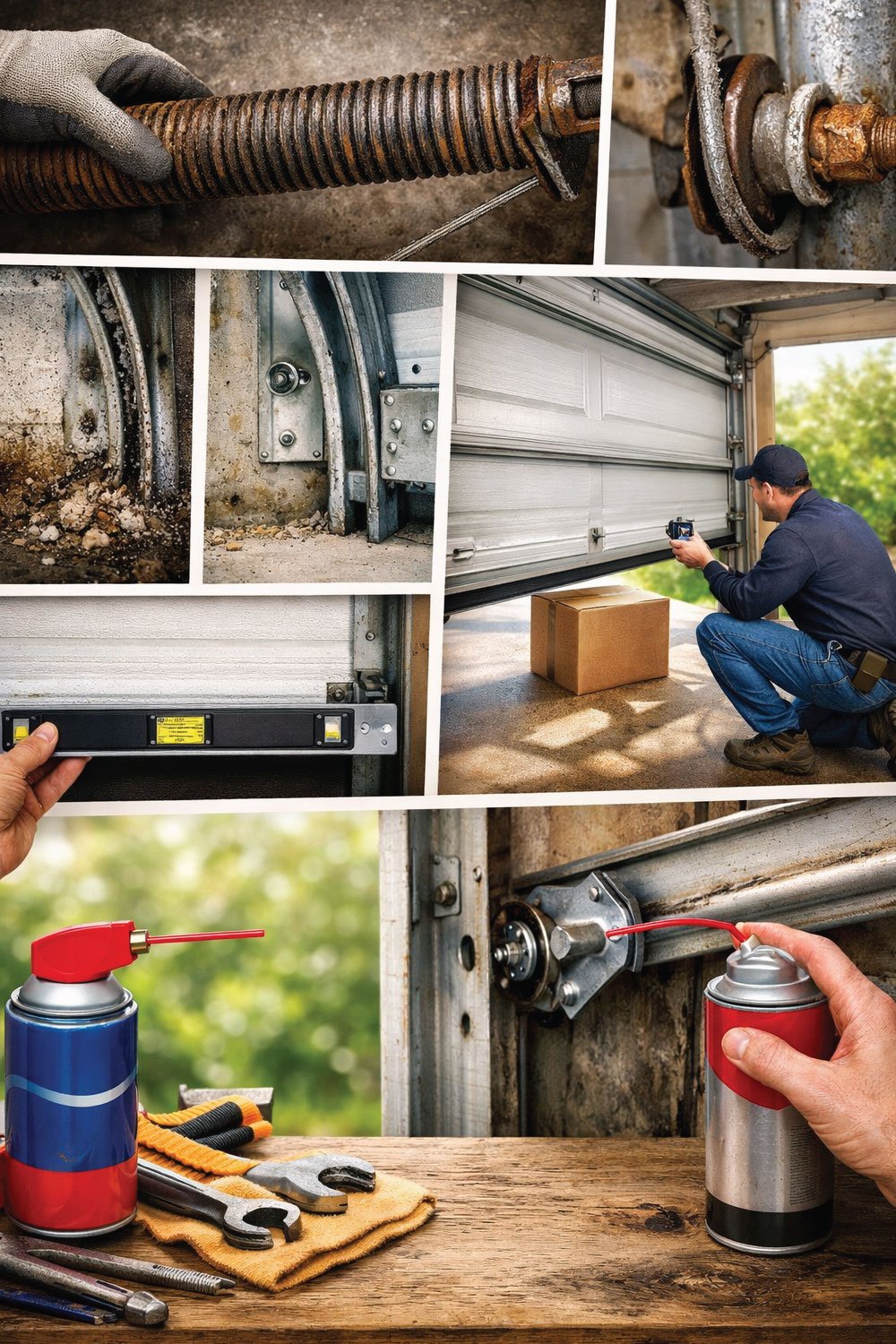
Once everything is clean, test the door’s balance and safety features, including the auto-reverse system. Finish by lubricating all moving metal parts with a garage-door-safe lubricant. Addressing these issues early in the season helps prevent costly repairs during months of heavier use.
Key Spring Maintenance Tasks
Inspect springs, cables, and rollers for rust or wear
Clean tracks to remove dirt, salt, and debris
Test door balance and auto-reverse safety features
Lubricate moving metal parts with garage-door-safe lubricant
Spring maintenance helps you catch small issues before they turn into major repairs during peak usage months.
Summer Garage Door Care: Beat the Heat
Hot weather can put unexpected strain on your garage door system, especially as metal components expand under high temperatures. This expansion can affect alignment and increase wear on parts, while heat can also impact the efficiency of the opener motor.
During summer, inspect the weather stripping around your garage door for signs of cracking or brittleness caused by prolonged sun exposure. Also, check that the opener sensors are properly aligned, as heat and vibrations may shift their position over time.
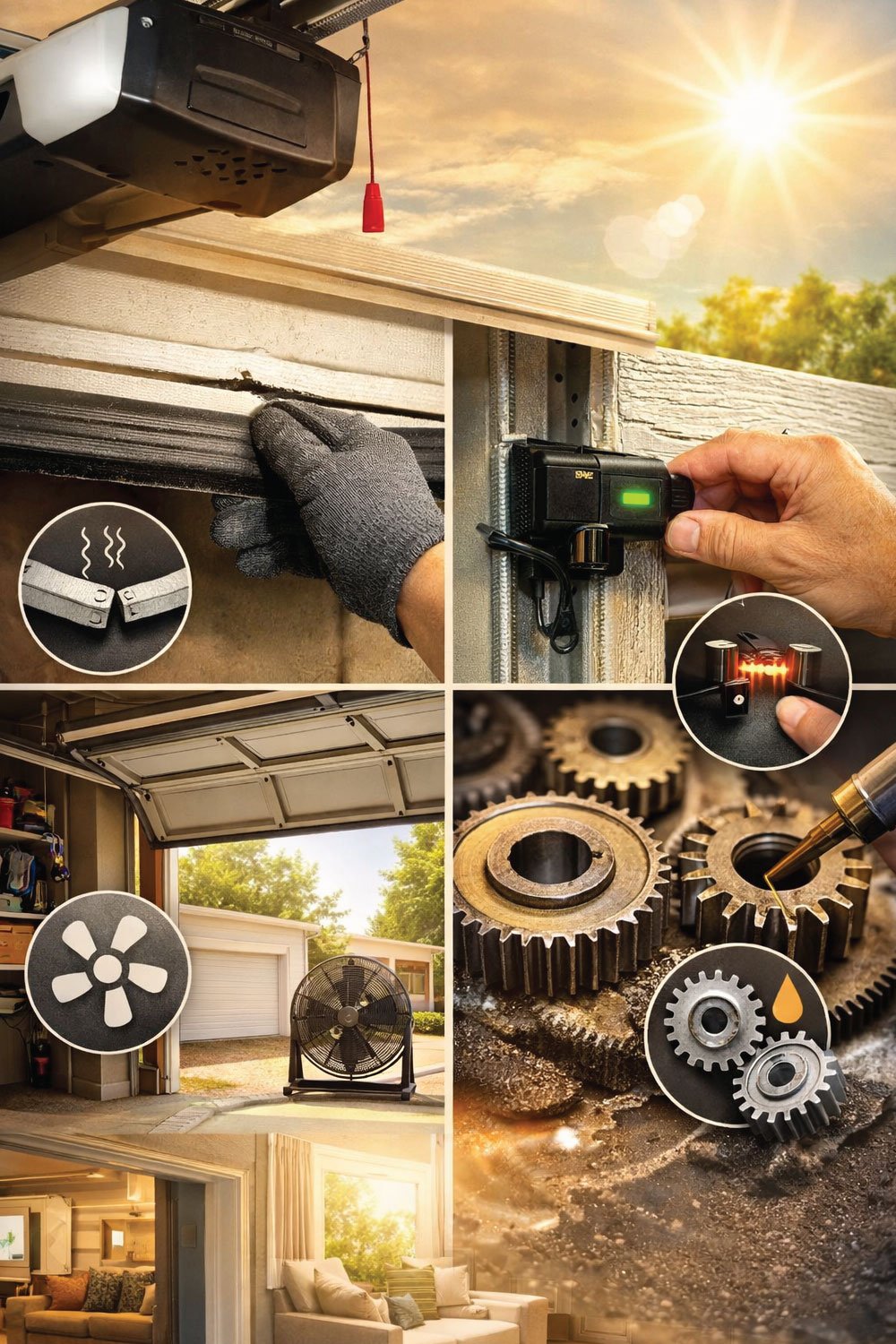
Pay attention to any unusual noises, which can indicate dry or overheating components. Ensuring proper ventilation in your garage is equally important, as it helps protect the opener motor from excessive heat. Regular summer maintenance not only improves performance but also helps keep your home cooler by reducing heat transfer.
Summer Care Tips
Check weather stripping for cracking or brittleness
Inspect opener sensors for misalignment
Listen for unusual noises caused by dry or overheated parts
Ensure proper ventilation in the garage to protect the opener motor
If your garage is attached to your home, summer maintenance can also improve indoor comfort by keeping hot air out.
Fall Garage Door Maintenance: Prepare for Cold Weather
Fall is the ideal time to get your garage door ready for the challenges of colder months ahead. As temperatures begin to drop, components can become less flexible, and small issues may worsen if left unaddressed. Preparing early helps ensure reliable operation throughout winter.
Start by tightening any loose bolts and hardware that may have shifted over time. Seasonal changes can cause expansion and contraction in metal parts, so keeping everything secure reduces strain on the system. It’s also important to inspect insulation and weather seals to make sure your garage stays protected from cold drafts.
Additionally, test the opener’s force settings to ensure safe and smooth operation, and clear out leaves or debris from the tracks. These simple steps can prevent unexpected breakdowns and help you avoid emergency repairs when temperatures are at their lowest.
Fall Maintenance Checklist
Tighten loose bolts and hardware
Inspect insulation and seals
Test the opener’s force settings
Remove leaves and debris from tracks
A little effort in the fall can save you from emergency repairs in the middle of winter.
Winter Garage Door Care: Protect Against Freezing Conditions
Winter Protection Tips
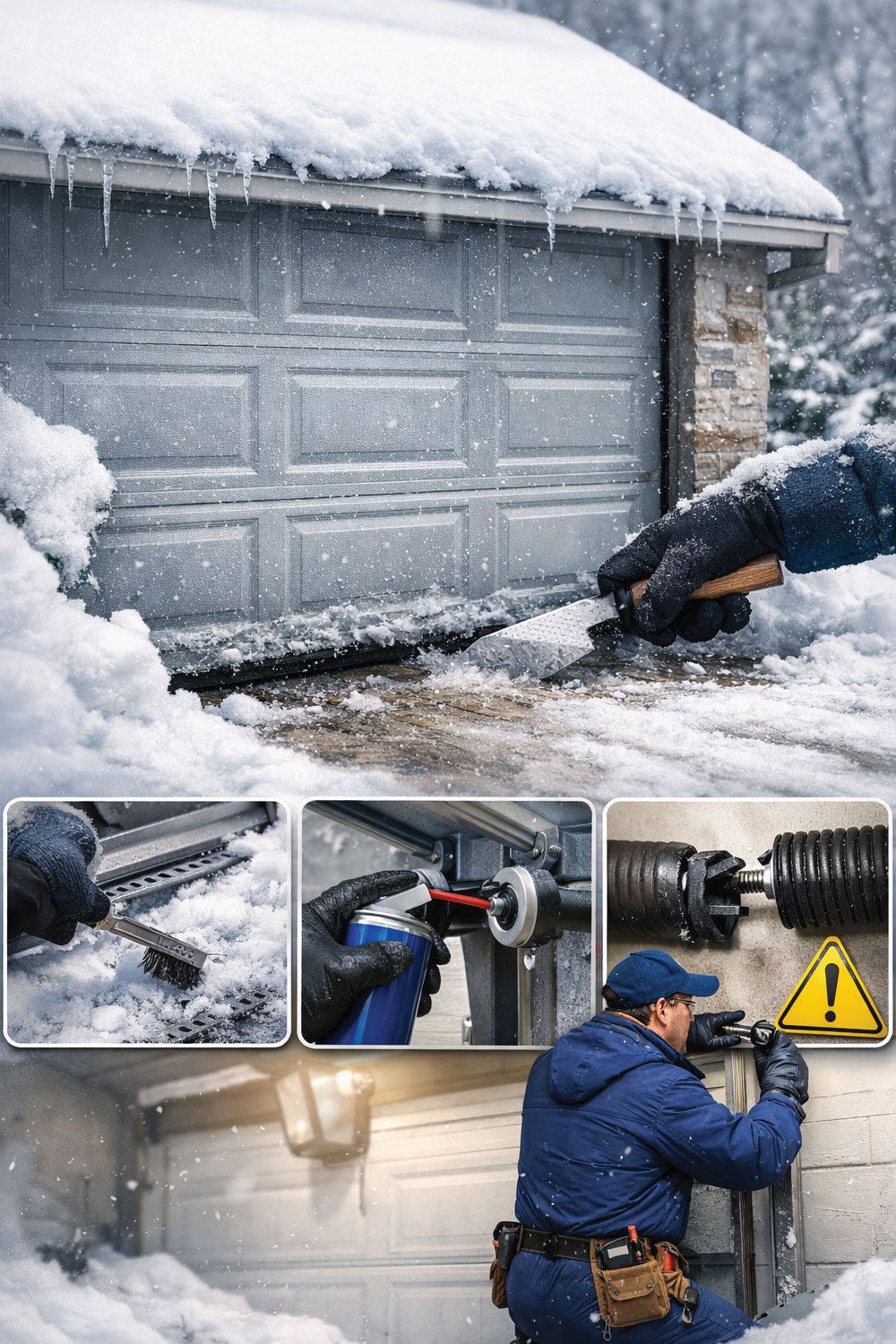
Keep tracks clear of snow and ice
Avoid forcing the door open if it’s frozen to the ground
Use cold-weather lubricant on springs and rollers
Check door operation regularly to spot early issues
Never attempt to repair broken springs in winter—this is a job best left to professionals due to safety risks.
👉 How to Maintain Your Garage Door at Home is your simple guide to keeping your garage door safe, smooth, and long-lasting. Learn easy DIY tips, prevent costly repairs, and improve performance. Don’t miss these essential maintenance steps—read the full post now and keep your garage door working like new!
Seasonal Garage Door Maintenance Overview
Keeping your garage door in top condition requires a year-round approach tailored to changing weather conditions. Each season brings unique challenges, from moisture and heat to cold and debris. Following a structured maintenance plan helps prevent costly repairs, improves safety, and ensures smooth, reliable operation throughout the entire year.
1- Spring: Damage Inspection & Cleaning
Spring is the perfect time to inspect your garage door for any damage caused by winter conditions. Focus on cleaning tracks, removing debris, and checking springs, cables, and rollers. Testing safety features like auto-reverse ensures everything is functioning properly after months of cold weather stress.
2- Summer: Heat Protection & Performance Check
High temperatures can affect your garage door’s performance, especially metal components and seals. During summer, inspect weather stripping for cracks, lubricate moving parts to prevent friction, and ensure the opener works efficiently. Heat expansion can loosen parts, so a quick check keeps everything stable and quiet.
3- Fall: Winter Preparation & Adjustment
Fall maintenance prepares your garage door for harsh winter conditions. Tighten all hardware, inspect insulation, and clean out dirt or leaves from tracks. Addressing small issues now prevents bigger problems later, ensuring your door operates smoothly when temperatures drop and usage increases.
4- Winter: Cold Weather Protection
Cold weather can cause garage door components to stiffen or freeze. Regularly clear ice and snow around the door, and use cold-rated lubricant to maintain smooth movement. Checking seals helps keep cold air out, protecting both your garage and the door system from winter damage.
5- Year-Round Consistency Matters
Consistent seasonal maintenance keeps your garage door running efficiently and safely. By dividing tasks throughout the year, you avoid sudden breakdowns and extend the lifespan of your system. A proactive approach not only saves money but also ensures peace of mind in every season.
Common Garage Door Problems by Season
Garage door issues often change with the seasons due to temperature shifts, moisture, and daily usage. Understanding these common problems helps you take preventive action early. Regular inspections and timely maintenance reduce repair costs, improve safety, and ensure your garage door operates smoothly all year long.
1- Spring: Rusted Hardware & Misaligned Tracks
After winter, moisture can leave behind rust on metal components and cause tracks to shift. This can lead to noisy or uneven movement. Cleaning and lubricating all parts, along with checking track alignment, helps restore smooth operation and prevents further wear.
2- Summer: Overheated Opener & Cracked Seals
Extreme heat can strain your garage door opener and dry out rubber seals, causing cracks. This reduces efficiency and allows hot air inside. Improving ventilation and replacing worn weather stripping helps maintain performance and protects your garage from heat damage.
3- Fall: Loose Bolts & Worn Rollers
With frequent use, hardware can loosen and rollers may begin to wear out. This can make your garage door shaky or noisy. Tightening bolts and inspecting moving parts during fall ensures your system stays stable and ready for increased winter use.
4- Winter: Frozen Doors & Brittle Springs
Cold temperatures can freeze your garage door to the ground and make springs more brittle. This increases the risk of damage or breakage. Clearing ice buildup and using a winter-grade lubricant keeps parts flexible and prevents sudden failures.
5- Stay Ahead with Seasonal Prevention
By recognizing seasonal garage door problems early, you can avoid unexpected breakdowns and costly repairs. Simple preventive steps each season keep your door reliable, safe, and long-lasting, giving you peace of mind no matter the weather conditions.
👉 How to Extend the Life of Your Garage Door helps you protect your investment with simple, effective maintenance tips. Discover how regular care, lubrication, and inspections can prevent damage and save money. Don’t wait for costly repairs—read the full post and keep your garage door running smoothly for years!
Essential Garage Door Maintenance Tips for Every Season
Regular maintenance isn’t just a seasonal task—some practices should be followed throughout the year to keep your garage door running safely and efficiently. These simple habits help prevent unexpected breakdowns and extend the life of your entire system.
1- Lubrication Is Key
Regular lubrication keeps all moving parts working smoothly and reduces unnecessary wear. Apply a high-quality garage door lubricant to hinges, rollers, springs, and bearings every few months. Avoid grease, as it attracts dirt and debris, which can clog components and reduce overall performance over time.
2- Test Door Balance
A properly balanced garage door is essential for safe and efficient operation. Disconnect the opener and manually lift the door halfway. If it doesn’t stay in place, the springs may be unbalanced. Addressing this early prevents strain on the opener and reduces the risk of sudden damage.
3- Listen for Unusual Sounds
Your garage door often gives early warning signs when something is wrong. Grinding, squeaking, or banging noises usually indicate worn-out parts, loose hardware, or alignment issues. Paying attention to these sounds allows you to fix small problems before they turn into costly repairs or safety hazards.
4- Check Safety Features
Safety features play a critical role in preventing accidents and injuries. Test the auto-reverse system monthly by placing an object in the door’s path. If the door doesn’t reverse immediately, it may need adjustment or repair to ensure proper and safe operation.
5- Stay Consistent with Maintenance
Consistency is the key to long-lasting garage door performance. By following these simple maintenance tips regularly, you can avoid unexpected issues, reduce repair costs, and ensure your garage door remains safe, efficient, and dependable for everyday use.
DIY vs Professional Garage Door Maintenance
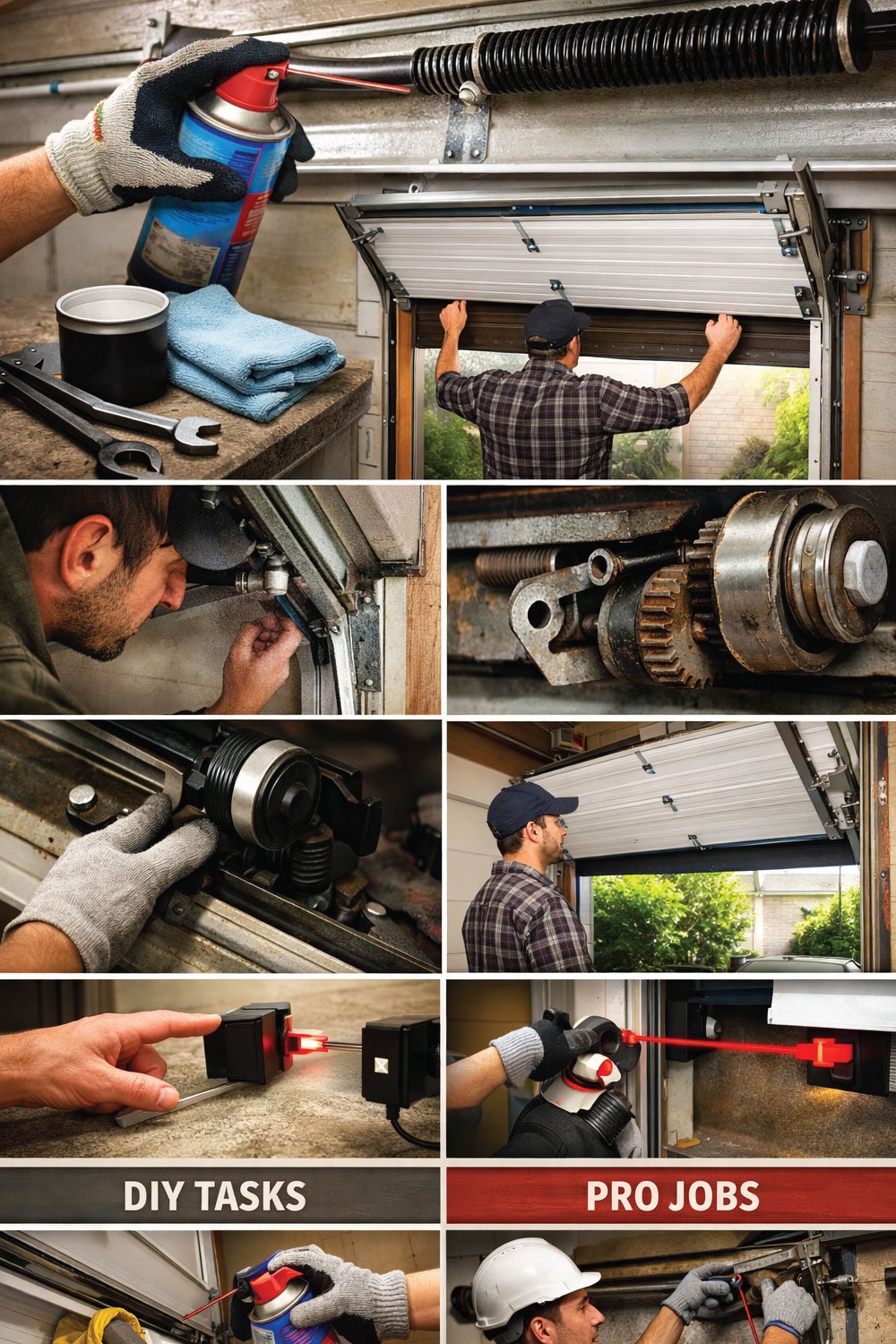
Garage door maintenance includes both simple tasks you can handle yourself and complex repairs that require expert skills. Understanding this difference is essential for safety and efficiency. While DIY care helps with routine upkeep, professional service ensures critical components are repaired correctly without risk of injury or further damage.
1- DIY Tasks You Can Handle Safely
Many basic maintenance tasks are safe and easy for homeowners to perform. Cleaning tracks, lubricating moving parts, and inspecting weather seals help maintain smooth operation. These small efforts prevent dirt buildup, reduce wear, and keep your garage door functioning efficiently without requiring specialized tools or experience.
2- Benefits of DIY Maintenance
Handling minor maintenance yourself saves time and money while keeping your garage door in good shape. Regular DIY care also helps you spot early signs of wear, allowing you to fix small issues before they turn into major problems that could affect performance or safety.
3- Repairs Best Left to Professionals
Some garage door components are under high tension and can be dangerous to handle. Spring replacement, cable repairs, and opener motor issues require proper tools and expertise. Attempting these repairs without training can lead to serious injury or further damage to your system.
4- Risks of Complex DIY Repairs
Trying to fix advanced issues on your own can cause more harm than good. Incorrect repairs may worsen the problem, increase costs, or create safety hazards. High-tension parts like springs can snap unexpectedly, making professional handling the safest and most reliable option.
5- Finding the Right Balance
A smart approach is combining regular DIY maintenance with professional servicing when needed. This balance keeps your garage door running smoothly, extends its lifespan, and ensures safety. Knowing when to step back and call an expert protects both you and your investment.
👉 How to Care for Your Garage Door in Every Season shows you how to protect your garage door year-round with simple seasonal tips. From winter protection to summer maintenance, learn how to prevent damage and keep everything running smoothly. Read the full post to ensure long-lasting performance and safety!
How Seasonal Maintenance Saves Money
Final Thoughts:
Seasonal garage door care isn’t complicated, but it does require consistency. By adjusting your maintenance routine throughout the year, you can protect one of your home’s most important features from unnecessary wear and tear.
A well-maintained garage door not only functions better—it looks better, sounds quieter, and lasts longer. Whether you handle basic upkeep yourself or rely on professional service for complex repairs, staying proactive is the key.
Start small, follow a seasonal checklist, and your garage door will reward you with reliable performance year after year.
FAQs:
How often should I perform seasonal garage door maintenance?
You should inspect and maintain your garage door at least once every season. Regular checks in spring, summer, fall, and winter help identify weather-related issues early. Consistent maintenance prevents costly repairs, improves performance, and ensures your garage door operates safely and smoothly all year.
What is the most important maintenance task for garage doors?
Lubrication is one of the most important maintenance tasks for any garage door. Applying lubricant to moving parts like springs, rollers, and hinges reduces friction and wear. It also ensures quiet operation and extends the lifespan of essential components, especially during extreme seasonal temperature changes.
How do weather changes affect garage door performance?
Weather changes can significantly impact garage door components. Cold temperatures may cause parts to stiffen or freeze, while heat can expand metal and crack seals. Moisture can lead to rust. Seasonal care helps address these issues early and keeps your door functioning reliably in all conditions.
Can I do all garage door maintenance myself?
Not all garage door maintenance tasks are safe for DIY handling. While cleaning, lubrication, and visual inspections are manageable, complex repairs like spring or cable replacement require professional expertise. Handling high-tension components without proper tools can be dangerous and should always be avoided.
What are signs that my garage door needs immediate attention?
Common warning signs include unusual noises, slow or uneven movement, sagging sections, and failure of safety features. If your garage door doesn’t open or close properly, it’s important to inspect it immediately. Addressing these issues early prevents further damage and ensures safe daily operation.

Engineer Ali Hasan is a garage door expert and the founder of FixFasty. With over 16 years of experience in mechanical systems and home maintenance, he provides practical, step-by-step guides on garage door installation, repairs, and maintenance, helping homeowners keep their garage doors safe, reliable, and long-lasting.