
Garage doors are one of the largest moving parts in any home, yet they here often taken for granted. We open and close them multiple times a day without thinking twice about how they work or the potential risks they carry. A malfunctioning or poorly maintained garage door can pose serious safety hazards not just to your property, but also to your family and pets.
The good news is that keeping your garage door safe does not require expert-level knowledge or expensive tools. With a bit of awareness and regular maintenance, you can prevent most common accidents and extend the life of your system. Below are practical, easy-to-follow garage door safety tips every homeowner should know.
1. Keep the Remote Out of Reach of Children
Garage door remotes may appear harmless and convenient for adults, but children often perceive them as interesting gadgets or toys. When kids play with them, they may unintentionally activate the garage door, leading to unexpected movements that can cause injuries, property damage, or safety risks.
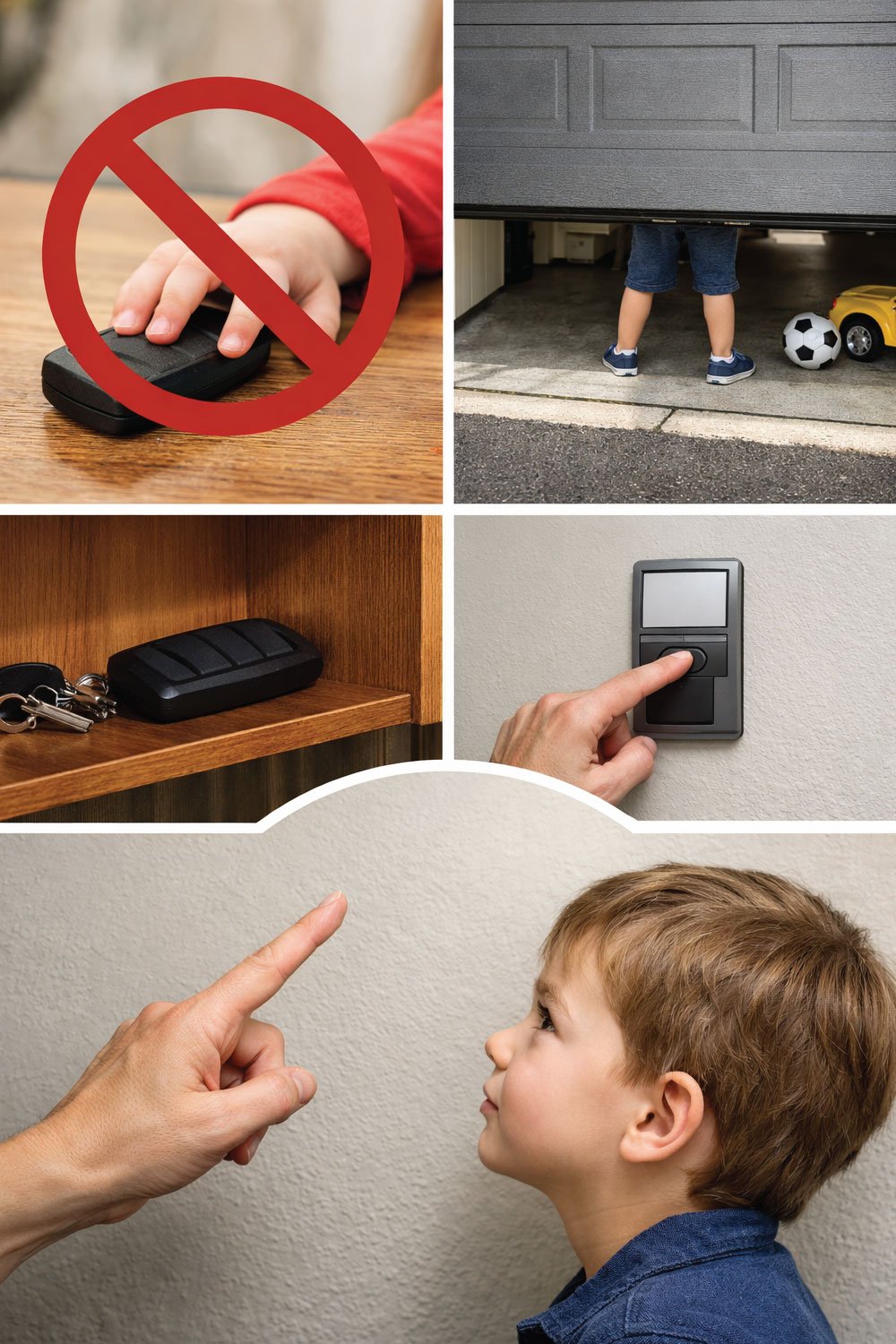
Garage door remotes may seem harmless, but to a child, they can feel like a toy. Allowing kids to play with remotes can lead to accidental openings or closings, which may cause injury or damage.
Store remotes in a secure place preferably somewhere children can’t access. If your wall mounted control panel is within reach, consider relocating it higher up. Teaching children that the garage door is not a toy is just as important as physically limiting access.
2. Test the Auto-Reverse Feature Regularly
Modern garage doors are equipped with an auto reverse mechanism designed to prevent accidents. If the door encounters an object while closing, it should automatically reverse direction. This safety feature is essential for protecting people, pets, and property from being trapped or injured during operation.
Modern garage doors are equipped with an auto-reverse mechanism designed to prevent accidents. If the door encounters an object while closing, it should automatically reverse direction.
You can test this feature easily by placing a small object like a piece of wood or a brick on the ground where the door would close. When the door touches the object, it should immediately reverse. If it does not, your system needs adjustment or repair.
This simple test can make a big difference in preventing injuries, especially for children and pets.
3. Inspect the Safety Sensors
Garage doors rely on photo eye sensors placed near the bottom of the tracks to ensure safe operation. These sensors create an invisible beam across the doorway that detects any object, person, or pet in the path, preventing the door from closing and reducing the risk of accidents or injuries.
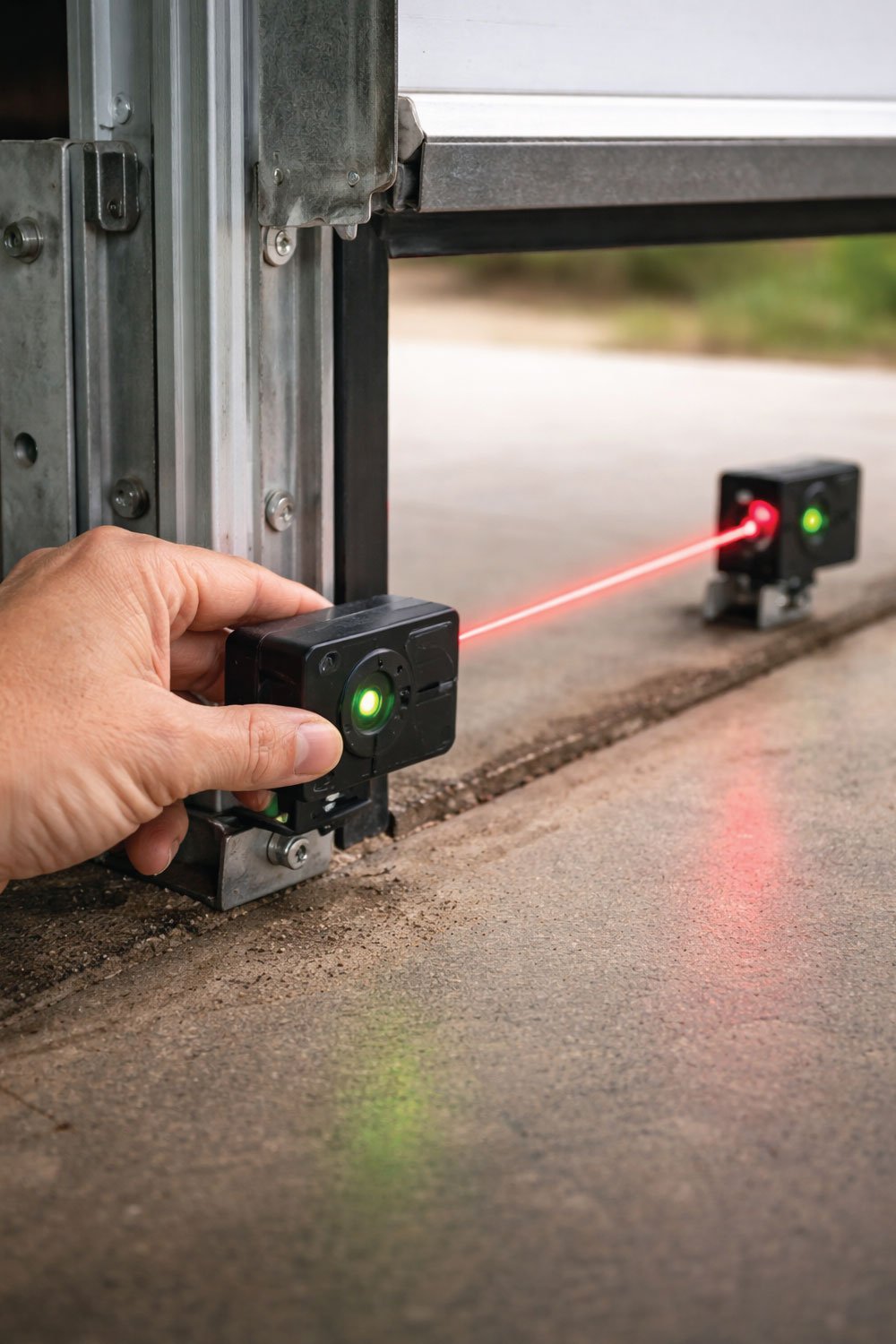
Garage doors typically use photo-eye sensors located near the bottom of the door tracks. These sensors detect objects in the door’s path and prevent it from closing.
Make sure the sensors are:
Clean (dust or debris can block the signal)
Properly aligned (both lights should be steady, not blinking)
Free from obstructions
If the sensors aren’t working correctly, the door may fail to stop when something is in its path a serious safety risk.
4. Perform Visual Inspections Monthly
A monthly visual inspection is a simple but highly effective way to maintain garage door safety and performance. You don’t need technical skills just a careful eye to notice early signs of wear or damage. Catching issues early can prevent costly repairs and reduce the risk of sudden mechanical failure.
You don’t need to be a technician to spot potential issues. A simple visual inspection once a month can help you catch problems early.
Look for:
Frayed or worn cables
Rusted or broken springs
Loose bolts or hardware
Bent tracks
If anything looks damaged or out of place, avoid using the door until it’s been checked. Some components, like springs, are under high tension and should only be handled by professionals.
5. Listen for Unusual Noises
Garage doors typically make some operational noise, but they should run smoothly without harsh or alarming sounds. When you start hearing grinding, squeaking, rattling, or banging, it usually signals that something is worn out or not functioning correctly and needs attention before it worsens.
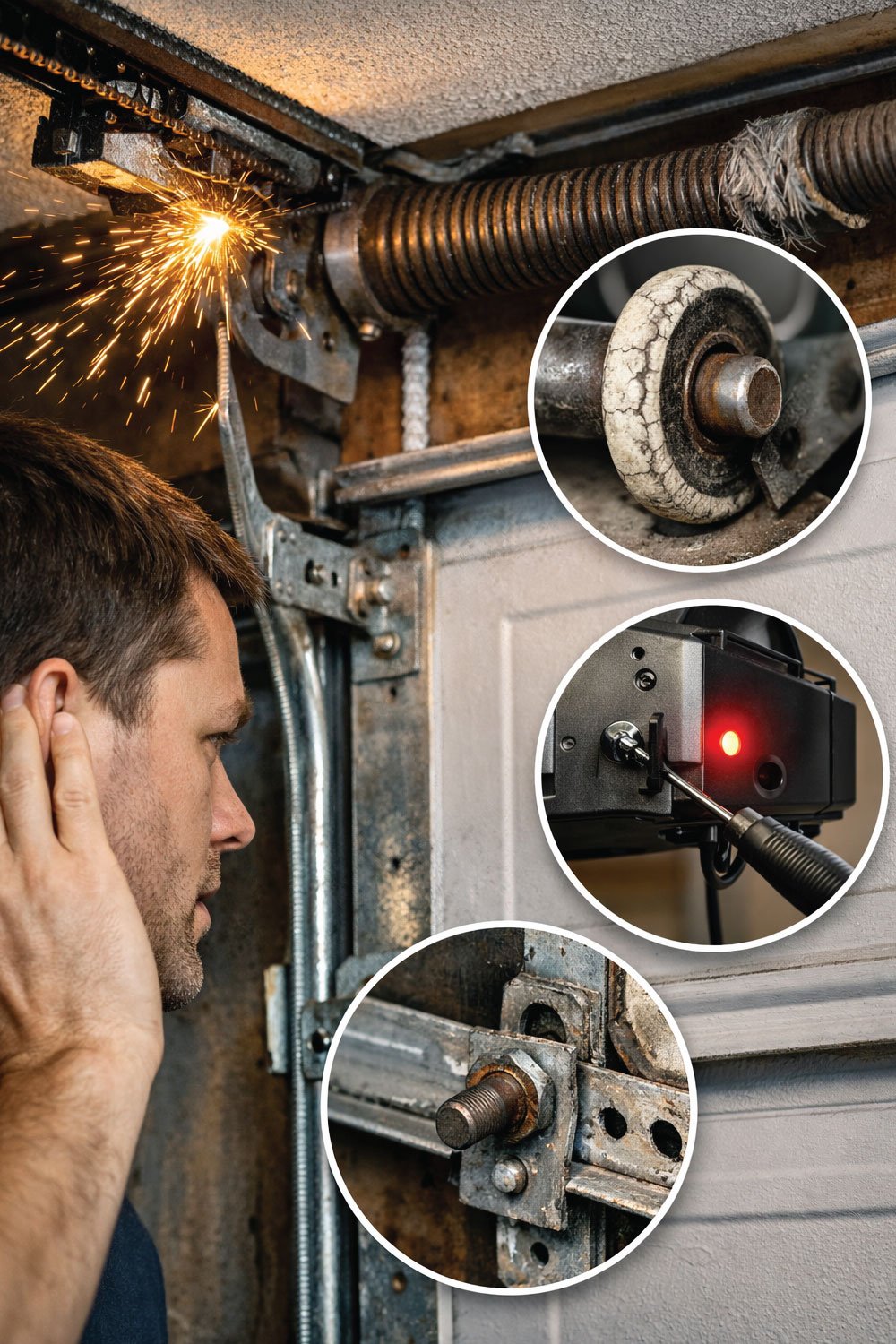
Garage doors are not silent, but they should not be excessively noisy either. Grinding, squeaking, or banging sounds can indicate a problem.
Unusual noises may point to:
Lack of lubrication
Worn rollers
Loose hardware
Motor issues
Addressing these sounds early can prevent bigger, more expensive problems down the line and reduce the risk of sudden failure.
6. Keep Fingers Away from Moving Parts
Garage doors move with significant force, and even a small lapse in attention can lead to painful injuries. Many accidents happen when fingers or hands accidentally come into contact with hinges, joints, or panels while the door is moving up or down.
It sounds obvious, but many injuries happen because fingers get caught in moving sections of the door. The panels can pinch or crush fingers when the door is in motion.
Teach everyone in your household to:
Never touch the door while it is moving
Avoid placing hands near hinges or tracks
Stand clear until the door is fully open or closed
Some modern doors come with pinch-resistant panels, but caution is still essential.
7. Do not Try to Repair Springs Yourself
Garage door springs are extremely tight components that store a large amount of tension, making them one of the most dangerous parts of the system. Improper handling can lead to severe injuries, so DIY repairs are strongly discouraged even for minor-looking issues.
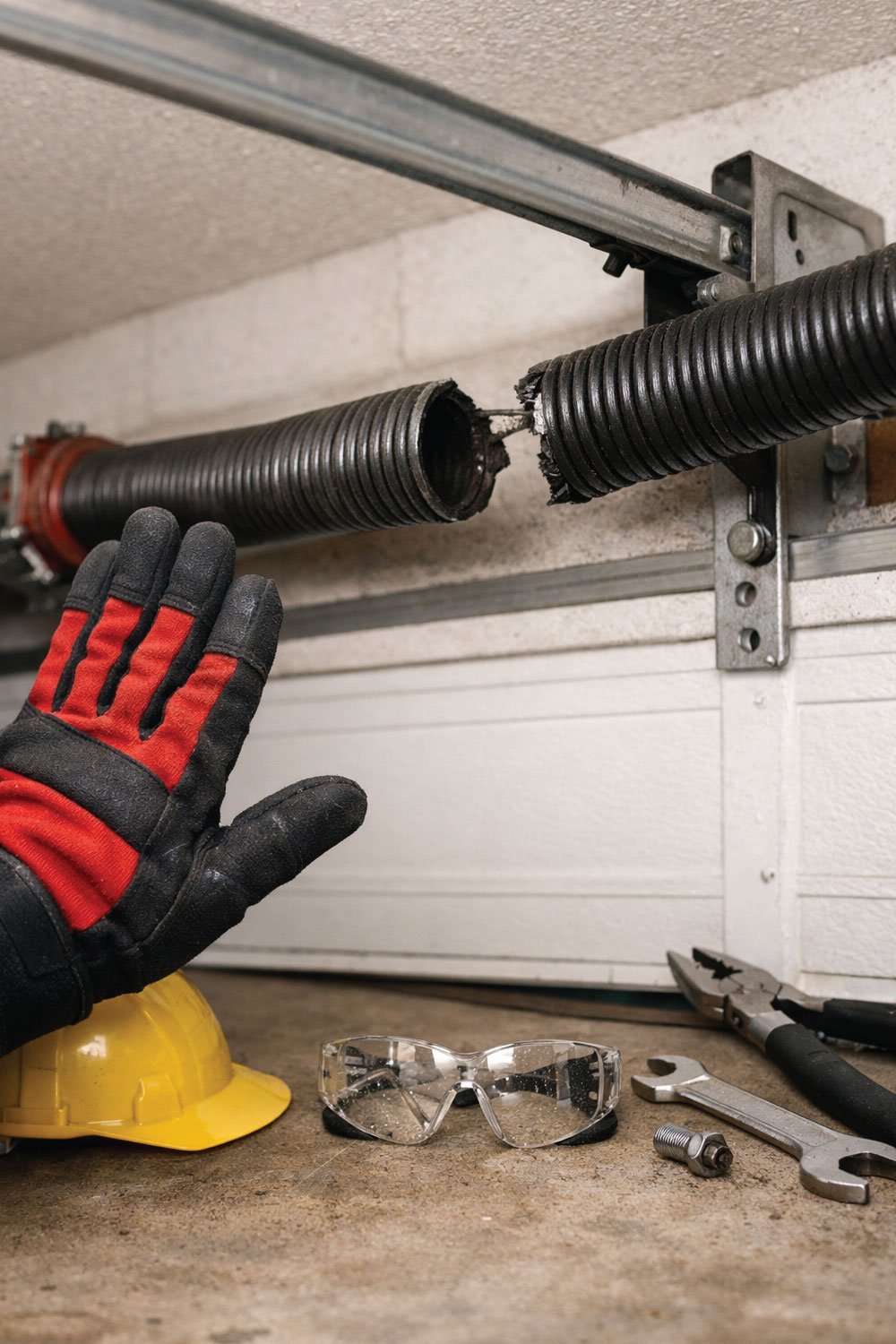
Garage door springs are under extreme tension and can cause serious injury if handled incorrectly. Attempting a DIY repair might save money in the short term, but it’s not worth the risk.
If you notice issues like:
The door not opening smoothly
A loud snapping sound
Visible gaps in the spring
Call a trained technician. Spring repair is one area where professional help is strongly recommended.
11. Never Leave the Door Partially Open
Leaving a garage door partially open can create both safety and security concerns. The door may become unstable and unexpectedly fall due to mechanical strain, while also providing easy access for intruders or animals. It is always safer to keep the door fully secured.
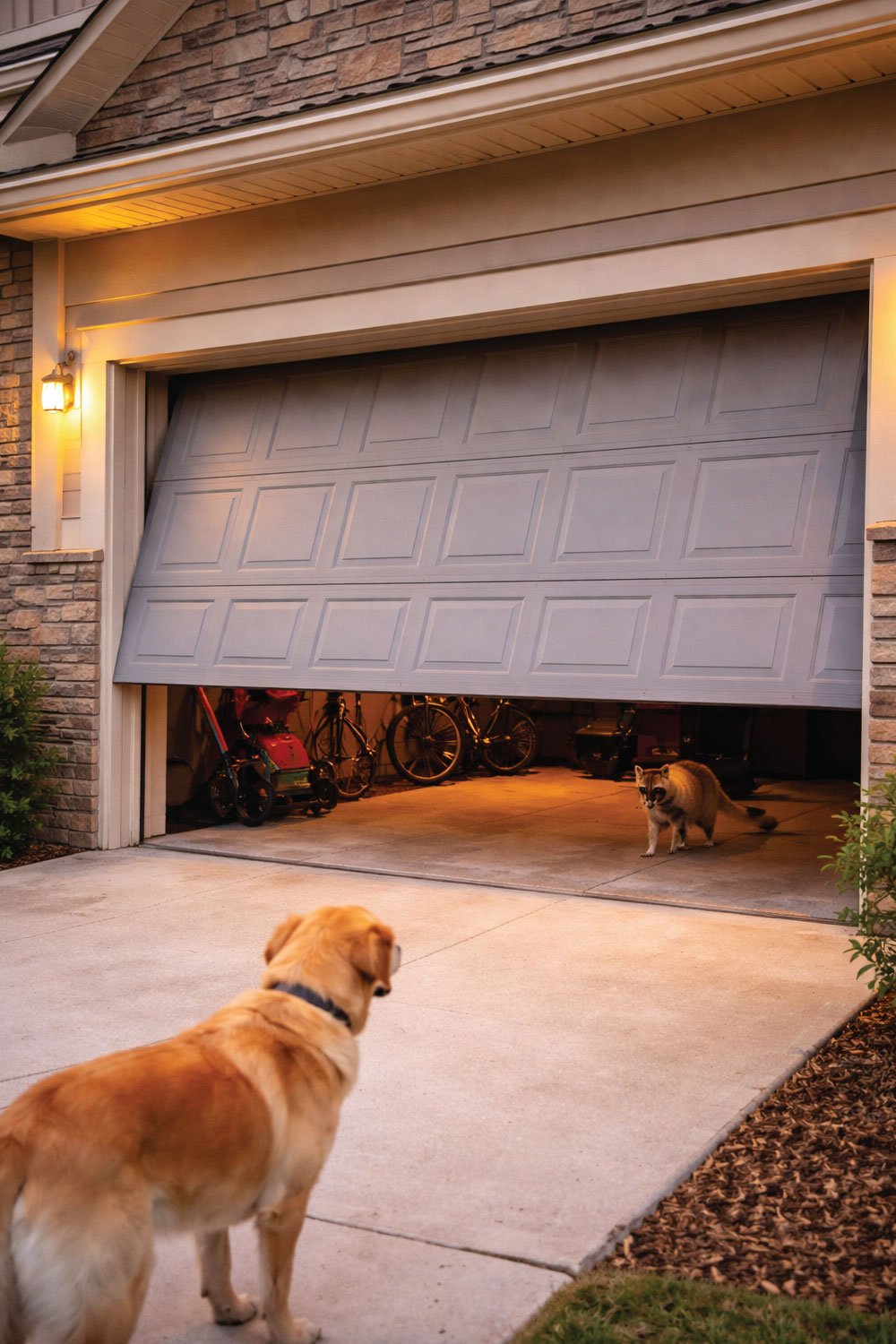
A partially open garage door can be dangerous. It may suddenly fall if there’s a mechanical issue, and it also leaves your home vulnerable to intruders.
Always ensure the door is fully open or fully closed. If your door tends to stop halfway, it is a sign that something is not working correctly and should be inspected.
12. Schedule Professional Maintenance
Even when a garage door appears to be working normally, hidden issues can still develop over time. Scheduling professional maintenance at least once a year helps ensure all components are functioning safely and efficiently, reducing the risk of unexpected breakdowns or accidents.
Even if everything seems to be working fine, it is a good idea to have your garage door professionally serviced at least once a year.
A technician can:
Adjust spring tension
Inspect the opener system
Check safety features
Identify hidden issues
Regular maintenance not only improves safety but can also save money by preventing major repairs.
👉 Keep your garage door strong and reliable all year with easy seasonal care tips! Learn how weather changes affect performance and what simple steps can prevent damage and costly repairs. Protect your home with regular maintenance. Read the full post now and care for your garage door in every season!
13. Be Cautious During Power Outages
Power outages can make garage door operation more challenging, especially when switching to manual mode using the emergency release system. Extra care is needed because the door can be heavy and may behave unpredictably if not handled properly during these situations.
When the power goes out, you may need to use the emergency release to operate your garage door manually. This requires extra caution.
Before pulling the release:
Make sure the door is fully closed
Be prepared for the doors weight
Lift carefully and evenly
If the door feels too heavy, do not force it there may be a problem with the springs.
14. Upgrade Old Systems
Older garage door systems may lack modern safety and security features, making them less reliable over time. Upgrading an outdated opener can significantly improve performance, reduce risks, and provide better convenience through newer technology and enhanced protection mechanisms.
If your garage door opener is more than 15–20 years old, it might lack important safety features like rolling code technology or modern sensors.
Upgrading to a newer system can provide:
Better security
Improved safety mechanisms
Quieter operation
Smart controls
While it is an investment, the added safety and convenience are often worth it.
15. Educate Your Household
Garage door safety is not only dependent on mechanical systems and regular maintenance, but also on how well everyone in the home understands and respects its operation. Clear awareness and basic training can significantly reduce the risk of accidents, misuse, or unnecessary strain on the door system over time.
Safety is not just about equipment it is also about awareness. Make sure everyone in your home understands basic garage door safety.
Teach them:
How to use the door properly
What to do in an emergency
Why they should not tamper with parts
A few minutes of education can prevent accidents and ensure everyone uses the system responsibly.
Final Thoughts
Garage doors are an essential part of modern homes, offering convenience, security, and protection. However, they also come with risks if not properly maintained and used.
By following these simple safety tips like testing the auto-reverse feature, keeping sensors clean, and avoiding DIY spring repairs you can significantly reduce the chances of accidents. Regular maintenance and a bit of awareness go a long way in keeping your garage door functioning safely for years to come.
Think of your garage door as more than just an entry point it is a piece of machinery that deserves attention and care. A safer garage door means a safer home for everyone.
👉 Make your garage door last for years with smart care and maintenance tips! Learn simple habits that reduce wear, prevent breakdowns, and save repair costs. Small steps today can greatly extend its lifespan and improve safety. Read the full post now and keep your garage door working longer and better!
FAQs:
What are the basic garage door safety tips?
I always start with simple habits like checking the door balance, keeping children away from controls, and testing the auto-reverse feature. These basic safety steps reduce accidents. In my experience, regular attention to these small things keeps the garage door safe, reliable, and prevents unexpected injuries or damage.
How often should I test garage door safety features?
I personally test safety features like auto-reverse and sensors once a month. It only takes a few minutes but makes a big difference. If the door doesn’t reverse quickly when something is under it, I know it needs immediate adjustment or professional inspection for safety assurance.
Is it safe to repair garage door springs myself?
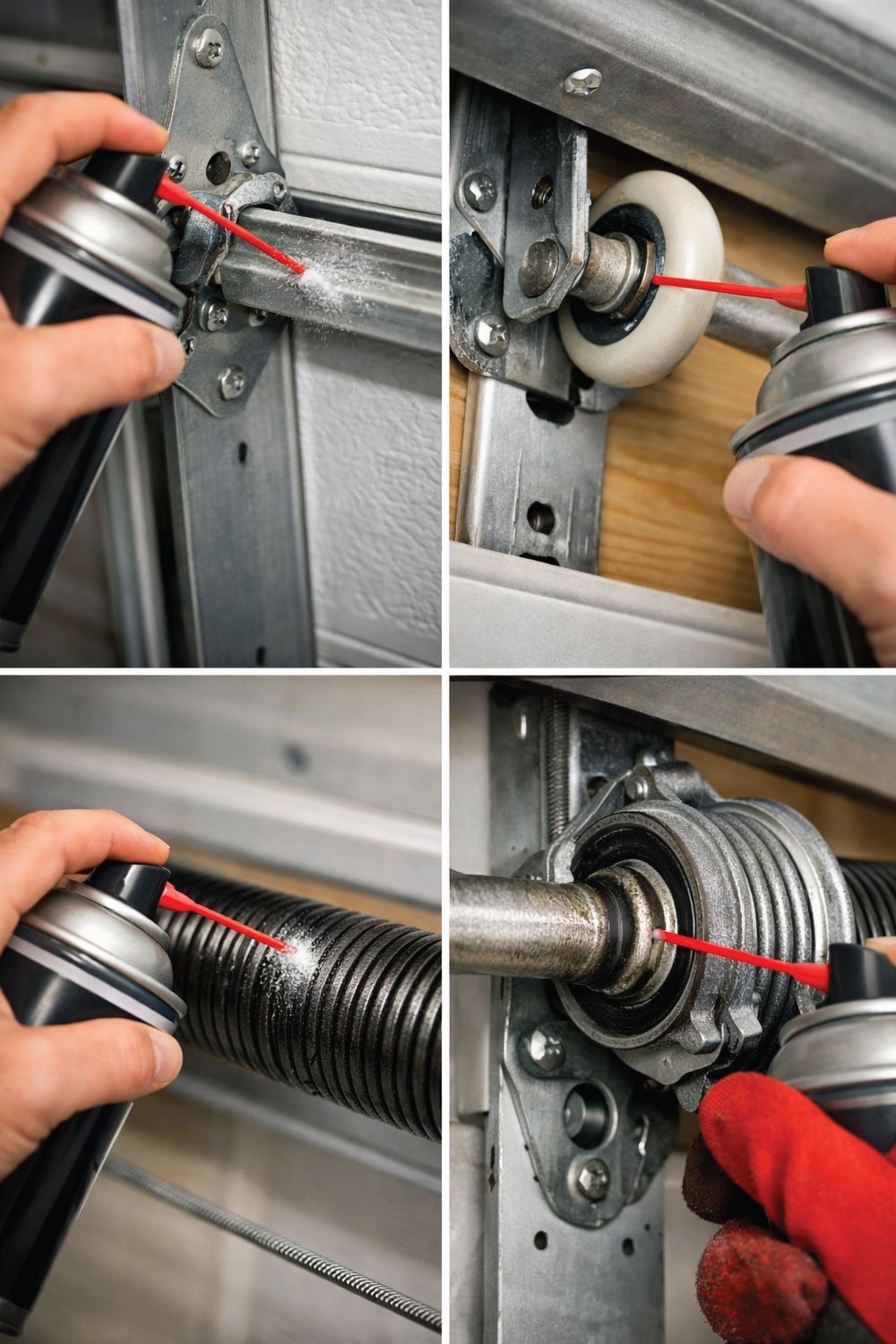
No, I never recommend DIY spring repair. Garage door springs are under extreme tension and can cause serious injury. From my experience, this is one job best left to professionals. I only handle simple tasks like lubrication and cleaning, while complex mechanical repairs are always done by experts.
How can I keep my garage door safe for children?
I make sure remote controls are out of kids’ reach and teach them not to play near the garage door. I also use wall-mounted buttons higher up. These small steps greatly reduce risk. In my opinion, supervision and awareness are the most effective safety measures at home.
What should I do if my garage door sensor is not working?
If sensors stop working, I first clean them and check alignment. Dust or misplacement often causes issues. If the problem continues, I don’t force the door to close. Instead, I call a technician. From my experience, ignoring sensor issues can lead to serious safety hazards quickly.

Engineer Ali Hasan is a garage door expert and the founder of FixFasty. With over 16 years of experience in mechanical systems and home maintenance, he provides practical, step-by-step guides on garage door installation, repairs, and maintenance, helping homeowners keep their garage doors safe, reliable, and long-lasting.