
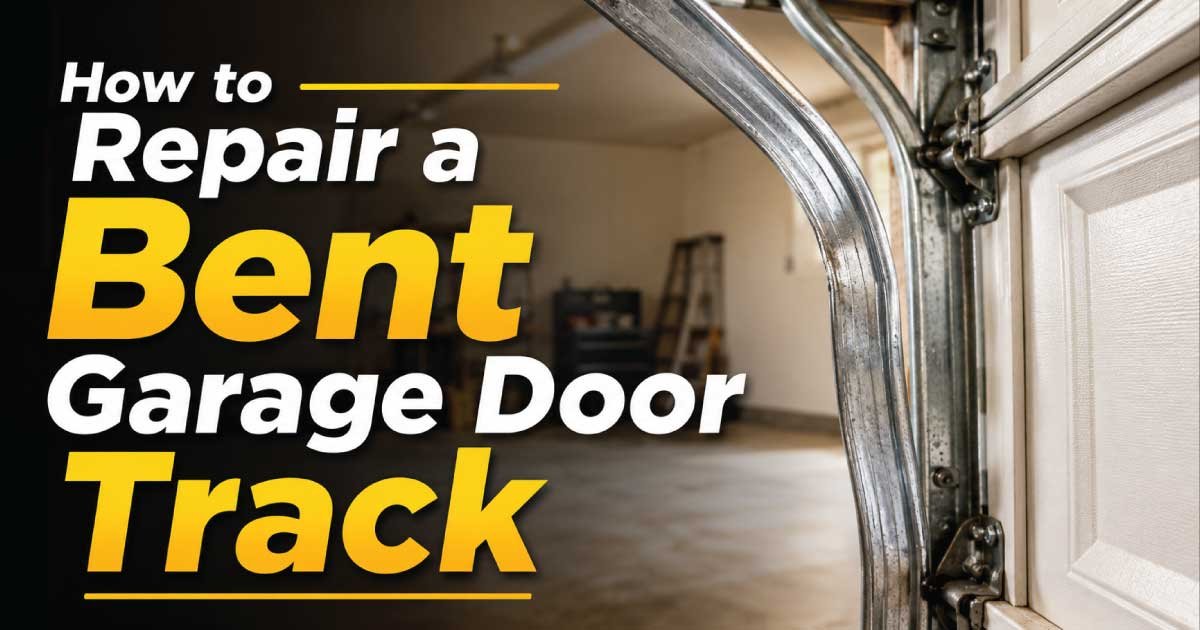
A bent garage door track is one of the most common problems homeowners face, and it should never be ignored. The track guides the rollers as the garage door moves up and down. When it becomes bent, misaligned, or damaged, the door may stick, make loud noises, move unevenly, or refuse to open and close properly. In some cases, continuing to operate the door can damage the rollers, strain the garage door opener, or even cause the door to come off its track.
The good news is that not every bent track requires a full replacement. Minor bends can often be corrected with careful inspection, the right tools, and proper safety precautions. However, severe damage may require professional repair to prevent further problems or injuries.
In this repair guide, you’ll learn how a garage door track normally works, the warning signs of a bent track, the most common reasons it happens, and how to troubleshoot the problem safely. You’ll also discover practical diagnosis techniques that help you determine whether the issue is suitable for DIY repair or whether it’s time to contact an experienced garage door technician.
Table of Contents
ToggleCommon Signs and Symptoms
A bent garage door track rarely develops without warning. Most homeowners notice small changes in the way the door operates before the problem becomes serious. Recognizing these early symptoms can prevent expensive repairs and reduce the risk of the door becoming stuck or falling off the track.
Common warning signs include:
- The garage door jerks while opening or closing.
- The door moves unevenly or appears crooked.
- Loud grinding, scraping, or popping noises during operation.
- Rollers sticking or hesitating in one section of the track.
- Visible dents, bends, or twists in the metal track.
- Gaps between the rollers and the track.
- The garage door opener struggles to lift the door.
- The door reverses before fully closing.
- Rollers jumping or partially leaving the track.
- Increased vibration during operation.
You may also notice fresh scratches on the track or metal shavings beneath the door. These signs often indicate that rollers are rubbing against damaged metal rather than rolling smoothly.
If the door suddenly becomes difficult to move by hand or stops halfway through its travel, stop using it until you’ve completed a proper inspection. Continuing to force the door can worsen the damage and increase repair costs.
How the Garage Door Track Normally Works
Understanding how the garage door system operates makes it much easier to diagnose a bent track. Although the mechanism appears simple, several components work together to move the heavy door safely and smoothly every time you press the opener button.
A standard residential garage door uses:
- Vertical tracks mounted beside the door.
- Curved transition tracks.
- Horizontal tracks attached to the ceiling.
- Rollers that ride inside the tracks.
- Hinges connecting door panels.
- Springs that counterbalance the door’s weight.
- Cables that assist lifting.
- A garage door opener that controls movement.
When everything is properly aligned, the rollers glide smoothly inside the tracks. The springs carry most of the door’s weight, allowing the opener to guide rather than lift the full load.
A bent track changes this smooth path. Even a small dent can force a roller sideways, creating extra friction. As the door continues moving, the rollers may bind, the opener works harder, and the track can become increasingly damaged.
Think of the track like railroad rails. If the rails become bent, the train cannot travel smoothly. Garage door rollers behave in much the same way. They depend on a straight, properly aligned track for safe movement.
Most Common Reasons This Problem Happens
A bent garage door track can develop for several different reasons. Some occur suddenly after an accident, while others develop slowly over months or years of daily use. Identifying the underlying cause is just as important as repairing the visible damage because the track may bend again if the root problem remains.
Accidental Vehicle Impact
One of the most common causes is accidentally driving into the garage door before it has fully opened.
Why it happens:
The force from a vehicle transfers directly into the door panels and track assembly.
Symptoms:
- Large visible bend
- Door won’t close properly
- Track pulled away from the wall
- Loud metal creaking
How to identify it:
Inspect both sides of the door for impact damage. Fresh dents, cracked panels, or loose mounting brackets usually confirm this type of damage.
Worn or Damaged Rollers
Rollers gradually wear out after thousands of opening and closing cycles. As they wear, they stop rolling smoothly and begin dragging against the track.
Why it happens:
Old nylon rollers crack, while steel rollers may seize if bearings fail.
Symptoms:
- Squeaking noises
- Rough movement
- Roller wobbling
- Track wear marks
How to identify it:
Rotate each roller by hand with the door safely secured. Rough or loose rollers usually need replacement.
Loose Mounting Brackets
The track must remain firmly attached to the wall framing.
Why it happens:
Daily vibration slowly loosens lag screws or mounting bolts.
Symptoms:
- Track movement
- Uneven door travel
- Rattling sounds
- Visible gaps behind brackets
How to identify it:
Carefully check every mounting bracket. If the track shifts when pushed by hand, loose hardware is likely contributing to the problem.
Normal Wear and Tear
Garage doors often operate several times every day. Over many years, this constant movement gradually affects track alignment.
Why it happens:
Metal fatigue, vibration, and minor impacts accumulate over time.
Symptoms:
- Minor bends
- Slight rubbing noises
- Increasing resistance
How to identify it:
Inspect the entire track under good lighting. Older tracks often show polished wear spots where rollers repeatedly rub.
Improper Installation
An incorrectly installed track may eventually bend even without an accident.
Why it happens:
Improper spacing, poor alignment, or inadequate support places uneven pressure on the track.
Symptoms:
- Door never operated smoothly
- Repeated roller problems
- Frequent adjustments required
How to identify it:
Measure the spacing between tracks and inspect for obvious alignment issues or crooked mounting hardware.
Obstructions in the Track
Small objects can create surprisingly large problems.
Why it happens:
Leaves, stones, children’s toys, screws, or hardened debris become trapped inside the track.
Symptoms:
- Sudden stopping
- Clicking noises
- Roller jumping
How to identify it:
Inspect the full length of both tracks with a flashlight and remove any foreign material before continuing diagnosis.
Safety Precautions Before Troubleshooting
Garage doors are much heavier than many homeowners realize. While inspecting a bent track is often safe, certain repairs involve components under extreme spring tension. Understanding the risks before beginning any DIY repair can prevent serious injuries and costly mistakes.
Before inspecting or troubleshooting the garage door:
- Disconnect the automatic opener by pulling the emergency release cord.
- Close the garage door fully whenever possible before inspection.
- Never loosen torsion springs or extension springs without proper training.
- Wear safety glasses to protect against flying debris.
- Use heavy work gloves to avoid sharp metal edges.
- Keep children and pets away from the work area.
- Use a sturdy ladder placed on level ground.
- Ensure the garage has adequate lighting.
- Avoid placing hands between door sections.
- Never force the door if it becomes jammed.
If the track has separated from the wall, the cables appear loose, or the springs show signs of damage, stop troubleshooting immediately. These conditions indicate a higher-risk repair that should generally be handled by a qualified garage door professional.
Tools Required
Before beginning your troubleshooting process, gather the basic tools you’ll need. Having everything ready reduces interruptions and allows you to inspect the entire garage door system more carefully.
| Tool | Purpose |
|---|---|
| Flashlight | Inspect track damage and hidden areas |
| Safety glasses | Protect eyes from debris |
| Work gloves | Prevent cuts from sharp metal |
| Adjustable wrench | Tighten mounting hardware |
| Socket set | Remove or tighten bolts |
| Level | Check track alignment |
| Rubber mallet | Gently straighten minor bends during diagnosis if appropriate |
| Tape measure | Verify spacing and alignment |
| Ladder | Reach upper track sections safely |
| Clean cloth | Remove dirt before inspection |
Step-by-Step Troubleshooting Guide
Proper troubleshooting helps identify whether the bent garage door track is the actual problem or simply a symptom of another issue. Follow these steps in order without skipping ahead, since each inspection builds on the previous one and helps narrow down the cause.
Step 1: Perform a Visual Inspection
What to inspect
Examine both vertical and horizontal tracks from top to bottom.
Why it matters
Visible bends, dents, loose brackets, or cracked hardware often reveal the primary issue immediately.
Expected result
You should identify any obvious physical damage.
What to do next
If major structural damage is present, avoid operating the door and continue inspecting other components without attempting to move it.
Step 2: Check the Rollers
What to inspect
Look for cracked, loose, or seized rollers.
Why it matters
Damaged rollers frequently cause or worsen track bending.
Expected result
Rollers should rotate smoothly without excessive side-to-side movement.
What to do next
Replace worn rollers before assuming the track alone is responsible.
Step 3: Inspect Track Alignment
What to inspect
Use a level to check whether both tracks remain straight and properly aligned.
Why it matters
Misalignment creates uneven pressure on the rollers.
Expected result
Tracks should be parallel and securely mounted.
What to do next
If alignment appears incorrect, inspect mounting brackets for looseness before considering track repair.
Step 4: Examine Mounting Hardware
What to inspect
Check every bracket, lag screw, and bolt securing the tracks.
Why it matters
Loose hardware allows the track to shift during operation.
Expected result
All fasteners should be tight with no visible movement.
What to do next
Tighten loose hardware where appropriate and continue inspecting for additional damage.
Step 5: Look for Obstructions
What to inspect
Inspect the inside of both tracks for debris.
Why it matters
Even small objects can interrupt roller movement and mimic a bent track.
Expected result
Tracks should be clean and unobstructed.
What to do next
Remove debris and inspect again for hidden damage.
Step 6: Test Manual Door Movement
What to inspect
With the opener disconnected, carefully raise and lower the door by hand.
Why it matters
Manual operation helps pinpoint exactly where resistance occurs.
Expected result
The door should move smoothly with consistent resistance.
What to do next
If the door binds at one location, inspect that section closely before planning repairs.
Quick Diagnosis Table
This quick reference table summarizes the most common symptoms associated with a bent garage door track. Use it as a starting point when diagnosing the issue before deciding whether a DIY repair is appropriate or professional service is the safer option.
| Symptom | Possible Cause | Recommended Solution |
|---|---|---|
| Door sticks halfway | Bent track | Inspect damage and determine if straightening or replacement is needed |
| Loud scraping noise | Roller rubbing damaged track | Inspect rollers and track together |
| Door moves unevenly | Misaligned track | Check alignment and mounting brackets |
| Rollers leaving track | Severe bend or loose hardware | Stop using the door and inspect immediately |
| Opener strains during operation | Increased track resistance | Disconnect opener and diagnose manually |
| Track vibrates | Loose mounting bolts | Tighten hardware and inspect for structural damage |
| Door reverses unexpectedly | Binding caused by damaged track | Inspect affected section and identify the source of resistance |
| Fresh metal shavings below track | Roller grinding against bent metal | Stop operation and inspect for roller and track damage |
How to Fix Each Common Cause
Once you’ve identified why the garage door track is bent, you can choose the most appropriate repair method. Always remember that a garage door is a heavy moving system. If the damage affects the springs, cables, or structural supports, do not attempt the repair yourself. Minor track damage is often suitable for a careful DIY repair, while severe damage usually requires replacement.
Repairing a Minor Bent Track
A small dent or slight bend can often be straightened if the track has not cracked or twisted.
Safety reminder: Disconnect the garage door opener and keep the door fully closed before working on the track.
Repair steps:
- Clean the damaged section with a cloth so you can clearly see the bend.
- Inspect the metal for cracks. Replace the track if any cracks are present.
- Loosen the nearby mounting bolts slightly if necessary to relieve pressure.
- Use a rubber mallet to gently tap the bent section back into shape.
- Check the track with a level to ensure it remains straight.
- Tighten all mounting hardware securely.
- Move the door manually to verify smooth roller movement before reconnecting the opener.
Avoid using excessive force. Several light taps are safer than one heavy blow that could worsen the damage.
Tightening Loose Track Brackets
Loose brackets allow the track to shift every time the door moves.
Repair steps:
- Inspect every bracket from the floor to the ceiling.
- Tighten loose lag screws or bolts.
- Replace stripped fasteners with appropriately sized hardware.
- Repair damaged wall framing before reinstalling brackets if the wood no longer holds screws securely.
After tightening everything, manually operate the door to confirm the track remains stable.
Replacing Worn Rollers
Old rollers often continue damaging even a newly repaired track.
Safety reminder: Never remove the bottom roller bracket because it is attached to the lifting cable under high spring tension.
For safe DIY replacement:
- Replace only the upper and middle rollers.
- Remove one roller at a time.
- Install the replacement before removing the next roller.
- Verify each roller spins freely.
Many homeowners choose sealed nylon rollers because they operate more quietly and require less maintenance than older steel rollers.
Realigning a Misaligned Track
Sometimes the track is not bent but has shifted out of alignment.
Repair steps:
- Loosen the mounting bolts slightly.
- Position the track until it is straight and parallel with the opposite side.
- Use a level to verify alignment.
- Tighten the bolts evenly.
- Test manual operation.
A properly aligned track allows the rollers to move without rubbing either side.
Removing Track Obstructions
Debris inside the track is one of the easiest problems to fix.
Remove:
- Dirt buildup
- Leaves
- Small stones
- Loose screws
- Children’s toys
- Hardened grease
Do not apply heavy grease inside the track. The rollers should roll, not slide. Excess grease often attracts dust and eventually creates more friction.
Replacing a Severely Bent Track
Some tracks cannot be repaired safely.
Replacement is usually necessary if you find:
- Deep kinks
- Cracked metal
- Twisted sections
- Torn mounting holes
- Severe collision damage
Replacing only the damaged section is sometimes possible, but matching the replacement track to your existing garage door system is important. Using an incompatible track can create alignment problems and unsafe operation.
Advanced Troubleshooting
If the track appears straight after inspection but the garage door still operates poorly, another component may be causing the problem. Experienced technicians often diagnose the entire system rather than focusing only on the visible damage.
Check these less common issues:
Bent Door Panels
A damaged panel can force the rollers sideways even if the track is perfectly straight.
Look for:
- Buckled metal
- Cracked wood
- Warped sections
- Uneven panel spacing
Worn Hinges
Loose or damaged hinges change the angle of the rollers as the door bends through the curved track.
Signs include:
- Excessive hinge movement
- Broken hinge leaves
- Missing fasteners
Spring Balance Problems
Garage door springs support most of the door’s weight.
If the springs lose tension:
- The opener works harder.
- Rollers press harder against the track.
- Track wear accelerates.
Do not adjust torsion springs yourself. They store enough energy to cause serious injury if handled incorrectly.
Cable Problems
Inspect lifting cables for:
- Fraying
- Rust
- Loose strands
- Uneven tension
A damaged cable can cause one side of the door to move faster than the other, placing uneven stress on the tracks.
Garage Door Opener Issues
Sometimes the opener is mistaken for a track problem.
Check for:
- Incorrect travel limits
- Excessive closing force
- Loose drive components
- Worn gears
If the door moves smoothly by hand but struggles when powered, the opener settings may need adjustment instead of track repair.
When Repair Is Not Worth It
Repairing a bent garage door track is not always the most economical or safest option. In some situations, replacing damaged components—or even the entire door system—provides better long-term value.
Replacement is usually the smarter choice when:
- The track has multiple severe bends.
- The metal has cracked.
- The track has heavy rust throughout.
- Multiple rollers and hinges are also worn.
- The door has suffered major vehicle impact.
- Replacement parts for an older system are difficult to find.
- The repair cost approaches the price of a new garage door system.
If your garage door is over 20 years old and several major components are worn at the same time, investing in a modern replacement may improve reliability, safety, insulation, and noise reduction.
Preventive Maintenance Tips
Routine maintenance is the best way to prevent another bent garage door track. A few minutes of inspection every few months can identify small problems before they become expensive repairs.
Recommended preventive maintenance includes:
- Visually inspect both tracks every month.
- Tighten loose mounting hardware twice a year.
- Clean dirt and debris from the tracks regularly.
- Lubricate hinges, bearings, and springs with a garage door lubricant as recommended by the manufacturer.
- Inspect rollers for cracks and excessive wear.
- Test manual door balance every few months.
- Listen for unusual noises during operation.
- Never force a sticking garage door.
- Keep vehicles clear until the door is completely open.
- Schedule a professional inspection every few years, especially for older doors.
Preventive maintenance not only protects the track but also extends the lifespan of the opener, rollers, springs, and other moving parts.
Common Mistakes to Avoid
Many homeowners unintentionally make the repair more difficult by rushing or overlooking important safety steps. Avoiding these common mistakes can prevent additional damage and reduce the risk of injury.
Common mistakes include:
- Continuing to operate a door with a visibly bent track.
- Hammering the track with excessive force.
- Ignoring worn rollers after straightening the track.
- Lubricating the inside of the track with thick grease.
- Forgetting to disconnect the automatic opener.
- Attempting to adjust torsion springs without proper tools or training.
- Replacing only one damaged component when several parts are worn.
- Skipping alignment checks after making adjustments.
- Using incorrect replacement hardware.
- Assuming every bent track can be repaired instead of replaced.
Taking time to diagnose the entire system usually results in a longer-lasting repair.
When to Call a Professional
Some garage door repairs involve significant risks that should not be handled without specialized training and equipment.
Contact a qualified garage door technician if:
- The track has pulled away from the wall.
- The door has come completely off the track.
- Torsion springs require adjustment.
- Lift cables are damaged or broken.
- The door is severely crooked.
- Structural framing has been damaged.
- The opener continues to struggle after track repairs.
- The track requires complete replacement and realignment.
- The garage door weighs too much to move safely by hand.
Professional technicians have the tools to safely rebalance the door, align the tracks precisely, and inspect related components that homeowners may overlook.
Estimated Repair Costs
The costs below are approximate and vary depending on your location, garage door size, materials, and labor rates.
| Repair | Estimated Cost | DIY or Professional |
|---|---|---|
| Minor track straightening | $0–$40 | DIY |
| Tighten mounting hardware | $0–$20 | DIY |
| Clean and inspect tracks | $0–$15 | DIY |
| Replace upper or middle rollers | $30–$120 | DIY or Professional |
| Track realignment | $75–$200 | Professional |
| Replace one track section | $150–$350 | Professional |
| Replace both tracks | $300–$700 | Professional |
| Garage door spring replacement | $150–$400 | Professional |
| Complete garage door replacement | $800–$2,500+ | Professional |
Frequently Asked Questions
1. Can I repair a bent garage door track myself?
Yes, minor bends can often be repaired safely if the track is only slightly deformed and all other components are in good condition. Always disconnect the opener, inspect the entire system first, and avoid working on springs or cables. If the metal is cracked or heavily twisted, replacing the track is usually the safer option.
2. Is it safe to use my garage door if the track is bent?
No, you should avoid using the garage door until you identify the problem. Continuing to operate it can worsen the bend, damage rollers, overload the opener, or cause the door to leave the track entirely. A quick inspection can prevent much more expensive repairs later.
3. What usually causes a garage door track to bend?
The most common causes are accidental vehicle impacts, worn rollers, loose mounting brackets, poor installation, debris inside the track, and normal wear over many years of use. Identifying the underlying cause is essential because repairing only the visible bend may not prevent the problem from returning.
4. How do I know if the track needs replacement instead of repair?
A track generally needs replacement if it has deep kinks, cracks, twisted sections, severe rust, or torn mounting holes. Minor dents can often be straightened, but structural damage weakens the metal and makes repairs unreliable. When in doubt, have the track inspected by a qualified technician.
5. Should I lubricate the garage door track?
No, the inside of the track should generally remain clean rather than heavily lubricated. The rollers are designed to roll inside the track, not slide. Thick grease attracts dust and debris, increasing friction over time. Instead, lubricate hinges, bearings, and springs with an appropriate garage door lubricant if recommended by the manufacturer.
6. Why does my garage door opener struggle after I repaired the track?
If the opener still struggles, another issue may be present. Common possibilities include worn rollers, incorrect opener force settings, damaged springs, misaligned tracks, or poor door balance. Testing the door manually with the opener disconnected can help determine whether the problem lies with the opener or the door itself.
7. How often should I inspect my garage door tracks?
Inspect the tracks at least once a month as part of routine preventive maintenance. Look for dents, loose hardware, dirt buildup, unusual wear marks, and roller movement. Regular inspections help catch small problems before they develop into major repairs or create unsafe operating conditions.
8. Can a bent track damage the garage door opener?
Yes, a bent track increases resistance, forcing the opener to work harder than intended. Over time, this additional strain can shorten the life of gears, motors, and drive components. Repairing track problems promptly helps protect the entire garage door system and reduces future repair costs.
9. Why does my garage door keep coming off the track?
A garage door usually comes off the track because of severe track damage, worn rollers, loose hardware, cable problems, or an impact with the door. Operating the door in this condition is unsafe. The underlying cause should be identified and corrected before the door is returned to service.
10. Can regular maintenance prevent bent garage door tracks?
Yes, regular maintenance significantly reduces the risk of bent tracks. Keeping hardware tight, replacing worn rollers, cleaning debris from the tracks, inspecting alignment, and addressing unusual noises early all help prevent excessive stress on the track and extend the life of the entire garage door system.
Final Thoughts
Repairing a bent garage door track begins with understanding why the damage occurred rather than simply straightening the metal. A thorough inspection of the tracks, rollers, brackets, hinges, springs, and opener helps identify the root cause and ensures the repair lasts. Minor bends caused by everyday wear or small impacts can often be corrected with careful DIY techniques, but severe damage involving cracked tracks, broken cables, or spring components should always be handled by a qualified professional.
Regular preventive maintenance remains the most effective way to avoid future problems. Cleaning the tracks, inspecting hardware, replacing worn rollers, and responding quickly to unusual noises or uneven movement can prevent small issues from becoming costly repairs. By following safe troubleshooting practices and knowing when professional assistance is necessary, homeowners can keep their garage doors operating smoothly, protect their investment, and maintain a safer, more reliable entry to their home.

Engineer Ali Hasan is a garage door expert and the founder of FixFasty. With over 16 years of experience in mechanical systems and home maintenance, he provides practical, step-by-step guides on garage door installation, repairs, and maintenance, helping homeowners keep their garage doors safe, reliable, and long-lasting.