
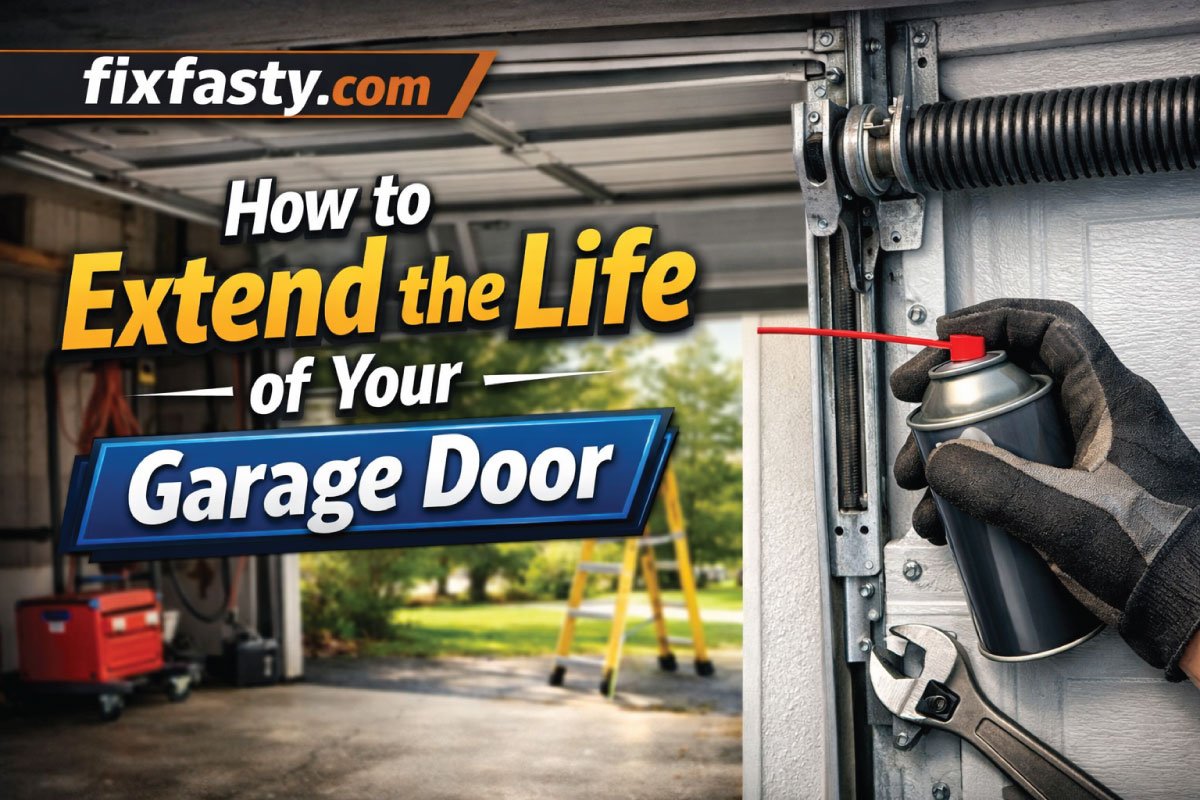
Your garage door is one of the hardest-working systems in your home. It opens and closes multiple times a day, carries heavy weight, and faces constant exposure to weather, dust, and moisture. Yet many homeowners only think about it after something breaks.The good news is that with simple care and smart habits, you can extend the life of your garage door by many years, avoid expensive repairs, and keep it operating smoothly and safely.This complete guide explains exactly what to do, what to avoid, and how often to maintain your garage door—no technical experience required.
Why Garage Doors Wear Out Faster Than Expected
Garage doors are built for durability, but many homeowners notice premature wear due to everyday stress and neglect. Even small issues like unusual noises or slow movement can signal deeper mechanical problems developing over time if ignored.
Key factors include poor lubrication, rust from moisture exposure, loose hardware, and overworked springs or openers that strain under repeated cycles. Without routine maintenance, these issues accumulate quickly, reducing lifespan and increasing the risk of sudden failure.
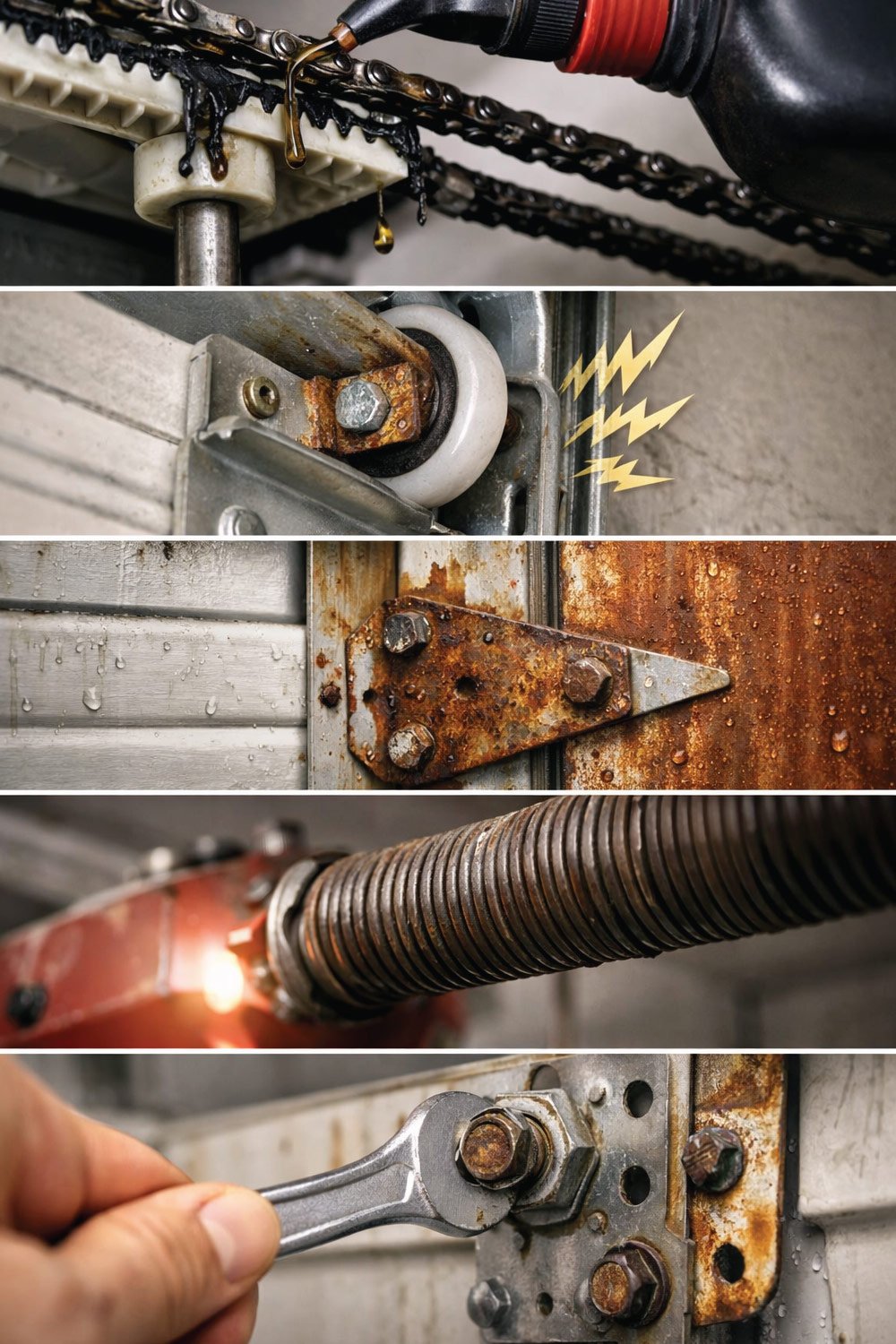
Lack of lubrication
Ignoring small noises or vibrations
Rust and moisture damage
Overworked springs and opener
Loose hardware going unchecked
Preventive maintenance is far cheaper and safer than emergency repairs.
How Long Should a Garage Door Last?
Garage door components have different lifespans depending on material quality, usage frequency, and environmental conditions. Panels and structural parts generally last the longest, while moving parts like springs and rollers experience more wear due to constant tension and motion.
On average, springs last 7–12 years, rollers and hinges around 10–15 years, and openers about 10–15 years. Regular inspection and timely replacement help extend overall system life and ensure smoother, safer operation over time.
Garage door panels: 20–30 years
Springs: 7–12 years (or 10,000–20,000 cycles)
Rollers & hinges: 10–15 years
Opener: 10–15 years
With proper care, you can push these limits significantly.
Garage Door Parts & How to Extend Their Lifespan
Understanding how each garage door component wears out—and how to care for it—can significantly extend the overall lifespan of your system. Most failures don’t happen suddenly; they develop gradually due to neglect, friction, dirt buildup, or mechanical strain.
By maintaining each part properly, you reduce repair costs, improve safety, and ensure smoother operation. Below is a breakdown of key garage door components and the best ways to keep them working longer
| Component | What Shortens Life | How to Extend It |
|---|---|---|
| Springs | Rust, lack of lubrication | Lubricate, avoid forcing door |
| Rollers | Dirt, worn bearings | Clean tracks, lubricate bearings |
| Hinges | Dry metal, loose screws | Lubricate and tighten |
| Tracks | Debris buildup | Clean regularly (no grease) |
| Opener | Overworked motor | Balance door, maintain hardware |
| Weather seals | Sun & cold damage | Inspect and replace annually |
Perform Regular Maintenance
Regular maintenance is the most effective way to keep a garage door operating smoothly and extend its lifespan. Without consistent care, small issues can escalate into costly repairs or sudden breakdowns that reduce safety and reliability over time.
Recommended maintenance includes a quick visual inspection each month to catch early signs of wear, followed by lubrication and tightening every six months. A deeper annual inspection ensures all components remain balanced, safe, and functioning efficiently for long-term durability.
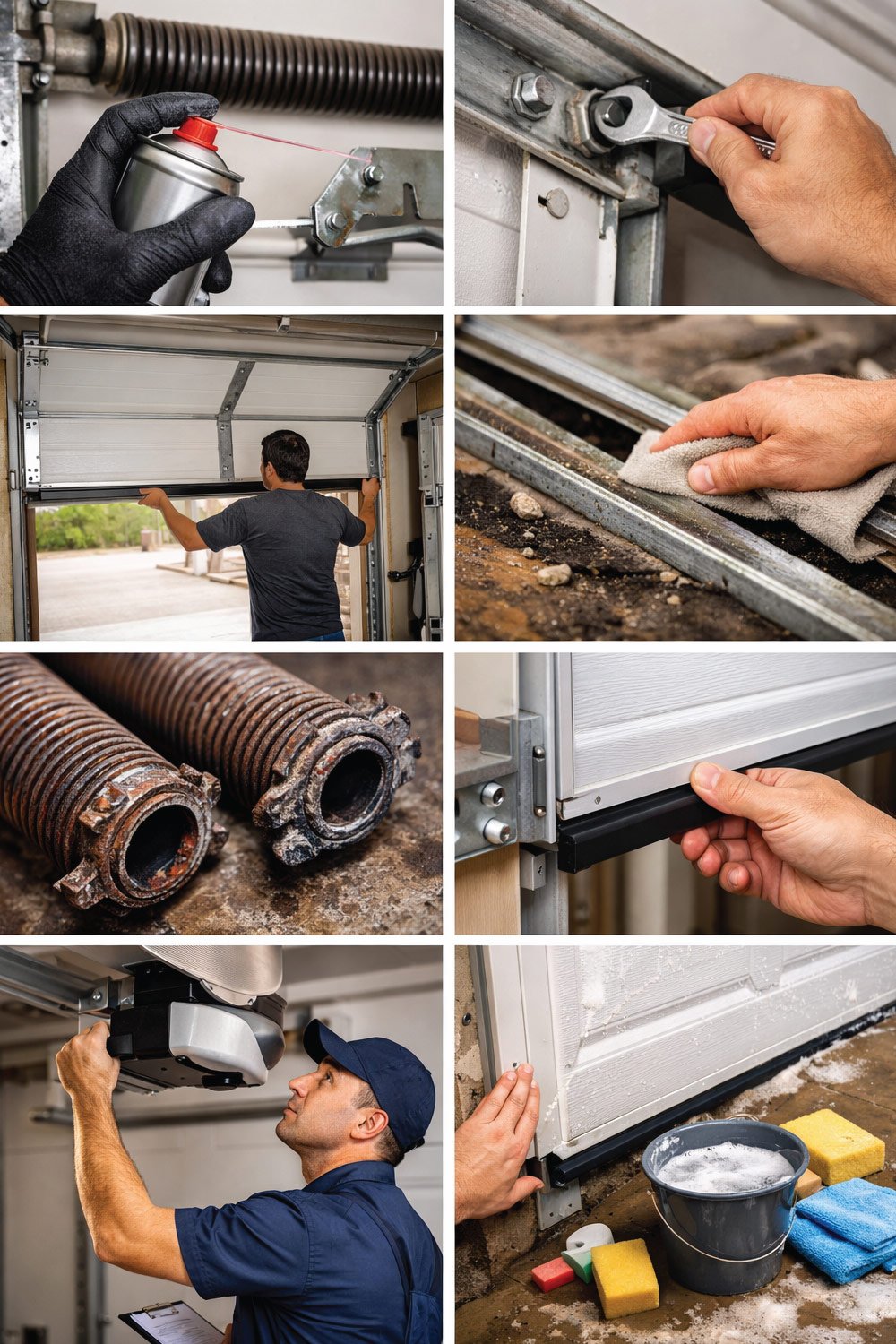
Minimum routine:
Visual inspection: monthly
Lubrication & tightening: every 6 months
Deep inspection: once a year
Even 20–30 minutes twice a year makes a major difference.
1. Keep All Moving Parts Properly Lubricated
Garage doors depend on smooth, friction-free movement to operate safely and quietly. When metal parts run dry, they create resistance that leads to noise, wear, and gradual mechanical failure over time.
To maintain performance, lubricate hinges, roller bearings, springs, and lock mechanisms using silicone spray, white lithium grease, or a garage-door-specific lubricant. Avoid using WD-40 as a long-term lubricant since it is mainly a cleaner rather than a protective solution.
Lubricate these parts:
Hinges
Rollers (bearings only)
Springs (torsion or extension)
Lock mechanisms
Use:
Silicone spray
White lithium grease
Garage door–specific lubricant
Avoid WD-40 as a lubricant—it’s a cleaner, not long-term protection.
2. Tighten Loose Hardware Regularly
Garage doors produce constant vibration during opening and closing cycles, which slowly loosens bolts, screws, and mounting hardware. If ignored, this can lead to misalignment, noisy operation, or even structural damage.
Regularly inspect and tighten hinges, brackets, track bolts, and roller mounts to keep everything secure. Ensure fittings are snug but not over-tightened, as excessive force can strip threads or damage components.
Check and tighten:
Hinges
Brackets
Track bolts
Roller mounts
Tighten until snug—over-tightening can strip threads or damage parts.
3. Keep Tracks Clean (But Never Greased)
Clean tracks are essential for smooth roller movement and balanced door operation. Dirt, debris, and buildup inside the tracks force rollers to work harder, which increases wear and reduces system lifespan.
Wipe tracks with a dry cloth, remove debris, and use mild soap and water if necessary, then dry thoroughly. Never apply grease or lubricant to the tracks, as rollers are designed to roll—not slide—along a clean surface.
How to maintain tracks:
Wipe with a dry cloth
Remove dirt, leaves, and debris
Clean with mild soap if needed
Dry completely
Do not lubricate tracks—rollers should roll, not slide.
4. Protect Springs from Early Failure
Springs carry the full weight of the garage door, making them one of the most critical and high-stress components. When they weaken or break, the entire system becomes unsafe and difficult to operate.
To extend their lifespan, lubricate springs every six months, prevent rust buildup, and avoid slamming or forcing the door. Never attempt to adjust spring tension yourself, as it is highly dangerous and should only be handled by trained professionals.
To extend spring life:
Lubricate springs every 6 months
Keep them free of rust
Avoid slamming the door shut
Never force a stuck or frozen door
Never adjust spring tension yourself—it’s dangerous and should be done by professionals.
5. Maintain Proper Door Balance
A properly balanced garage door reduces stress on key components like springs, rollers, and the opener. When the door is unbalanced, the system must work harder, which accelerates wear and increases the risk of sudden failure or damage.
You can check balance by disconnecting the opener, lifting the door halfway, and letting go carefully. If it stays in place, it is balanced; if it moves up or down, the springs likely need professional adjustment.
Simple balance test:
Disconnect the opener
Lift door halfway manually
Let go carefully
Door stays in place → balanced
Door falls or shoots up → springs need professional adjustment
Balanced doors last longer and operate more safely.
6. Replace Worn Weather Stripping
Weather stripping plays a crucial role in sealing your garage against outside elements. It blocks moisture, dust, pests, and temperature extremes that can gradually damage both the door and its internal components.
Inspect seals at least once a year and replace them when they become cracked, brittle, or loose. Good sealing helps prevent rust, corrosion, and unnecessary exposure to harsh environmental conditions.
Moisture
Dirt
Salt
Extreme temperatures
Cracked or brittle seals allow moisture in, leading to rust and corrosion.
Inspect weather stripping once a year and replace if damaged.
7. Clean the Door Panels Regularly
Garage door panels naturally collect dirt, dust, and grime over time, especially in outdoor environments. If left uncleaned, this buildup can trap moisture and slowly lead to surface damage or corrosion.
Wash the door using mild soap and water, avoiding harsh chemicals that can damage the finish. Rinse thoroughly and dry completely to maintain both appearance and long-term durability.
Cleaning tips:
Use mild soap and water
Avoid harsh chemicals
Rinse and dry thoroughly
Clean doors not only look better but resist corrosion longer.
8. Avoid Bad Habits That Shorten Door Life
Everyday habits can significantly impact how long your garage door lasts. Small actions repeated over time—like forcing a stuck door or ignoring unusual noises—can lead to serious mechanical problems.
Avoid slamming the door, forcing frozen components, or delaying minor repairs. Paying attention to early warning signs helps prevent expensive breakdowns and extends overall system life.
Avoid:
Slamming the door shut
Forcing a frozen door open
Ignoring new noises
Overusing manual force
Delaying small repairs
Listen to your garage door—it usually warns you before failing.
9. Use Your Garage Door Opener Correctly
The garage door opener works best when the entire system is properly maintained and balanced. Overloading or forcing the motor can lead to premature wear and reduced performance over time.
Keep the door balanced, avoid holding the button unnecessarily, and replace remote batteries when needed. Clean and aligned sensors also ensure smooth and safe operation.
Tips:
Keep door balanced
Don’t hold the button to force movement
Replace remote batteries regularly
Keep sensors clean and aligned
A struggling opener is often a sign of door issues—not motor failure.
10. Know When to Call a Professional
While basic maintenance can be done at home, certain problems require expert attention to ensure safety and prevent further damage. Attempting complex repairs without proper tools or knowledge can be dangerous.
Contact a professional if you notice broken springs, frayed cables, doors coming off track, severe rust, or sudden malfunction. Timely expert intervention helps avoid costly repairs and ensures safe operation.
Call a professional if you notice:
Broken or stretched springs
Frayed or snapped cables
Door off track
Severe rust or bent panels
Door slamming or refusing to open
Trying to fix these yourself can be dangerous and costly.
Garage Door Maintenance Schedule (Life-Extending Routine)
A consistent maintenance schedule is the key to keeping a garage door system safe, quiet, and long-lasting. Most major breakdowns happen because small maintenance tasks are delayed or completely ignored, causing gradual wear on springs, rollers, and the opener.
By following a structured routine, you can prevent unnecessary strain, reduce repair costs, and extend the lifespan of every component. Even simple monthly and yearly checks make a major difference in overall performance and safety.
| Task | How Often | Why It Matters |
|---|---|---|
| Visual inspection | Monthly | Catch issues early |
| Lubrication | Every 6 months | Reduce friction & wear |
| Tighten hardware | Every 6 months | Prevent vibration damage |
| Clean tracks | Every 3–6 months | Protect rollers |
| Balance test | Annually | Reduce opener & spring strain |
| Replace weather seals | Annually | Prevent moisture damage |
| Professional inspection | Every 1–2 years | Ensure safety & longevity |
Garage Door Parts & How to Extend Their Lifespan
Understanding how each garage door component wears out—and how to care for it—can significantly extend the overall lifespan of your system. Most failures don’t happen suddenly; they develop gradually due to neglect, friction, dirt buildup, or mechanical strain.
By maintaining each part properly, you reduce repair costs, improve safety, and ensure smoother operation. Below is a breakdown of key garage door components and the best ways to keep them working longer
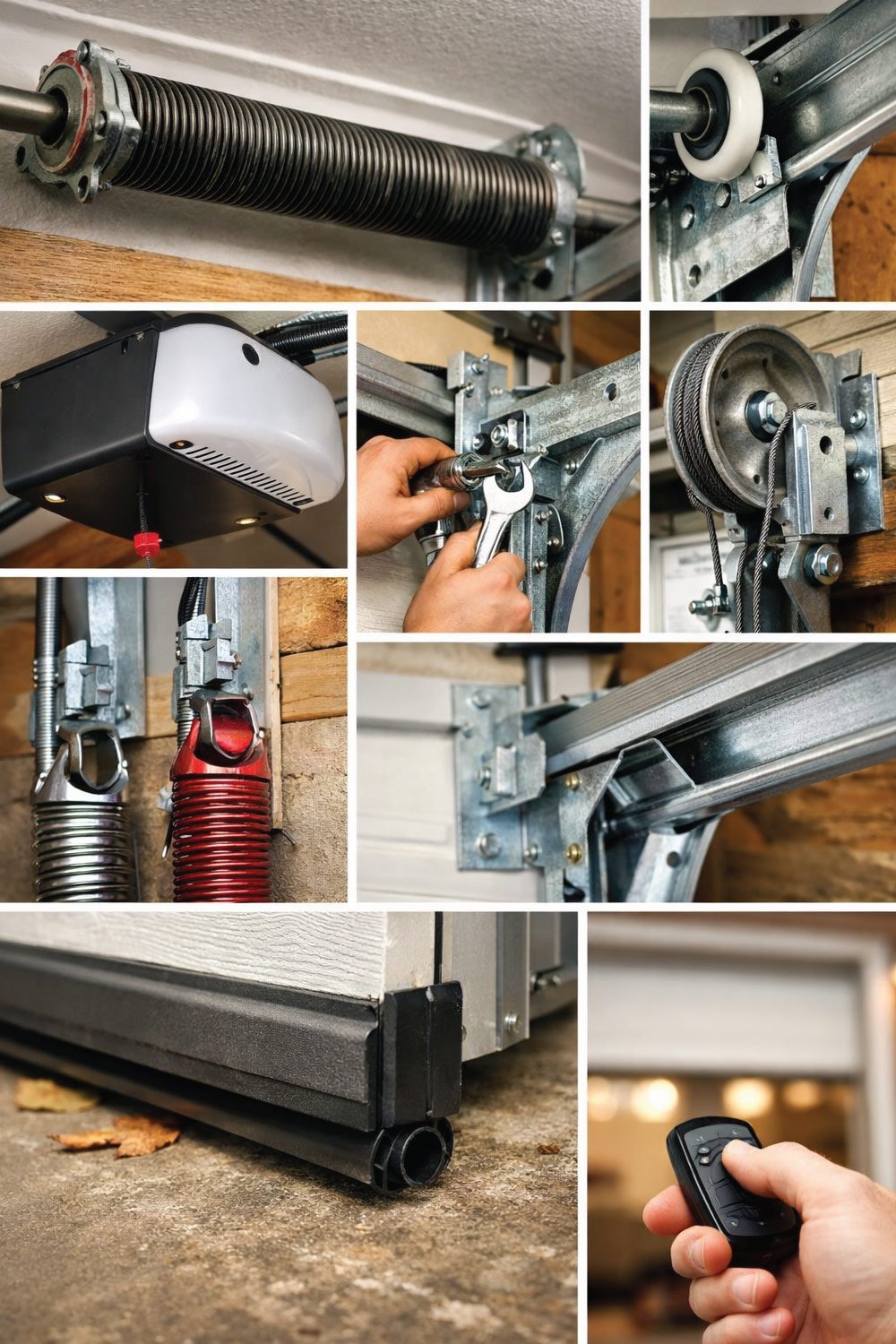
Benefits of Extending Your Garage Door’s Life
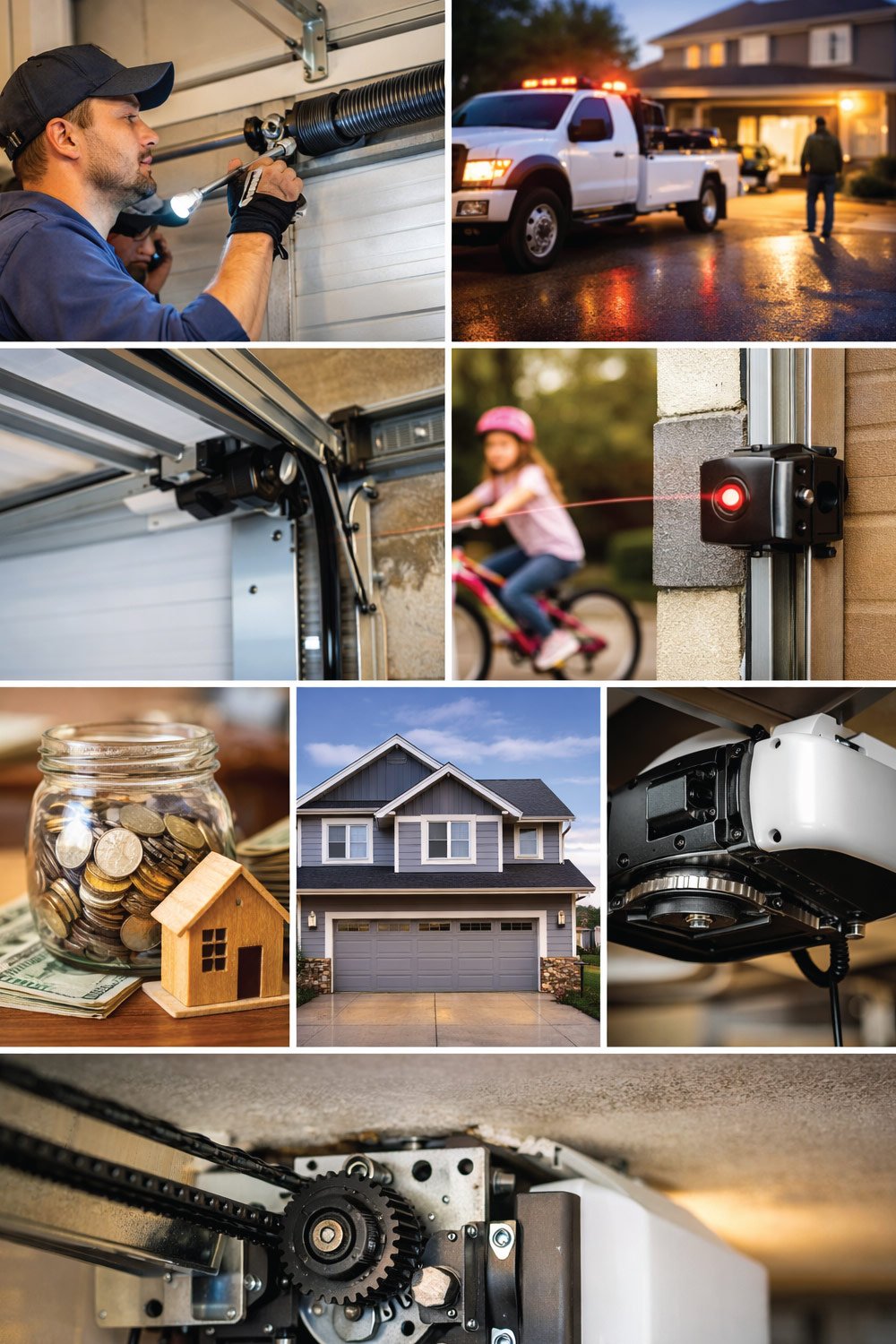
Taking care of your garage door regularly provides long-term advantages that go beyond simple convenience. When all components are properly maintained, the entire system works more efficiently, reducing stress on parts and preventing sudden breakdowns.
Consistent upkeep also improves safety, lowers repair costs, and enhances the overall performance of your garage door. A well-maintained system can remain reliable for many extra years compared to one that is neglected.
Fewer emergency repairs
Quieter operation
Improved safety
Lower replacement costs
Better home value
Longer opener lifespan
A well-maintained garage door can last years longer than a neglected one.
Final Thoughts
Learning how to extend the life of your garage door isn’t about complex repairs—it’s about consistency. Simple habits like lubrication, cleaning, tightening, and inspections protect every part of the system.Spend a little time twice a year, follow the checklist, and your garage door will stay smooth, quiet, safe, and reliable for the long run.
FAQs:
What is maintenance on a garage door?
Garage door maintenance involves regularly inspecting, cleaning, lubricating, and adjusting all moving parts to ensure smooth and safe operation. This includes checking springs, cables, rollers, and tracks, tightening hardware, and testing safety features. Routine maintenance helps prevent breakdowns, reduces noise, improves performance, and extends the overall lifespan of your garage door system.
What is the common problem of a garage door?
A common garage door problem is misalignment or worn-out components, such as rollers or tracks, which can cause noisy or uneven movement. Broken springs and malfunctioning openers are also frequent issues. These problems often develop due to lack of maintenance, wear and tear, or environmental factors affecting the door’s overall performance.
What is the purpose of a garage door?
The primary purpose of a garage door is to provide security, protection, and convenient access to your garage space. It safeguards vehicles and stored items from weather, theft, and damage. Additionally, it improves home insulation, enhances curb appeal, and offers ease of use through manual or automatic opening systems for everyday functionality.
What is the most common garage door repair?
The most common garage door repair involves replacing broken or worn-out springs. Springs handle the door’s weight, and over time, they weaken or snap due to repeated use. Other frequent repairs include fixing cables, adjusting tracks, or replacing damaged rollers, all of which ensure the door operates safely and efficiently.
Are garage doors easy to repair?
Some garage door repairs, like lubricating parts or tightening loose hardware, are simple and suitable for DIY. However, complex tasks such as spring or cable replacement can be dangerous and require professional expertise. Attempting difficult repairs without proper tools or knowledge can lead to injury or further damage to the door system.
Where do garages lose the most heat?
Garages lose the most heat through gaps around the garage door, especially along the bottom seal, sides, and top edges. Poor insulation in the door panels and walls also contributes significantly to heat loss. Cracks, worn weatherstripping, and unsealed joints allow cold air in and warm air out, reducing overall energy efficiency.

Engineer Ali Usman is a professional garage door expert and author at FixFasty, with over 10 years of hands-on experience in garage door systems and mechanical maintenance. He writes clear, step-by-step guides on garage door repairs, parts, and safety practices, helping homeowners fix problems correctly and maintain smooth, secure, and long-lasting garage door performance.