
If you are a homeowner, at some point, you will probably ask yourself: how much is a new garage door? Garage doors aren’t just functional, they add style, security, and value to your home.
However, the cost can vary widely depending on the material, size, style, and installation complexity. This guide breaks down everything you need to know about garage door prices in 2026.
Why a Garage Door Is an Important Investment
A garage door is more than just a barrier to your home. It’s the first thing visitors notice, contributes to your home’s curb appeal, and protects your vehicles and belongings. Choosing the right garage door is about balancing aesthetics, durability, and price.
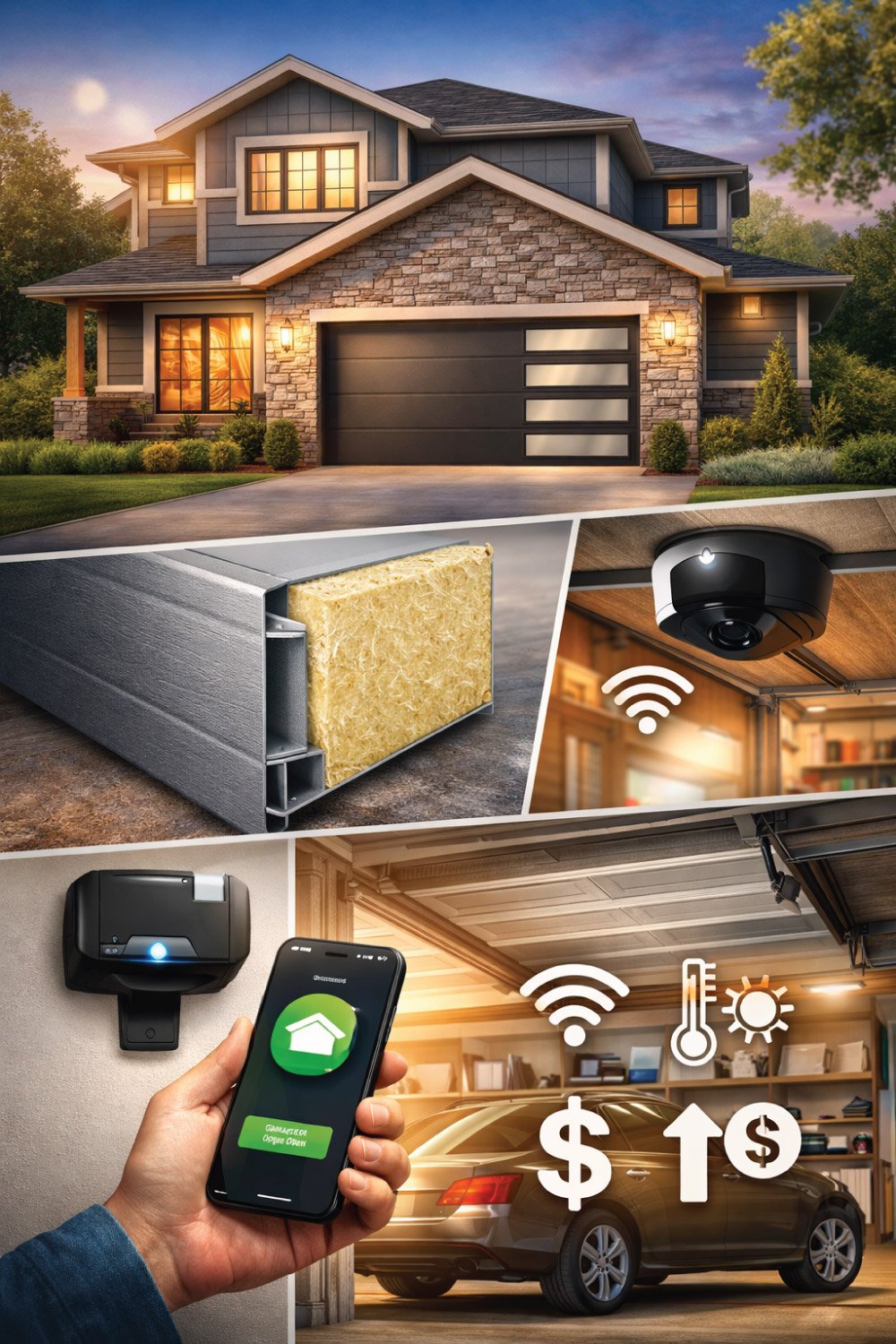
Modern garage doors also include technological features like smart openers, insulation, and even smartphone control. While these features can increase costs, they also add convenience and energy efficiency.
Average Cost of a New Garage Door
The cost of a new garage door varies based on material, size, style, installation complexity, and added features like insulation or smart openers. While steel doors are durable and budget-friendly, wood offers elegance but higher maintenance. Understanding these factors helps homeowners plan their budget and choose the best option for durability, style, and functionality.
Material: Steel, wood, aluminum, and fiberglass all differ in price.
Size: Single or double doors, custom sizes, or oversized doors.
Style: Traditional, carriage house, contemporary, or custom designs.
Installation: Labor charges vary by region and complexity.
Extras: Insulation, windows, smart openers, or reinforced panels.
On average, here’s what you can expect:
| Type of Garage Door | Average Cost (Materials + Installation) |
|---|---|
| Steel (Basic) | $700 – $1,500 |
| Steel (Insulated) | $1,000 – $2,000 |
| Aluminum | $1,000 – $2,500 |
| Wood (Custom) | $1,500 – $5,000 |
| Fiberglass | $1,500 – $4,000 |
| Carriage House Style | $2,000 – $6,000 |
Steel doors are the most common choice for homeowners because they are durable, low-maintenance, and affordable. Wood doors offer elegance and customization but are more expensive and require maintenance. Aluminum doors are lightweight and rust-resistant, making them ideal for humid climates.
Factors That Affect Garage Door Prices
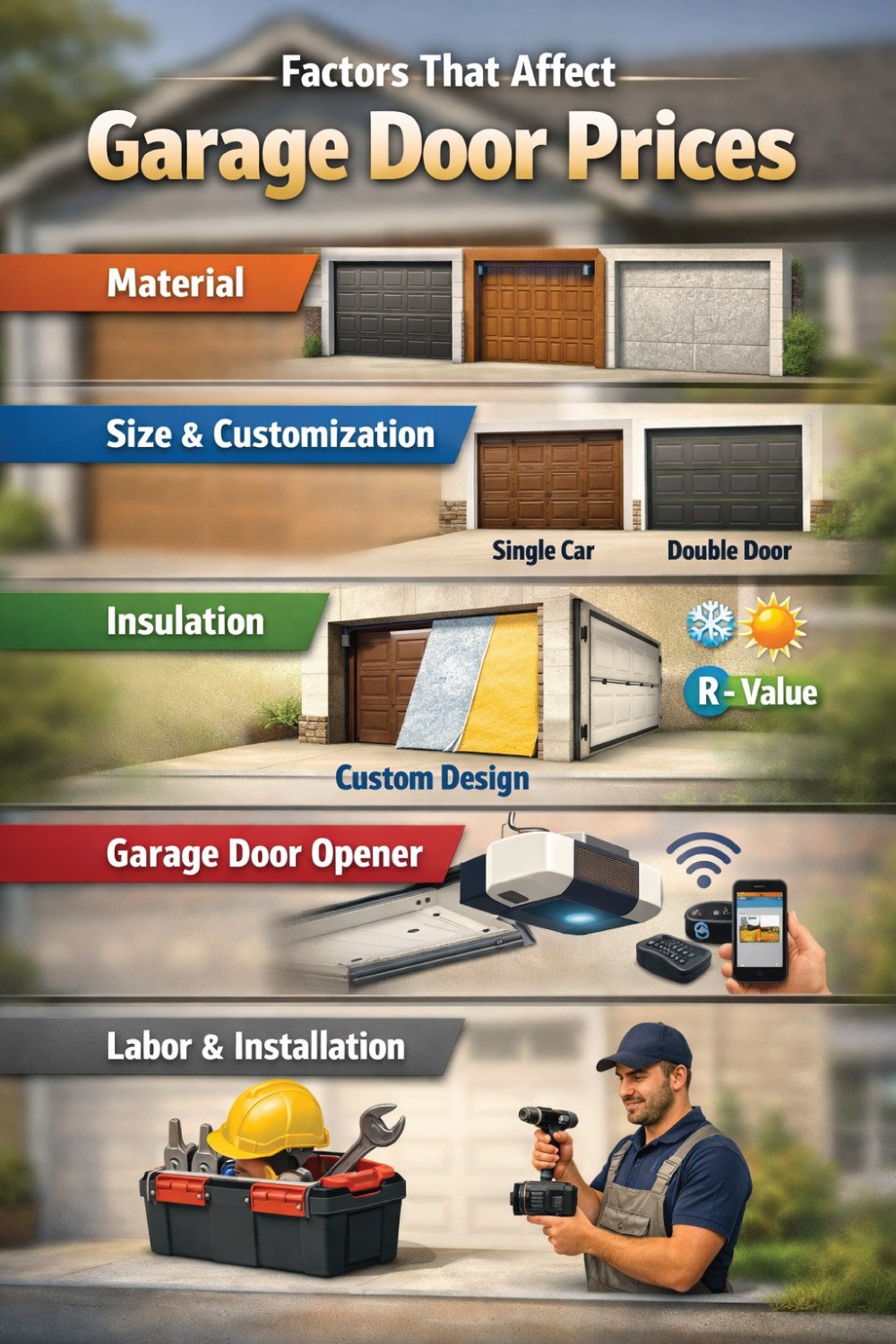
Garage door pricing varies widely based on several key factors that influence performance, appearance, and long-term value. From materials and insulation to size and installation, understanding these elements helps homeowners make informed decisions that fit both their budget and functional needs.
1. Material
The material of your garage door significantly impacts its price, durability, and maintenance requirements. Steel doors are affordable and long-lasting, wood offers a premium look but requires upkeep, and fiberglass is lightweight and dent-resistant. Choosing the right material balances aesthetics, functionality, and budget considerations.
Key Points:
Steel: durable, budget-friendly, low maintenance
Wood: elegant, customizable, higher cost and upkeep
Fiberglass: lightweight, resists dents, may fade over time
2. Size and Customization
Garage door size and design customization directly affect cost. Standard single-car doors are smaller, while double or oversized doors cost more. Non-standard shapes or custom designs further increase expenses but may provide the aesthetic or functional benefits you desire.
Key Points:
Single-car doors: typically 8–9 feet wide
Double doors: usually 16–18 feet wide
Custom sizes or shapes increase cost significantly
3. Insulation
Insulation improves energy efficiency, comfort, and noise reduction. Garage doors come with varying R-values, which indicate thermal resistance. Higher R-values cost more but provide better insulation, helping reduce heating and cooling expenses while maintaining a comfortable garage environment.
Key Points:
Non-insulated: R-value 0–2, lower cost ($700–$1,500)
Polystyrene: R-value 6–9, mid-range cost ($1,200–$2,500)
Polyurethane: R-value 10–18, higher cost ($1,500–$3,000)
4. Garage Door Opener
Automatic openers add convenience, security, and functionality but vary in price depending on features. Options include Wi-Fi connectivity, battery backup, smartphone control, and quiet operation. Premium models provide more advanced features at higher costs.
Key Points:
Standard openers: $200–$500
Premium openers: $500–$800+
Features: Wi-Fi, battery backup, smart control, quiet operation
5. Labor and Installation
Professional installation ensures your garage door operates safely and efficiently. Labor costs depend on complexity, location, and the type of door being installed. Investing in professional setup prevents potential safety hazards and reduces the risk of long-term maintenance issues.
Key Points:
-
Installation costs: $150–$500 on average
-
Complexity, door type, and location affect pricing
-
Professional installation ensures safety and proper function
🚪 Read More: Garage Door Repair Tips ➜ Why Won’t My Garage Door Open? How To Fix
Cost Breakdown by Garage Door Material
Choosing the right garage door material impacts cost, durability, maintenance, and overall appearance. Steel, wood, aluminum, and fiberglass each offer unique benefits and drawbacks, from affordability and low maintenance to elegance and customization. Understanding the pros and cons of each material helps homeowners make an informed decision that balances budget, style, and long-term performance.
Steel Doors
Steel doors are the most common and budget-friendly option for homeowners. Available in insulated and non-insulated versions, they offer durability and weather resistance, making them suitable for a wide range of climates. Steel doors are ideal if you want a low-maintenance, reliable, and cost-effective solution.
Pros:
-
Durable and long-lasting
-
Low maintenance
-
Affordable
Cons:
-
Can rust if coating is damaged
-
Less premium or classic appearance
Wood Doors
Wood garage doors are valued for their rich, natural beauty and classic curb appeal. They can be tailored with custom designs, stains, and finishes to complement both traditional and upscale homes. However, their heavier construction and sensitivity to weather mean they demand more care and investment over time, making them best suited for homeowners prioritizing aesthetics over low maintenance.
Pros:
-
Highly customizable
-
Elegant, high-end appearance
-
Classic and traditional aesthetic
Cons:
-
Expensive upfront
-
Requires regular maintenance
-
Susceptible to warping or decay
Aluminum Doors
Pros:
Lightweight and easy to operate
Rust-resistant
Suitable for modern designs
Cons:
Can dent easily
Moderate durability compared with steel
Fiberglass Doors
Fiberglass doors mimic the look of wood while being lighter and more resistant to weather conditions. They require less maintenance than wood, but over time they can yellow or fade if not properly cared for. Fiberglass doors are ideal for homeowners seeking a wood-like aesthetic without the upkeep.
Pros:
Lightweight and low maintenance
Resists weather and moisture
Mimics wood appearance
Cons:
Can yellow or fade over time
Higher initial cost
Less sturdy than steel
🚪 Read More: Garage Door Repair Tips ➜ How to Fix a Garage Door Off Track: Complete Guide
Hidden Costs to Consider
When planning for a new garage door, the upfront price isn’t the only expense. Additional costs—such as removing the old door, custom finishes, decorative hardware, or permits—can add hundreds of dollars to your project. Accounting for these hidden expenses helps homeowners budget accurately and avoid unexpected financial surprises during installation.
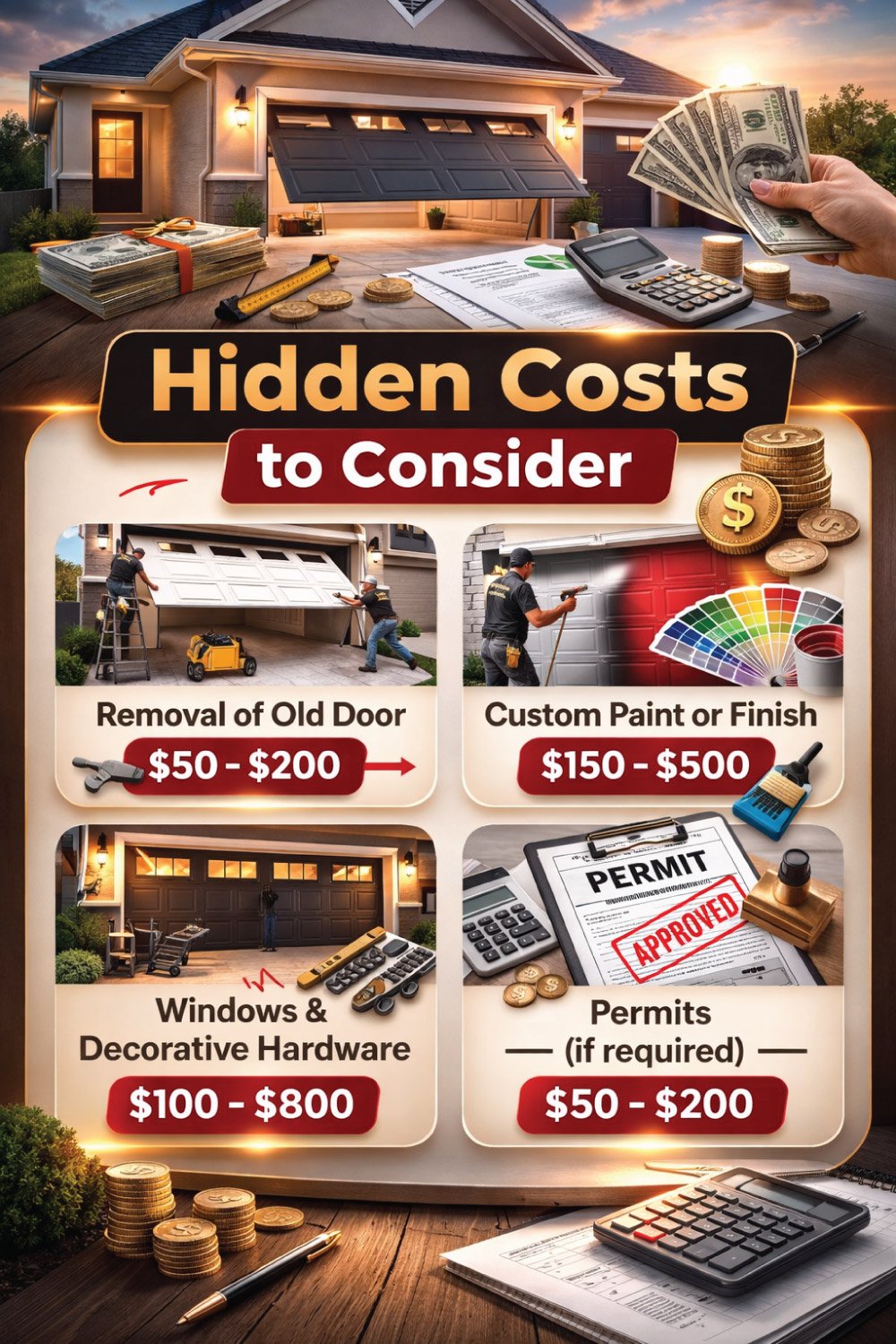
Removal of Old Door: $50 – $200
Custom Paint or Finish: $150 – $500
Windows or Decorative Hardware: $100 – $800
Permits (if required): $50 – $200
Failing to account for these costs can turn an “affordable” door into a pricey renovation.
Signs You Need a New Garage Door
Excessive dents or damage
Rust or warping
Noisy operation
Frequent breakdowns of the opener
Outdated style affecting your home’s curb appeal
Replacing your garage door can also increase your home’s resale value by up to 5–10%.
DIY vs. Professional Installation
Choosing between DIY and professional garage door installation depends on your experience, tools, and the type of door being installed. While smaller, lightweight doors may be manageable for skilled homeowners, garage doors involve heavy components and high-tension parts that can be dangerous if handled incorrectly. Weighing the advantages and drawbacks of each option helps you decide the safest and most cost-effective approach for long-term performance.

DIY Pros: Saves money on labor, satisfying project
DIY Cons: Risky, time-consuming, may void warrantyProfessional Pros: Safe, efficient, ensures warranty
Professional Cons: Additional cost
Ways to Save on a New Garage Door
Buying a new garage door doesn’t have to break the budget. Smart strategies—like comparing quotes from multiple installers, choosing cost-effective materials, shopping during seasonal sales, bundling doors with openers, or reusing existing hardware—can help you save significantly. Planning ahead allows you to get a high-quality door without overspending.
Compare multiple quotes from local garage door installers
Consider steel doors with wood-look finishes for a premium appearance at lower cost
Shop during seasonal sales, like spring or fall
Buy a door and opener bundle for discounts
Reuse hardware and components if possible
Final Thoughts:
If you’re wondering “how much is a new garage door?”, the realistic budget range for 2026 is:
Basic Steel Door: $700 – $1,500
Mid-range Insulated or Aluminum Door: $1,200 – $2,500
High-end Wood or Custom Door: $3,000 – $6,000+
Investing in a quality garage door ensures safety, improves your home’s aesthetic, and can save you money in energy efficiency over time.
🚪 Read More: Garage Door Repair Tips ➜ How to Test Garage Door Sensors with a Multimeter: Complete DIY Guide

Engineer Ali Hasan is a garage door expert and the founder of FixFasty. With over 16 years of experience in mechanical systems and home maintenance, he provides practical, step-by-step guides on garage door installation, repairs, and maintenance, helping homeowners keep their garage doors safe, reliable, and long-lasting.