
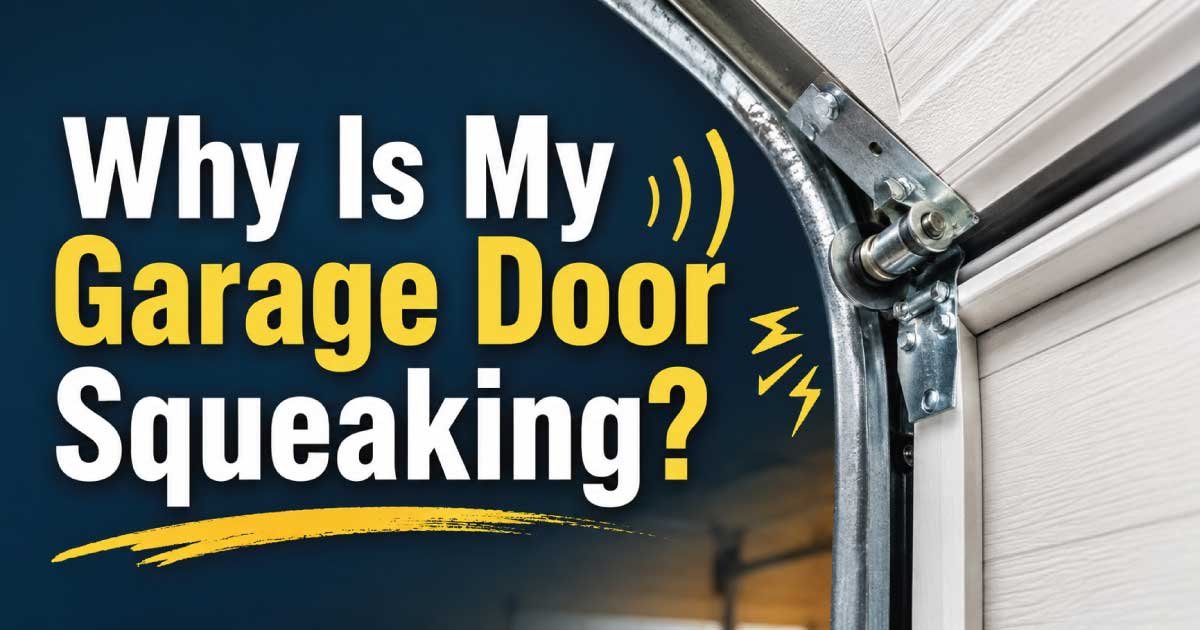
A squeaking garage door may seem like a minor annoyance, but it is often one of the first warning signs that something needs attention. In many cases, the noise comes from normal wear and tear, dry moving parts, loose hardware, or components that need cleaning and lubrication. Sometimes, however, persistent squeaking can point to a worn roller, damaged hinge, failing bearing, or another mechanical issue that should not be ignored.
Addressing the problem early can prevent unnecessary wear, reduce the risk of more expensive repairs, and help your garage door operate safely and quietly. A garage door is one of the largest moving systems in your home, and every opening and closing cycle puts stress on dozens of interconnected parts. Even a small squeak can eventually become a larger repair if left unchecked.
This repair guide explains why your garage door is squeaking, how the system normally works, the most common causes, essential safety precautions, the tools you’ll need, and a step-by-step troubleshooting process. Whether you’re dealing with an occasional chirp or a loud screech every time the door moves, you’ll learn how to diagnose the problem confidently and determine whether a simple DIY repair or professional repair is the best solution.
Common Signs and Symptoms
A squeaking garage door rarely makes the same sound in every situation. The type, location, and timing of the noise often provide valuable clues about the underlying problem. Paying close attention during an inspection can make troubleshooting much easier and prevent replacing parts unnecessarily.
Common signs include:
- High-pitched squeaking while the door opens.
- Squeaking only when the door closes.
- Loud screeching near the top or bottom of the door’s travel.
- Chirping sounds that become louder over time.
- Metal-on-metal rubbing noises.
- Grinding accompanied by squeaking.
- Jerky or uneven door movement.
- Door moving slower than usual.
- Increased vibration during operation.
- Noises that occur only during cold or humid weather.
- Squeaking that disappears briefly after lubrication but quickly returns.
- A noisy garage door opener even though the opener itself is functioning normally.
You may also notice related warning signs such as:
- Rollers wobbling inside the track.
- Loose hinges.
- Visible rust on moving parts.
- Black metal dust around hinges or rollers.
- Gaps between door sections.
- Increased resistance when opening the door manually.
The exact symptoms help narrow the diagnosis. For example, a squeak that occurs at the same point during every cycle usually indicates a specific worn component, while a squeak throughout the entire movement often points to dry hardware that needs maintenance.
How the Garage Door System Normally Works
Understanding how a garage door operates makes it much easier to identify what has gone wrong. Although the system appears simple from the outside, many moving parts work together every time the door opens or closes. When one component develops excessive friction or wear, squeaking is often the first symptom.
A typical residential garage door includes:
- Rollers that travel inside metal tracks.
- Hinges connecting each door section.
- Torsion or extension springs that counterbalance the door’s weight.
- Cables that assist the spring system.
- Bearings that allow rotating components to move smoothly.
- An automatic opener that pulls or pushes the door.
- Brackets, fasteners, and support hardware.
During normal operation:
- The opener activates or you lift the door manually.
- Springs offset most of the door’s weight.
- Rollers glide through the tracks.
- Hinges flex as each section bends along the curved track.
- Bearings rotate with minimal friction.
- The door reaches the fully open or closed position smoothly and quietly.
A properly maintained garage door should produce only a low mechanical hum. Excessive squeaking usually means friction has increased somewhere in the system. The goal of diagnosis is identifying exactly where that friction is occurring instead of simply spraying lubricant on every part.
Most Common Reasons This Problem Happens
Most squeaking problems originate from a handful of mechanical issues. Identifying the correct cause saves time, prevents unnecessary replacement parts, and helps ensure the repair actually solves the problem rather than masking it temporarily.
Dry Rollers
Rollers move every time the door operates, making them one of the most common sources of squeaking. Over time, factory lubrication wears away, allowing increased friction between moving surfaces.
Why it happens
- Lubricant dries out.
- Dirt removes protective grease.
- Heavy use accelerates wear.
Symptoms
- Squeak during the entire door movement.
- Noise becomes louder over several weeks.
- Rollers appear dry or dusty.
How to identify it
Watch each roller while someone else operates the door. A noisy roller often squeaks as it enters the curved portion of the track.
Worn Hinges
Door hinges constantly pivot as each panel bends around the track. Their pivot points eventually wear, producing squeaks and slight looseness.
Why it happens
- Normal aging.
- Lack of lubrication.
- High cycle usage.
Symptoms
- Sharp chirping sounds.
- Noise near the center of the door.
- Slight movement around hinge screws.
How to identify it
Inspect hinges for rust, cracks, or excessive play while the door moves slowly.
Rust and Corrosion
Moisture is one of the biggest enemies of garage door hardware. Even garages that stay relatively dry can experience condensation during seasonal temperature changes.
Why it happens
- Humidity.
- Water exposure.
- Salt in coastal environments.
Symptoms
- Rough metal surfaces.
- Orange or brown corrosion.
- Grinding combined with squeaking.
How to identify it
Look closely at rollers, hinges, springs, and bearings for visible rust.
Loose Hardware
Garage doors vibrate every time they operate. Over hundreds or thousands of cycles, bolts and nuts can gradually loosen.
Why it happens
- Constant vibration.
- Seasonal expansion and contraction.
- Normal wear.
Symptoms
- Rattling together with squeaking.
- Door shakes more than usual.
- Hardware visibly loose.
How to identify it
Inspect brackets, hinges, and track mounting bolts for movement.
Worn Bearings
Bearings allow shafts and pulleys to rotate smoothly. When lubrication fails or bearings wear out, friction increases rapidly.
Why it happens
- Age.
- Dirt contamination.
- Lack of maintenance.
Symptoms
- High-pitched squeal.
- Noise near the spring shaft.
- Rough rotation.
How to identify it
Listen near the torsion spring shaft while the door moves. A failing bearing often produces a distinct squeal.
Dirty Tracks
Contrary to popular belief, garage door tracks usually do not need lubrication. However, dirt, debris, and hardened grease inside the tracks can interfere with roller movement.
Why it happens
- Dust buildup.
- Leaves and insects.
- Old grease collecting dirt.
Symptoms
- Intermittent squeaking.
- Rollers hesitate.
- Uneven movement.
How to identify it
Inspect the tracks using a flashlight for debris or buildup.
Safety Precautions Before Troubleshooting
Garage doors are heavy, and some components store tremendous mechanical energy. Before beginning any troubleshooting or DIY repair, take a few simple precautions to reduce the risk of injury. Many inspection tasks are safe for homeowners, but certain repairs should only be handled by trained technicians.
Before starting:
- Disconnect the automatic opener using the emergency release if you plan to inspect the door manually.
- Keep children and pets away from the work area.
- Wear safety glasses to protect your eyes from dust and metal particles.
- Use work gloves when handling metal parts.
- Make sure the ladder is stable before climbing.
- Work in a well-lit area.
Never attempt to:
- Adjust torsion springs.
- Remove spring brackets.
- Disconnect lift cables under tension.
- Disassemble bearing plates attached to loaded springs.
These components are under significant tension and can cause serious injury if released unexpectedly.
If the door appears crooked, one cable is loose, or a spring has broken, stop troubleshooting immediately and arrange for a professional repair instead of continuing with DIY repairs.
Tools Required
Most garage door inspections require only basic household tools. Having the right equipment helps you diagnose the source of the squeak more accurately without damaging any components.
| Tool | Purpose |
|---|---|
| Flashlight | Inspect rollers, hinges, and tracks |
| Step ladder | Safely reach upper hardware |
| Socket wrench set | Tighten loose bolts and brackets |
| Screwdriver set | Inspect and tighten screws |
| Garage door lubricant | Lubricate approved moving parts |
| Clean microfiber cloth | Remove dirt and old lubricant |
| Small nylon brush | Clean debris from hardware |
| Safety glasses | Protect eyes during inspection |
| Work gloves | Protect hands from sharp edges |
Step-by-Step Troubleshooting Guide
Following a logical troubleshooting sequence helps isolate the actual source of the squeak instead of guessing. Complete each step before moving to the next, and avoid making multiple changes at once so you can clearly identify what resolves the noise.
Listen carefully during operation
- What to inspect: Where the squeak begins and ends.
- Why it matters: The location often identifies the faulty component.
- Expected result: Narrow the problem to one section of the door.
- What to do next: Inspect that area closely.
Inspect the rollers
- What to inspect: Cracks, flat spots, excessive wobbling, or dryness.
- Why it matters: Rollers are among the most common causes of squeaking.
- Expected result: Rollers should rotate smoothly.
- What to do next: Clean or lubricate if appropriate, or note damaged rollers for replacement.
Check the hinges
- What to inspect: Rust, loose screws, and worn pivot points.
- Why it matters: Hinges flex constantly and wear naturally.
- Expected result: Hinges should remain secure with minimal play.
- What to do next: Tighten loose hardware and inspect for damage.
Look at the tracks
- What to inspect: Dirt, dents, and obstructions.
- Why it matters: Debris can create unnecessary friction.
- Expected result: Tracks should be clean and unobstructed.
- What to do next: Wipe away debris without applying grease inside the track.
Inspect bearings and brackets
- What to inspect: Signs of wear or unusual movement.
- Why it matters: Worn bearings often create persistent squealing noises.
- Expected result: Components should rotate smoothly.
- What to do next: If wear is obvious, schedule replacement.
Test the door manually
- What to inspect: Smooth movement without the opener.
- Why it matters: This helps determine whether the noise comes from the door or the opener.
- Expected result: The door should move evenly and with moderate resistance.
- What to do next: If the squeak remains, continue focusing on the door hardware rather than the opener.
Quick Diagnosis Table
The table below summarizes the most common symptoms, their likely causes, and the recommended next step. It provides a quick reference before beginning more detailed repairs.
| Symptom | Possible Cause | Recommended Solution |
|---|---|---|
| Squeaks throughout movement | Dry rollers | Inspect and lubricate approved roller bearings |
| Chirping near door panels | Worn hinges | Tighten hardware and inspect hinge wear |
| Loud screech near spring shaft | Worn bearing | Inspect bearing assembly and replace if worn |
| Grinding with squeaking | Rust or corrosion | Clean affected parts and evaluate for replacement |
| Noise at one specific point | Damaged roller or hinge | Inspect that exact section during movement |
| Rattling and squeaking together | Loose hardware | Tighten brackets, bolts, and hinge fasteners |
| Intermittent squeaking | Dirty tracks | Clean tracks and remove debris |
| Squeak remains after lubrication | Worn mechanical component | Perform a detailed inspection and prepare for part replacement |
How to Fix Each Common Cause
Once you have identified the source of the squeaking, the next step is to make the appropriate repair. Start with the simplest solutions before replacing parts. In many cases, proper maintenance restores quiet operation. However, if a component shows excessive wear or damage, replacement is usually more effective than repeated lubrication.
Fix Dry Rollers
Dry rollers are one of the easiest problems to solve.
Safety tip: Disconnect the garage door opener before working around moving parts. Never place your fingers inside the track while the door is moving.
Repair steps:
- Wipe dirt and old lubricant from each roller with a clean cloth.
- Inspect the roller wheels for cracks or flat spots.
- Apply a garage door lubricant to the roller bearings or metal shafts.
- Avoid spraying lubricant directly onto nylon roller wheels unless the manufacturer recommends it.
- Open and close the door several times to distribute the lubricant.
When replacement is necessary
Replace rollers if you notice:
- Cracked wheels
- Bent shafts
- Excessive wobbling
- Flat spots
- Bearings that remain noisy after lubrication
Many older steel rollers become noisy as they age. Upgrading to high-quality nylon rollers with sealed bearings often makes a noticeable difference in noise levels.
Repair Worn Hinges
Garage door hinges experience constant movement and eventually wear out.
Safety tip: Do not remove multiple hinges at the same time, as they help keep door sections aligned.
Repair steps:
- Tighten loose mounting screws.
- Apply lubricant to the hinge pivot points.
- Inspect for elongated screw holes.
- Check for cracked or bent hinges.
- Replace damaged hinges with the correct numbered replacement.
If a hinge continues squeaking after lubrication and tightening, worn pivot holes are usually the cause. Replacement is the best long-term solution.
Remove Rust and Corrosion
Rust increases friction and accelerates wear.
Safety tip: Wear gloves and eye protection while cleaning rusted metal.
Repair steps:
- Brush away loose rust using a nylon brush.
- Wipe the surface clean.
- Apply garage door lubricant to moving joints.
- Replace heavily corroded hardware.
Light surface rust is usually manageable, but deeply pitted components should be replaced before they fail.
Tighten Loose Hardware
Garage door vibration naturally loosens fasteners over time.
Repair steps:
- Inspect all visible bolts and nuts.
- Tighten hardware securely without overtightening.
- Check track brackets.
- Inspect opener mounting hardware.
- Verify that hinges remain firmly attached.
Do not adjust bolts attached directly to torsion spring assemblies unless you are trained to work on high-tension systems.
Replace Worn Bearings
Bearings eventually wear even with proper maintenance.
Common signs include:
- Persistent squealing
- Rough rotation
- Visible wobble
- Grinding sounds
Because torsion shaft bearings are often located near high-tension springs, homeowners should leave most bearing replacements to experienced garage door technicians.
Clean Dirty Tracks
Tracks guide the rollers but are not intended to be heavily lubricated.
Cleaning steps:
- Remove loose debris.
- Wipe the inside of both tracks with a damp cloth.
- Dry thoroughly.
- Inspect for dents.
- Confirm track alignment.
If the track is bent, avoid hammering it aggressively. Minor bends may be corrected carefully, but significant damage usually requires replacement.
Advanced Troubleshooting
If basic maintenance does not eliminate the squeaking, the problem may involve less common mechanical issues. These failures are harder to diagnose because the sound often travels through the metal door and seems to come from a different location than the actual source.
Inspect the Torsion Spring Center Bearing
The center bearing supports the torsion shaft as it rotates.
Possible symptoms include:
- Squealing from above the center of the door
- Noise during both opening and closing
- Smooth door movement despite loud squeaks
A dry or worn bearing often needs replacement rather than lubrication.
Check Cable Drums
Cable drums guide the lift cables as the door moves.
Inspect for:
- Uneven cable winding
- Excessive wear
- Loose mounting hardware
Never remove or loosen cable drums while the springs remain under tension.
Examine the Garage Door Opener
Sometimes the opener—not the door—is responsible for the noise.
Inspect:
- Drive chain
- Belt
- Rail
- Trolley
- Motor mounting bolts
A loose chain may rattle, while a worn belt can squeak under load.
Look for Door Misalignment
An improperly balanced or misaligned door places additional stress on rollers and hinges.
Signs include:
- Uneven gaps
- One side moving faster
- Rollers rubbing against track edges
Misalignment often requires professional adjustment to prevent premature wear.
Inspect Weather Conditions
Temperature changes affect garage doors more than many homeowners realize.
Cold weather may:
- Thicken lubricants
- Shrink metal slightly
- Increase friction
High humidity may:
- Promote rust
- Wash away lubrication
- Increase corrosion
Seasonal maintenance helps prevent weather-related squeaks.
When Repair Is Not Worth It
Although many squeaking issues are inexpensive to fix, there comes a point when replacing major components—or even the entire garage door—is the more practical option.
Replacement may be the smarter investment if:
- Multiple rollers have failed.
- Several hinges are worn.
- Tracks are badly bent.
- The door has structural damage.
- Springs and bearings are nearing the end of their service life.
- The opener is outdated and unreliable.
- Repair costs approach the value of a new system.
Older wooden garage doors may also develop widespread structural problems that make repeated repairs uneconomical.
If your garage door is more than 20 years old and requires frequent repairs, replacing the entire system may improve safety, reliability, energy efficiency, and noise reduction.
Preventive Maintenance Tips
Regular maintenance is the easiest way to prevent squeaking and extend the life of your garage door. Most homeowners can complete a basic inspection in less than 20 minutes a few times each year.
Recommended maintenance includes:
- Inspect rollers every six months.
- Lubricate hinges and bearings with garage door lubricant.
- Tighten loose hardware annually.
- Clean tracks regularly.
- Remove leaves, dirt, and cobwebs.
- Check weather seals for wear.
- Watch for rust.
- Listen for new noises during operation.
- Test the door balance periodically.
- Schedule professional inspections every few years for heavily used doors.
Avoid using general-purpose penetrating oils as a long-term lubricant. Products specifically designed for garage doors typically provide better protection and attract less dirt.
Preventive maintenance costs very little compared to replacing worn components caused by neglect.
Common Mistakes to Avoid
Many homeowners unintentionally make the squeaking worse while attempting a DIY repair. Avoiding these mistakes saves time and reduces the risk of damaging the door.
Common mistakes include:
- Lubricating the tracks instead of the moving parts.
- Ignoring a squeak until it becomes a grinding noise.
- Using heavy grease that collects dust.
- Overtightening bolts and stripping threads.
- Replacing the wrong hinge number.
- Mixing incompatible replacement rollers.
- Continuing to operate a damaged door.
- Attempting spring repairs without proper training.
- Assuming every squeak comes from the opener.
- Skipping routine maintenance after fixing the immediate problem.
A careful inspection is always more effective than replacing parts based on guesswork.
When to Call a Professional
Many garage door squeaks can be resolved with cleaning, lubrication, or minor hardware adjustments. However, certain problems involve significant safety risks or require specialized tools.
Call a professional if:
- A torsion spring is broken.
- Lift cables are frayed or loose.
- Bearings attached to spring assemblies need replacement.
- The door is crooked.
- The door feels unusually heavy.
- Tracks require major realignment.
- The opener strains excessively.
- You hear loud bangs along with squeaking.
- The door reverses unexpectedly.
- The source of the noise cannot be identified after a thorough inspection.
Professional technicians can safely perform repairs that involve high-tension components and verify that the entire system operates correctly after the repair.
Estimated Repair Costs
The table below provides typical repair cost ranges. Actual prices vary depending on your location, garage door model, and labor rates.
| Repair | Estimated Cost | DIY or Professional |
|---|---|---|
| Lubricate moving parts | $10–$25 | DIY |
| Clean tracks | $0–$20 | DIY |
| Tighten hardware | $0–$15 | DIY |
| Replace one roller | $10–$40 per roller | DIY or Professional |
| Replace multiple rollers | $100–$250 | Professional |
| Replace hinge | $15–$50 | DIY |
| Replace bearing | $100–$250 | Professional |
| Track realignment | $125–$300 | Professional |
| Spring replacement | $150–$400 | Professional |
| Garage door opener repair | $100–$350 | Professional |
Frequently Asked Questions
1. Why is my garage door squeaking every time it opens?
A garage door that squeaks every time it opens usually has dry rollers, hinges, or bearings. Inspect the moving parts for signs of wear, rust, or missing lubrication. If the noise continues after proper maintenance, one or more components may have worn beyond repair and require replacement.
2. Is it safe to use my garage door if it is squeaking?
Yes, a mildly squeaking garage door is often safe to use temporarily, but it should be inspected soon. Persistent noise may indicate increasing friction or worn parts that could eventually affect safe operation. Addressing the issue early helps prevent larger and more expensive repairs.
3. What lubricant should I use on a squeaky garage door?
A silicone-based or lithium-based lubricant designed specifically for garage doors is generally the best choice. These products reduce friction without attracting excessive dirt. Avoid using heavy grease or relying on penetrating oils as your primary long-term lubricant.
4. Should I lubricate the garage door tracks?
No, garage door tracks generally should not be lubricated. The tracks are designed to guide the rollers, not provide a lubricated surface. Instead, keep the tracks clean and apply lubricant only to the appropriate moving parts, such as rollers, hinges, and bearings.
5. Can cold weather make my garage door squeak?
Yes, cold weather can contribute to garage door squeaking. Lower temperatures may thicken lubricants, increase friction, and slightly change how metal components fit together. Seasonal maintenance before winter helps reduce weather-related noise and improves overall performance.
6. How often should I perform garage door maintenance?
Most homeowners should inspect and lubricate their garage door every six months. Homes with heavy daily use may benefit from more frequent inspections. Regular preventive maintenance extends component life, improves reliability, and helps identify small problems before they become costly repairs.
7. How do I know if a roller needs replacement instead of lubrication?
A roller should be replaced if it is cracked, chipped, badly worn, loose, or continues making noise after proper lubrication. Rollers with damaged bearings or flat spots cannot usually be restored through maintenance and will continue creating unnecessary friction.
8. Can a garage door opener cause squeaking?
Yes, although the door itself is the more common source, a garage door opener can also squeak. Worn drive components, loose mounting hardware, or a noisy trolley may produce sounds that resemble door problems. Inspect both the opener and the door before making repairs.
9. Why does my garage door squeak only at one spot?
A squeak that occurs at the same point during every cycle usually indicates a localized problem. Common causes include a damaged roller, worn hinge, bent track, or debris at a specific location. Watching the door move slowly often helps pinpoint the exact source.
Final Thoughts
A squeaky garage door is more than just an irritating noise—it is often an early warning that your garage door system needs attention. In many cases, the problem can be traced to dry rollers, worn hinges, loose hardware, rust, or dirty components. Identifying the source of the noise before replacing parts saves both time and money while preventing unnecessary wear on the rest of the system.
The safest approach is to begin with a careful visual inspection, follow a logical troubleshooting process, and perform only those DIY repairs that are within your skill level. Simple maintenance, including regular cleaning, proper lubrication, and periodic inspections, will prevent many common causes of garage door squeaking and extend the life of the entire system.
If your diagnosis reveals damaged springs, frayed cables, major alignment issues, or worn high-tension components, stop using the door until a qualified technician can inspect it. Prioritizing safety and preventive maintenance ensures your garage door remains reliable, quiet, and secure for years to come. Whether you’re troubleshooting a minor chirp or a persistent squeal, addressing the issue promptly is the best way to keep your garage door operating smoothly.

Engineer Ali Hasan is a garage door expert and the founder of FixFasty. With over 16 years of experience in mechanical systems and home maintenance, he provides practical, step-by-step guides on garage door installation, repairs, and maintenance, helping homeowners keep their garage doors safe, reliable, and long-lasting.