
Your garage door is one of the hardest-working parts of your home. It opens and closes hundreds sometimes thousands of times a year, often without much thought from homeowners. Yet when it fails, the inconvenience can be immediate and costly. The good news? With a few smart garage door maintenance hacks, you can extend its lifespan, avoid expensive repairs, and save both time and money.
This guide walks you through practical, easy to follow maintenance strategies that do not require advanced mechanical skills or costly tools. Whether you have a traditional manual garage door or a modern automatic system, these tips will help you keep everything running smoothly year-round.
Why Garage Door Maintenance Matters More Than You Think
Most homeowners tend to overlook their garage door until something goes wrong, such as it getting stuck, making loud noises, or refusing to open. However, waiting for a breakdown is risky because lack of regular care is one of the leading causes of early garage door failure and costly repairs.
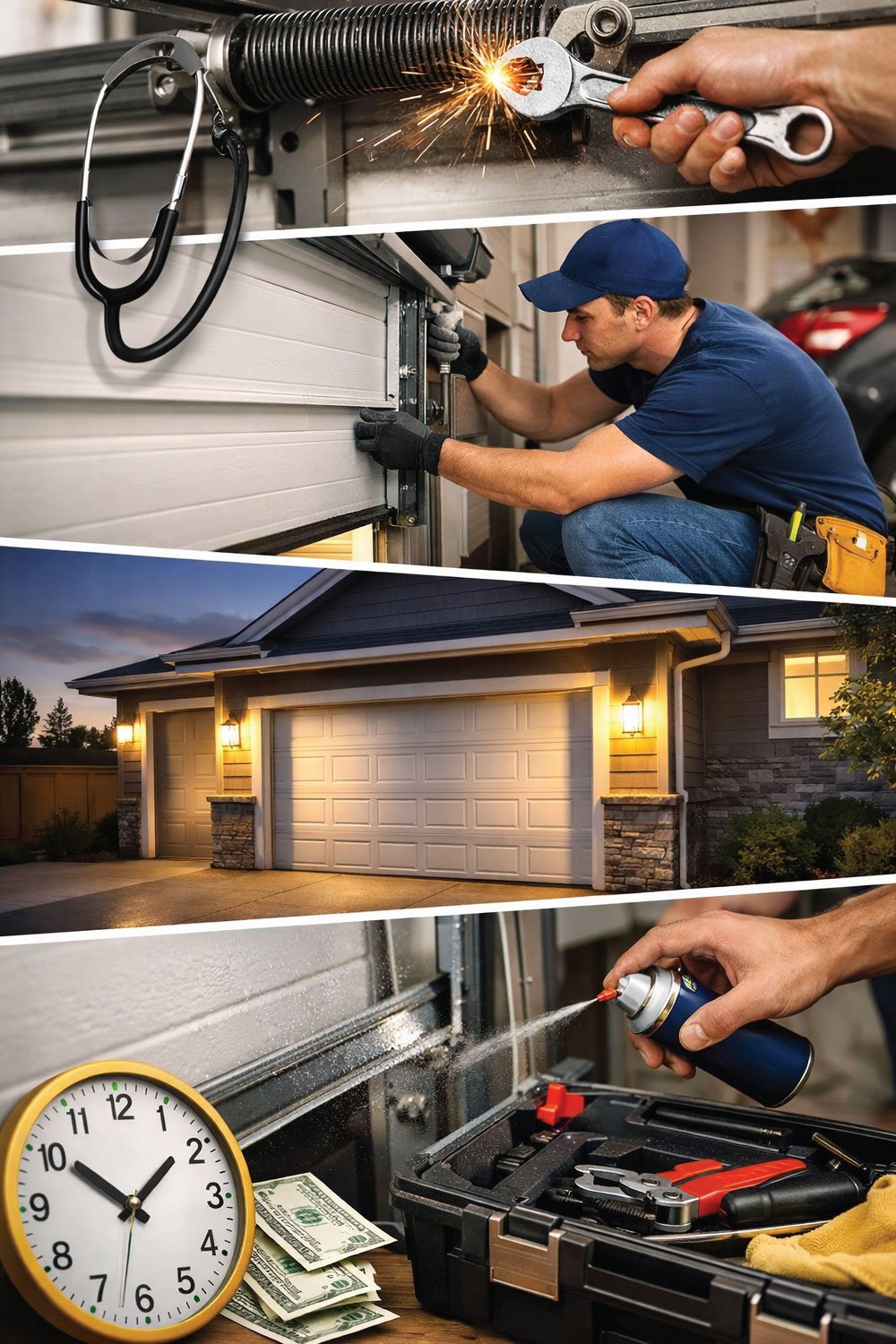
Many homeowners only think about their garage door when it stops working. Unfortunately, neglect is the number-one reason garage doors fail prematurely.
A well maintained garage door:
Operates more quietly and smoothly
Reduces wear on expensive components
Improves home security
Enhances energy efficiency
Prevents unexpected breakdowns
Regular maintenance isn’t about perfection It Is about consistency. Spending just 20–30 minutes every few months can prevent problems that might otherwise cost hundreds or even thousands of dollars to fix.
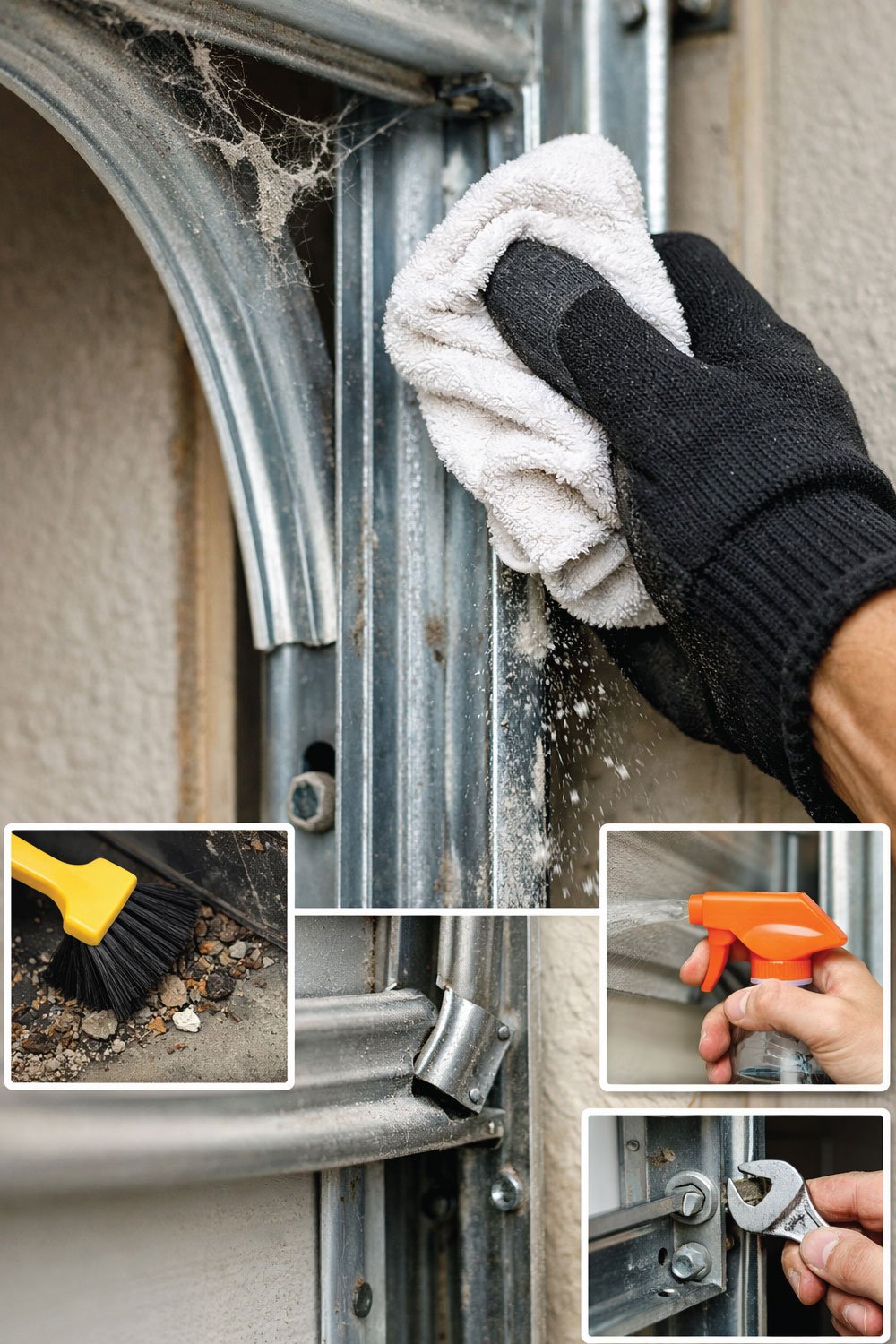
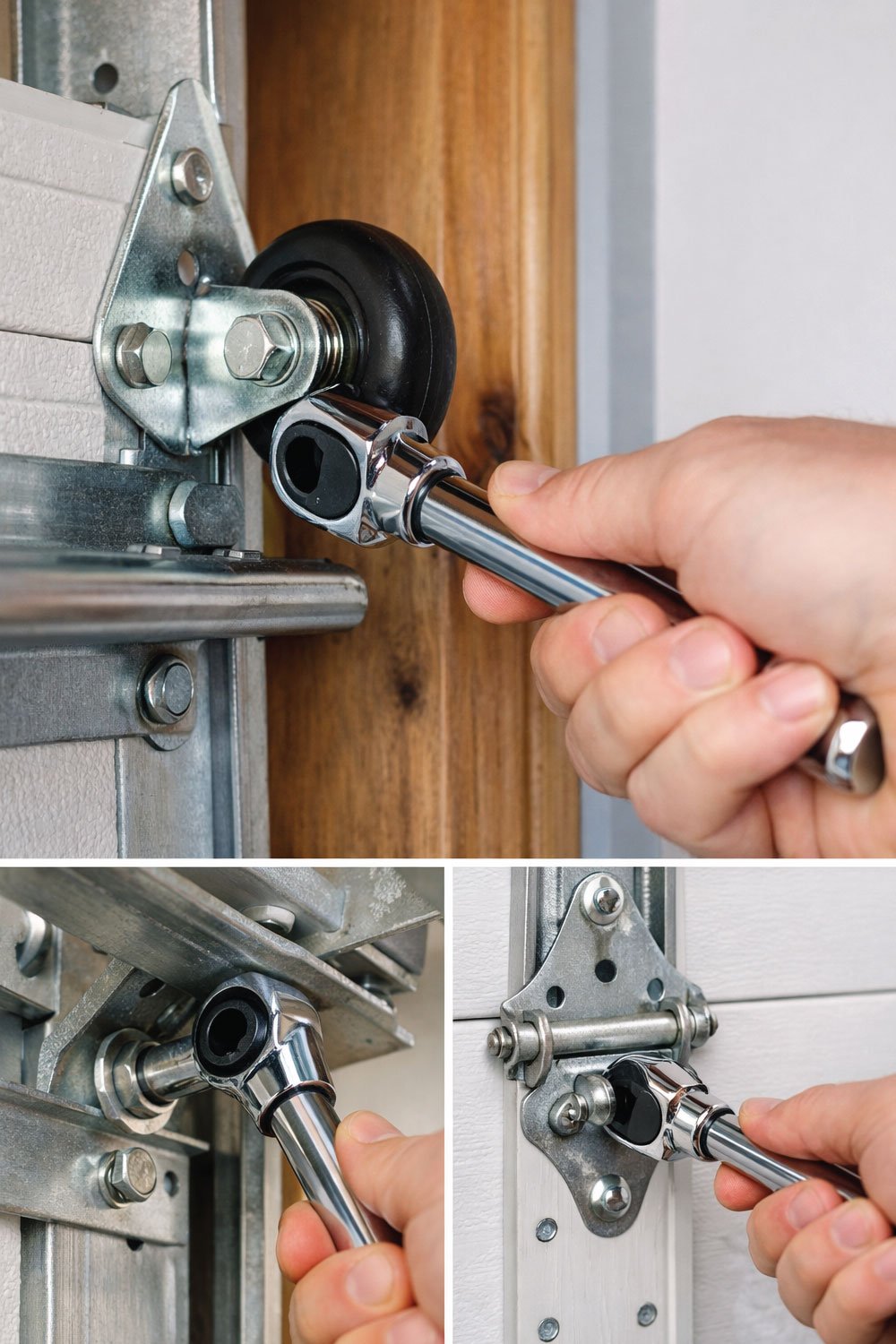
6: Inspect and Replace Worn Rollers Early
Rollers may look like minor parts, but they directly affect how smoothly and quietly your garage door operates. When they wear out, they increase friction, create noise, and put extra stress on tracks and the opener, which can shorten the lifespan of the entire system.
Rollers are small components, but they have a big impact on performance and noise.
Signs rollers need attention:
Grinding or squeaking sounds
Jerky door movement
Visible cracks or wear
Upgrading from plastic to nylon rollers with ball bearings is a smart investment. They last longer, operate quietly, and reduce strain on the entire system.
7: Check Cables and Springs Visually Only
Cables and springs are critical for balancing the weight of the garage door, but they operate under extreme tension, making them extremely dangerous to repair without proper training. Still, simple visual checks can help you detect early warning signs before serious failure occurs.
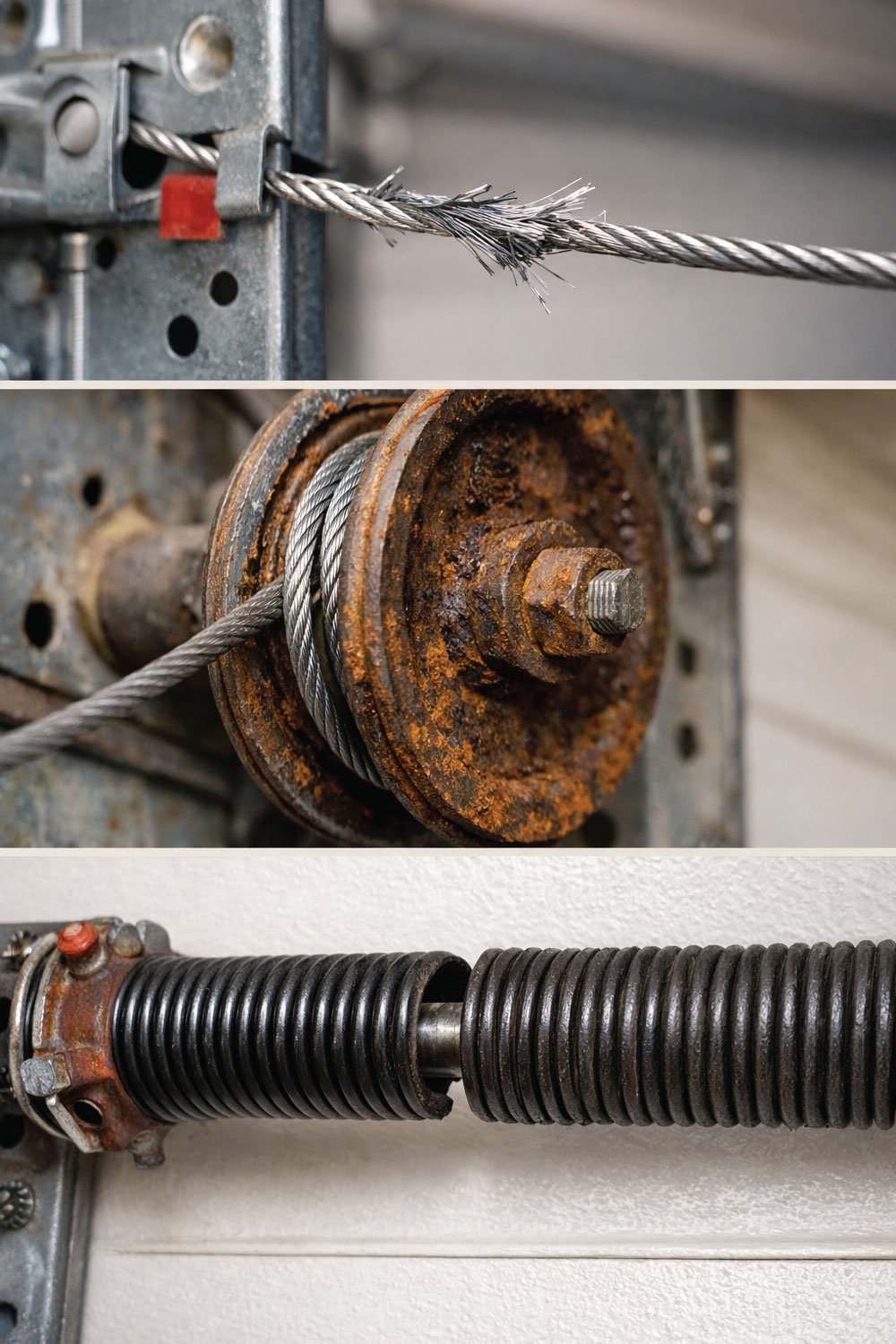
Cables and springs are under extreme tension and can be dangerous if mishandled. However, visual inspections are both safe and smart.
Look for:
Fraying cables
Rust or corrosion
Gaps in torsion springs
If you notice anything unusual, stop using the door and contact a professional. Catching these issues early can prevent major damage or injury.
👉 Keep your garage door running smoothly and safely with this essential guide! Learn simple maintenance tips, prevent costly repairs, and protect your home with easy safety checks. Don’t wait for problems to appear—discover smart, practical steps you can follow today. Read the full post now and keep your garage door in top condition!
8: Clean and Protect Weather Seals
Weather seals (or weather stripping) act as a protective barrier around your garage door, blocking out dust, moisture, pests, and temperature changes. When they degrade, comfort and energy efficiency drop while exposure to outside elements increases significantly.
Weather stripping keeps out water, dirt, pests, and cold air. When it fails, your garage becomes less energy-efficient and more vulnerable.
Maintenance tips:
Clean seals with mild soap and water
Apply silicone spray to prevent cracking
Replace brittle or torn seals promptly
Replacing weather stripping is inexpensive and can significantly reduce heating and cooling costs if your garage is attached to your home.
9: Test Safety Features Regularly
Modern garage doors are equipped with safety systems designed to prevent accidents and protect both people and property. Regular testing ensures these features are functioning properly and will respond correctly in an emergency situation.
Modern garage doors include safety systems designed to protect people, pets, and property.
Auto-reverse test:
Place a small object (like a block of wood) under the door
Close the door
If it doesn’t reverse immediately, the system needs adjustment.
Photo-eye test:
Wave an object in front of the sensors while closing, Clean dirty lenses and make sure sensors are aligned at the same height.
10: Listen Your Garage Door Talks to You
Your garage door often gives early warning signs through sound. Paying attention to unusual noises can help you identify developing issues before they become serious mechanical failures or lead to costly repairs.
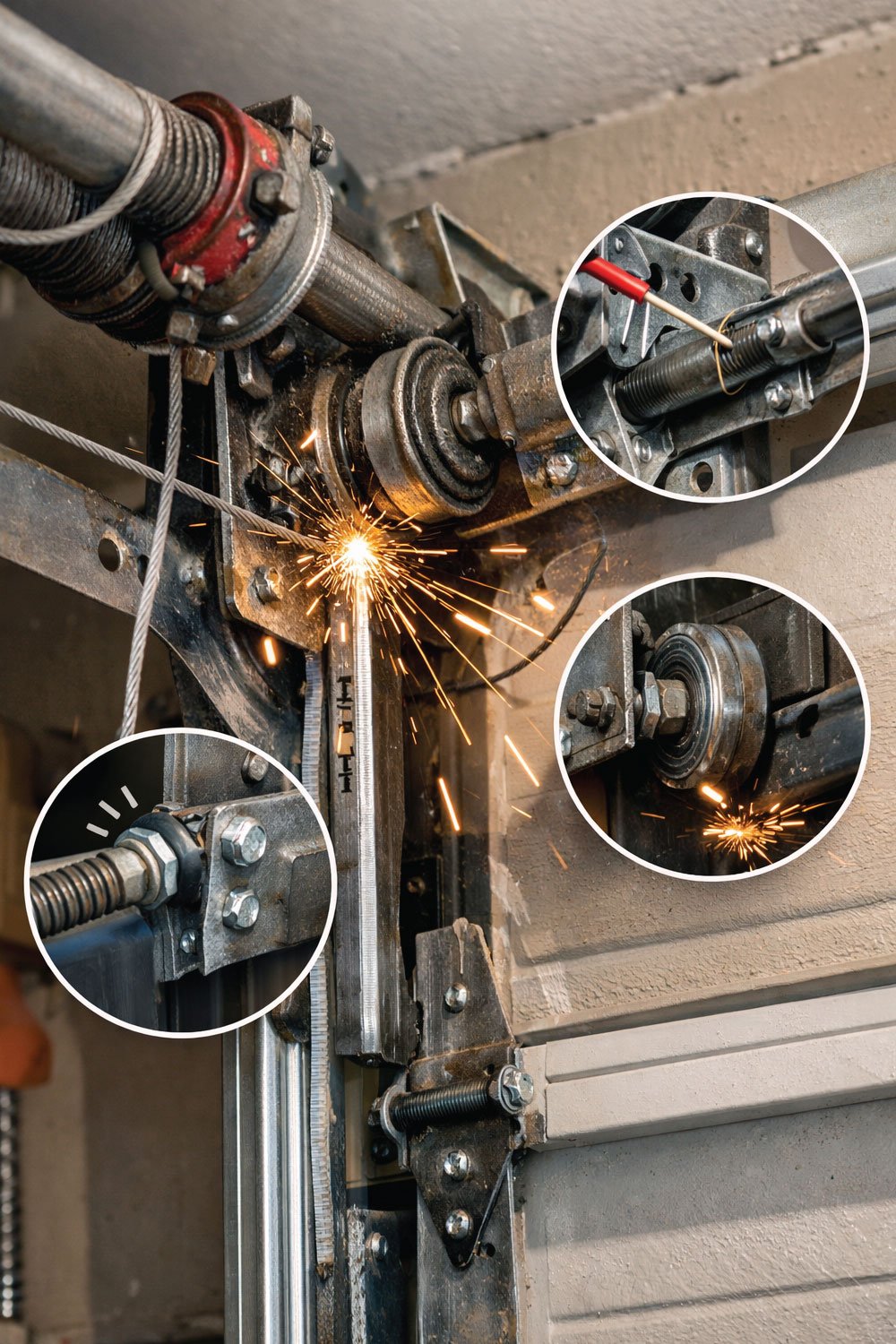
Unusual noises are often early warning signs.
What sounds can mean:
Squeaking → Needs lubrication
Grinding → Worn rollers or bearings
Banging → Loose hardware or spring issues
Addressing noises early prevents small problems from turning into major repairs.
11: Protect Your Garage Door from Weather Damage
Weather conditions such as rain, heat, humidity, and dust can gradually damage your garage door’s surface, hardware, and internal components. Over time, this exposure leads to rust, fading, warping, and reduced performance, making protective maintenance an important part of long-term care.
Weather is a silent but powerful enemy of garage doors.
Smart protection tips:
Repaint or reseal wooden doors regularly
Wash salt and grime off metal doors (especially in winter)
Apply rust-inhibitor spray to exposed hardware
These steps are especially important in areas with high humidity, extreme temperatures, or coastal conditions.
12: Know When DIY Ends and Professional Help Begins
While basic maintenance tasks are safe for homeowners, certain garage door problems involve high tension systems and complex mechanical components that require trained expertise. Knowing when to stop DIY efforts helps prevent injuries, additional damage, and costly mistakes.
Not every issue should be handled at home. Trying to save money by tackling dangerous repairs can backfire.
Call a professional for:
Broken springs
Snapped cables
Major track misalignment
Opener motor issues
Smart maintenance is about prevention not risking safety.
👉 Protect your garage door year-round with smart seasonal care tips! Learn how weather changes affect performance and discover easy maintenance steps to keep everything running smoothly. Avoid costly repairs and extend your door’s lifespan with simple actions. Read the full post now to keep your garage door in top shape every season!
Long-Term Savings: How Maintenance Pays for Itself
Consistent garage door maintenance is not just about keeping things running smoothly in the short term It is a long-term financial strategy. Small, routine efforts help prevent major mechanical failures, reduce repair costs, and ensure the entire system operates efficiently for many years.
Regular garage door maintenance:
Reduces emergency service calls
Extends opener and door lifespan
Improves home resale value
Prevents costly property damage
A few minutes of routine care can save hundreds or even thousands of dollars over the life of your garage door system.
Final Thoughts
Your garage door is more than a convenience It is a critical part of your homes safety, functionality, and efficiency. By following these smart garage door maintenance hacks, you will save time, reduce repair costs, and enjoy smooth, reliable operation year after year.
Consistency is the real secret. A little effort now prevents big problems later. Treat your garage door like the valuable investment it is, and it will return the favor.
👉 Keep your garage door safe, quiet, and long-lasting with simple home maintenance tips! Learn easy checks, cleaning steps, and small fixes you can do yourself to avoid costly repairs. Stay ahead of problems and improve daily performance. Read the full post now and maintain your garage door like a pro at home!
FAQs:
What are smart garage door maintenance hacks?
Smart garage door maintenance hacks include simple habits like regular lubrication, tightening loose bolts, cleaning tracks, and checking sensors. I personally follow these steps every month to avoid big repairs. Small care routines help prevent costly breakdowns and keep the door running smoothly without wasting time or money.
How often should I maintain my garage door?
I recommend doing basic garage door maintenance once every month and a deep check every six months. Regular inspection of springs, rollers, and sensors prevents sudden failures. From my experience, consistent care reduces repair costs and keeps the system safe and reliable for long-term daily use at home very easily.
How do I know my garage door needs maintenance?
Common signs include unusual noises, slow movement, shaking, or remote issues. I always notice small changes early and fix them before they become expensive problems. If your garage door feels heavy or unbalanced, it’s a clear warning that maintenance is needed immediately for safety and performance improvement overall.
Should I do DIY maintenance or hire a professional?
I prefer doing basic DIY maintenance like cleaning and lubrication, but I call a professional for spring repair or electrical issues. In my experience, mixing both saves money and ensures safety. DIY helps with routine care while experts handle complex problems that require proper tools and technical knowledge.
How can I save money on garage door maintenance?
Smart saving comes from preventive care. I always tighten bolts, clean tracks, and lubricate moving parts regularly. This avoids costly emergency repairs. Using simple tools at home instead of calling technicians for small issues has helped me reduce maintenance expenses significantly over time in a smart way every time.
What safety tips should I follow during maintenance?
Safety is very important in garage door maintenance. I always disconnect power before working and never touch torsion springs. Using proper gloves and tools prevents injuries. If anything looks risky, I stop immediately and call a technician instead of trying to fix it myself for safety reasons every time.

Engineer Ali Hasan is a garage door expert and the founder of FixFasty. With over 16 years of experience in mechanical systems and home maintenance, he provides practical, step-by-step guides on garage door installation, repairs, and maintenance, helping homeowners keep their garage doors safe, reliable, and long-lasting.